#algorithmic-bias
#algorithmic-bias
[ follow ]
#ai-ethics #artificial-intelligence #social-media #ai-regulation #civil-liberties #ai #content-moderation



Social media marketing
fromFast Company
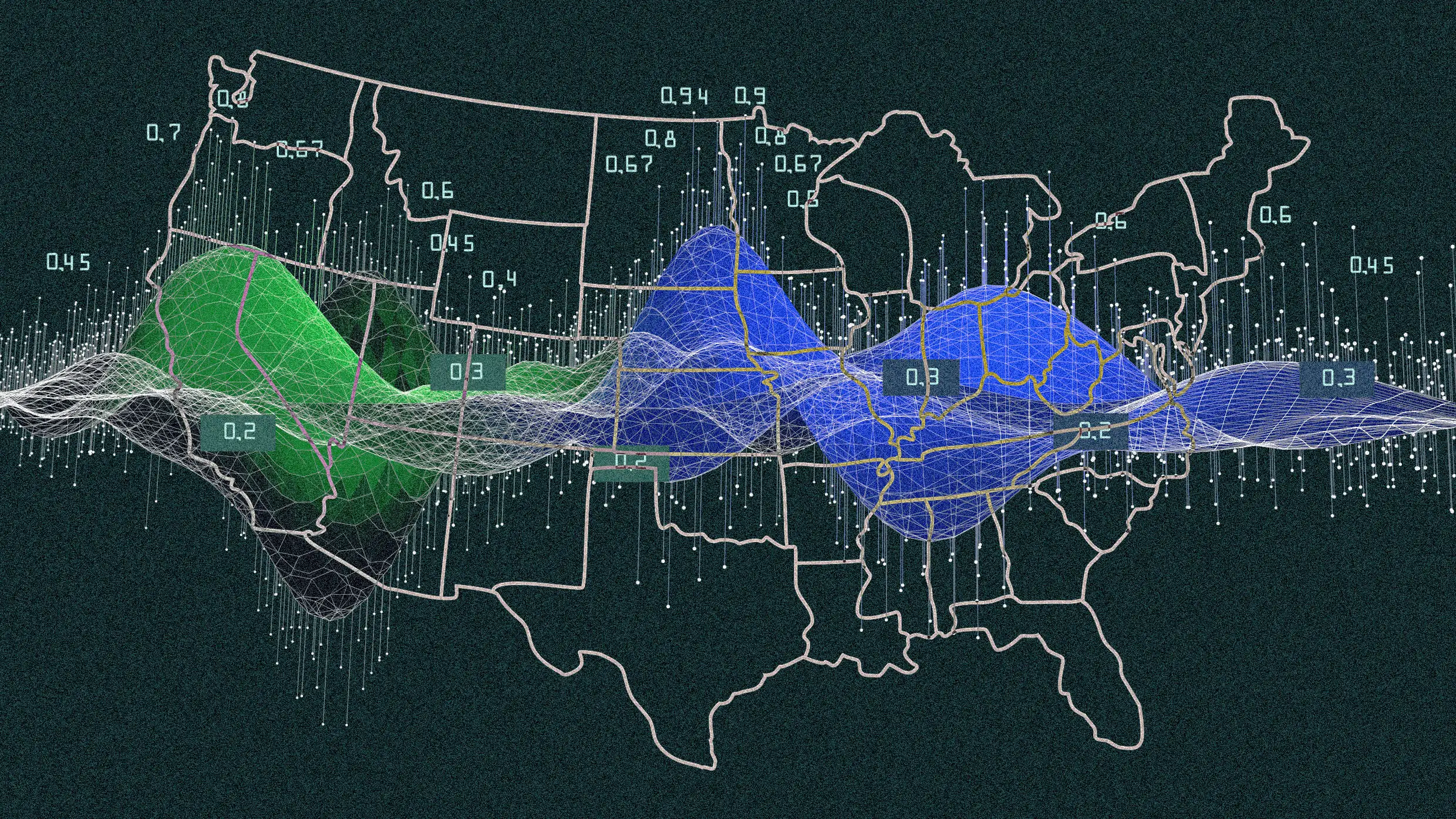
2 months agoThe X algorithm really is trying to radicalize you-researchers just proved it
X's algorithmic feed prioritizes engagement-driving content over user preferences, degrading the platform experience and pushing users toward sensationalized, polarized material.
Artificial intelligence
fromThe Verge
2 months agoWhat it's like to have an AI bot as your job interviewer
AI-led job interview systems are expanding across companies like CodeSignal and Humanly, claiming to reduce bias and increase candidate reach, though concerns about algorithmic bias and user experience remain significant.
#facial-recognition-technology
EU data protection
fromPrivacy International
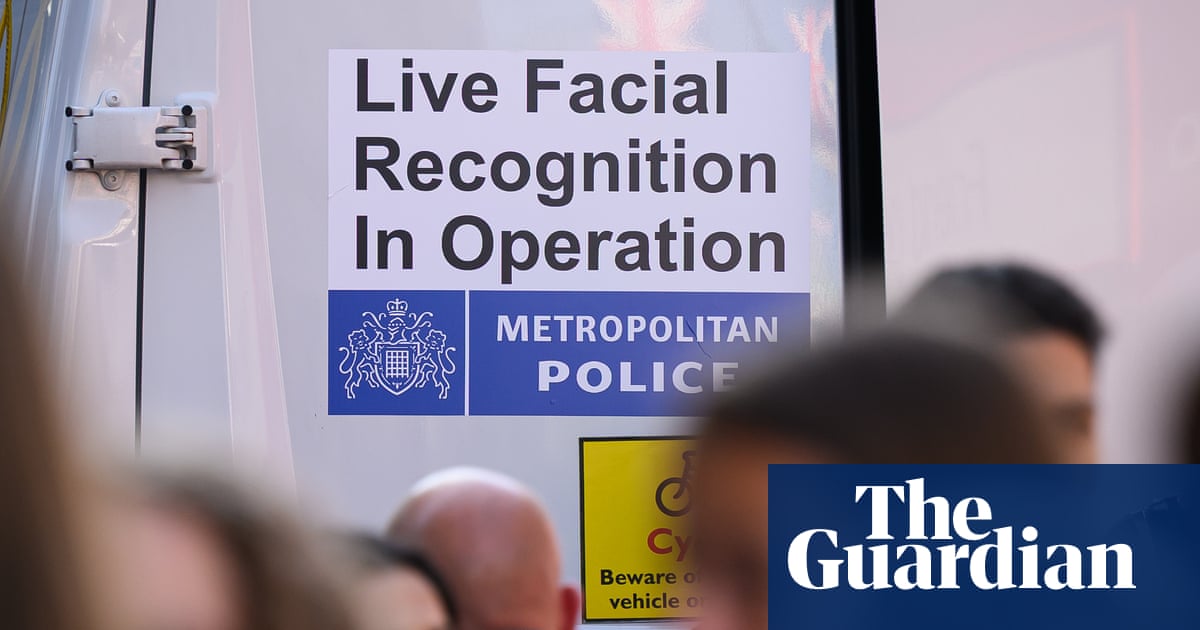
2 months agoPrivacy International's response to the UK Home Office consultation on facial recognition technology
Privacy International advocates for strict safeguards on law enforcement biometric and facial recognition technology use, including prohibitions on live facial recognition, operator-initiated systems, and protest surveillance.


Silicon Valley
fromSilicon Canals
2 months agoSouth Korea bans algorithmic hiring tools after study reveals systemic bias against rural applicants - Silicon Canals
South Korea banned algorithmic hiring tools in public and large private sectors by January 2026 after research revealed AI screening systematically disadvantaged rural applicants, older candidates, and non-elite university graduates through proxy variable bias.
Silicon Valley
fromSilicon Canals
2 months agoI tracked how a single algorithmic decision in Singapore cascades into loan denials in Lagos and job rejections in Sao Paulo - this is what digital colonialism actually looks like - Silicon Canals
Algorithmic credit-scoring models trained on Southeast Asian data fail when exported globally, perpetuating financial exclusion through culturally-specific assumptions presented as universal technology.
US politics
fromwww.theguardian.com
3 months agoSix great reads: romance fraud, pie and mash, and a road sign design genius
Algorithmic bias favors rightwing mom content; traditional businesses decline; Muslim creatives gain political influence; romance fraud causes devastating personal and financial harm.

fromHarvard Gazette
3 months agoAI is speeding into healthcare. Who should regulate it? - Harvard Gazette
Whenever medical AI handles anything with medium to high risk, you want regulation: internal self-regulation or external governmental regulation. It's mostly been internal thus far, and there are differences in how each hospital system validates, reviews, and monitors healthcare AI. When done on a hospital-by-hospital basis like this, costs to do this kind of evaluation and monitoring can be significant, which means some hospitals can do this, and some can't.
Public health
Business
fromFortune
4 months agoThe AI efficiency illusion: why cutting 1.1 million jobs will stifle, not scale, your strategy | Fortune
Widespread 2025 layoffs framed as AI-driven efficiency are hollowing out human capital, reducing productivity, and risking long-term innovation and costly algorithmic bias.


fromFuturism
5 months agoPolice Admit They're Using ChatGPT to Generate "Sketches" of Suspects
AI is no longer just identifying suspected criminals from behind a camera; now it's rendering photorealistic images of their mugs for cops to blast out on social media. Enter ChatGPT, the latest member of the Goodyear Police Department, located on the outskirts of Phoenix. New reporting by the Washington Post revealed that Goodyear cops are using the generative AI tool to pop out photos of suspects in place of pen-and-paper police sketches.
Artificial intelligence
fromNieman Lab
5 months agoThe newsroom's AI has an agenda
In October 2023, OpenAI CEO Sam Altman warned that "AI will be capable of superhuman persuasion well before it is superhuman at general intelligence, which may lead to some very strange outcomes." Two years later, we're watching those strange outcomes unfold in real time. And in 2026, they're going to collide with journalism in ways most reporters won't even notice.
Artificial intelligence
fromwww.theguardian.com
5 months agoHome Office admits facial recognition tech issue with black and Asian subjects
Ministers are facing calls for stronger safeguards on facial recognition technology after the Home Office admitted that it is more likely to incorrectly identify black and Asian people than their white counterparts on some settings. Following the latest testing conducted by the National Physical Laboratory (NPL) of the technology's application within the police national database, the Home Office said it was more likely to incorrectly include some demographic groups in its search results.
UK politics
fromAxios
5 months agoSpotify Wrapped reveals the real battle for attention in the music industry
Joe Aboud, a former major label executive and founder of 444 Sounds, says streaming platforms now see 100,000 to 120,000 new tracks uploaded every day - roughly 1.5 million a week. AI-generated tracks already make up nearly one in five uploads on some platforms, said Jeremy Morris, a media and cultural studies professor at the University of Wisconsin-Madison, raising concerns about royalty dilution and algorithmic bias.
Music
fromwww.computer.org
5 months agoThe Myth of AI Neutrality in Search Algorithms
There is a persistent myth of objectivity around AI, perhaps because people assume that once the systems are deployed, they can function without any human intervention. In reality, developers constantly tweak and refine algorithms with subjective decisions about which results are more relevant or appropriate. Moreover, the immense corpus of data that machine learning models train on can also be polluted.
Artificial intelligence
Artificial intelligence
fromArchDaily
5 months agoThe Role of Responsible AI in Transforming Architectural Practices and Design
AI will automate repetitive, data-heavy architectural tasks, enabling architects to focus on creativity while raising ethical, legal, bias, and intellectual-property challenges requiring clear guidelines.
Artificial intelligence
fromNature
5 months agoPanels of peers are needed to gauge AI's trustworthiness - experts are not enough
Expert-only evaluation methods like the 'Sunstein test' risk concentrating AI trustworthiness judgments among elites, thereby reinforcing existing power structures shaping AI objectives.
fromGadget Review
6 months agoGoogle's AI Lie Detector: Marketing Myths vs. Scientific Reality
Your next video call might include an invisible polygraph examiner. Google and competitors are racing to deploy AI systems that promise to catch lies through voice patterns, facial microexpressions, and language analysis. The pitch sounds compelling: revolutionary accuracy in detecting deception, finally replacing those notoriously unreliable polygraph machines. The reality is more sobering. Peer-reviewed research consistently shows multimodal AI lie detection maxing out around 75-79% accuracy in controlled settings-impressive, but nowhere near the bold marketing claims circulating in tech circles.
Artificial intelligence
fromMedCity News
7 months agoHow Are Healthcare Leaders Tackling Automation Bias? - MedCity News
One of the biggest examples in the commercial consumer industry is GPS maps. Once those were introduced, when you study cognitive performance, people would lose spatial knowledge and spatial memory in cities that they're not familiar with - just by relying on GPS systems. And we're starting to see some of those things with AI in healthcare," Amarasingham explained.
Health
fromApaonline
7 months agoBlack Boxes, Clear Duties: Owning AI Risk When the Guardrails Are Gone
As AI adoption accelerates, the consequences-intended and not-are becoming harder to ignore. From biased algorithms to opaque decision-making and chatbot misinformation, companies are increasingly exposed to legal, reputational, and ethical risks. And with the rollback of federal regulation, many are navigating this landscape with fewer guardrails. But fewer guardrails doesn't mean fewer consequences-only that the burden of responsibility shifts more squarely onto the businesses deploying these systems. Legal, financial, and reputational risks haven't disappeared; they've just moved upstream.
philosophy

Artificial intelligence
fromBusiness Insider
8 months agoA former US Department of Labor investigator explains why your resume may never reach a hiring manager
AI-powered applicant-tracking systems can perpetuate and amplify biased screening, excluding qualified candidates; job seekers should mirror job descriptions and understand legal rights.
fromPsychology Today
8 months agoWhy Curious Kids Become Unhackable Adults
They grew up with algorithms and screens mediating their social interactions, dating relationships, and now their learning. And that's why they desperately need to learn how to be human. The most alarming pattern I've researched and observed isn't AI dependency. It's the parroting effect. AI systems are trained on statistical pattern matching, serving up widely represented viewpoints that harbor implicit bias. Without explicit instructions, they default to whatever keeps users engaged - just like social media algorithms that have already polarized our society.
Artificial intelligence
Artificial intelligence
fromNature
8 months agoAI chatbots are already biasing research - we must establish guidelines for their use now
AI answer engines extract far more publisher content while reducing referral traffic and amplifying biases in sourced information, harming knowledge discovery and equity.
Privacy technologies
fromFuturism
8 months agoPolice Arrest Man With Almost Zero Resemblance to Actual Perpetrator Because AI Told Them To
Extensive NYPD surveillance spending and facial recognition use resulted in a wrongful arrest, exposing reliability and bias risks in law enforcement AI and identification practices.
fromChalkbeat
8 months agoHow this AI tool is helping students become better writers
Like many students, Nicole Acevedo has come to rely on artificial intelligence. The 15-year-old recently used it to help write her speech for her quinciñera. When she waits too long on completing homework, Nicole admitted, she leans on the technology so she can hand assignments in on time. Her school, located in the Greenpoint/Williamsburg area of Brooklyn, has also embraced artificial intelligence. But it is hoping to harness it in ways that supplement learning rather than supplant it.
New York City
[ Load more ]