London
fromwww.bbc.com
1 day agoBird's-eye view of London seen in 280-year-old map
An 18th-century map of London by John Rocque is being republished, showcasing detailed views of the city and its surroundings.
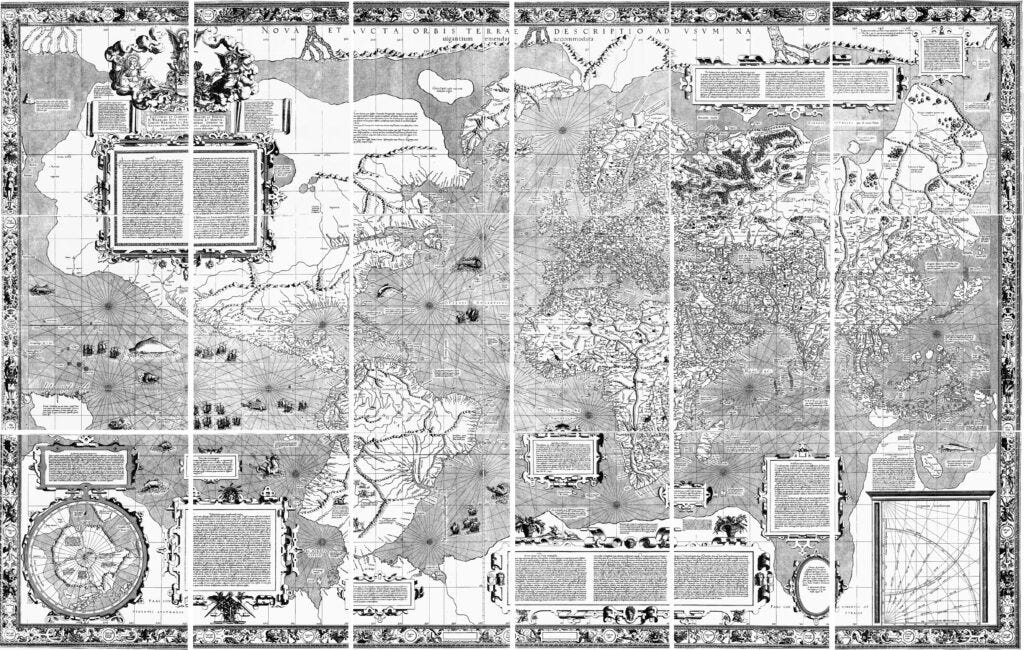
In The Last of Earth, she points her writerly compass towards the mountains of mid-19th-century Tibet a region then closed off to European imperialists to meditate on the chequered history of colonial exploration, cartography and the impermanence of human existence. It's in the nature of white men to believe they own the world, that no door should be shut to them.
In the language of climate, water is dialectical: It is overabundance and scarcity; needed as well as dreaded. Psychologically, it can represent the unconscious, the maternal, the prelapsarian. Artist Deborah Jack disrupts any viewer's impulse to find recreational soothing in the ocean's tidal landscape, as she openly critiques the legitimacy of cartography, empire, and ecological adaptation. Jack's six-channel video installation "a sea desalts, creeping in the collapse... in the expanse...a rhizome looks for reason... whispers an elegy instead"
If you did this, you were probably struck by one thing above all else: Greenland is huge. Freaking huge. It looks about twice as big as the U.S., roughly as big as North America and Central America combined. And despite the public waffling between saying we need it for its military or natural resource offerings, this is probably the reason Trump wants it.
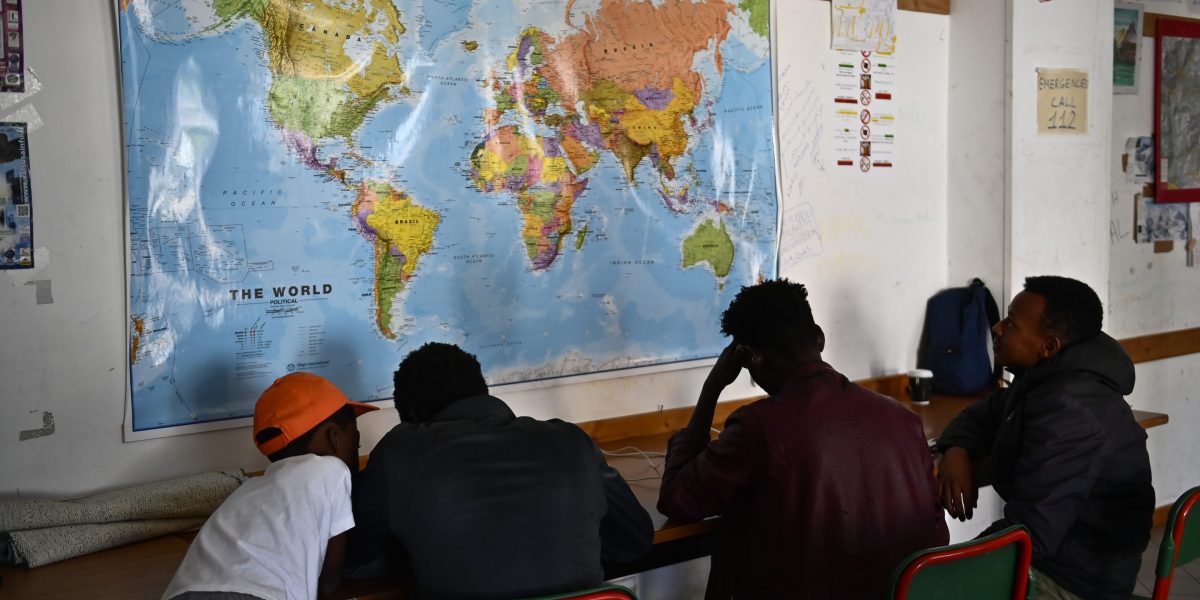
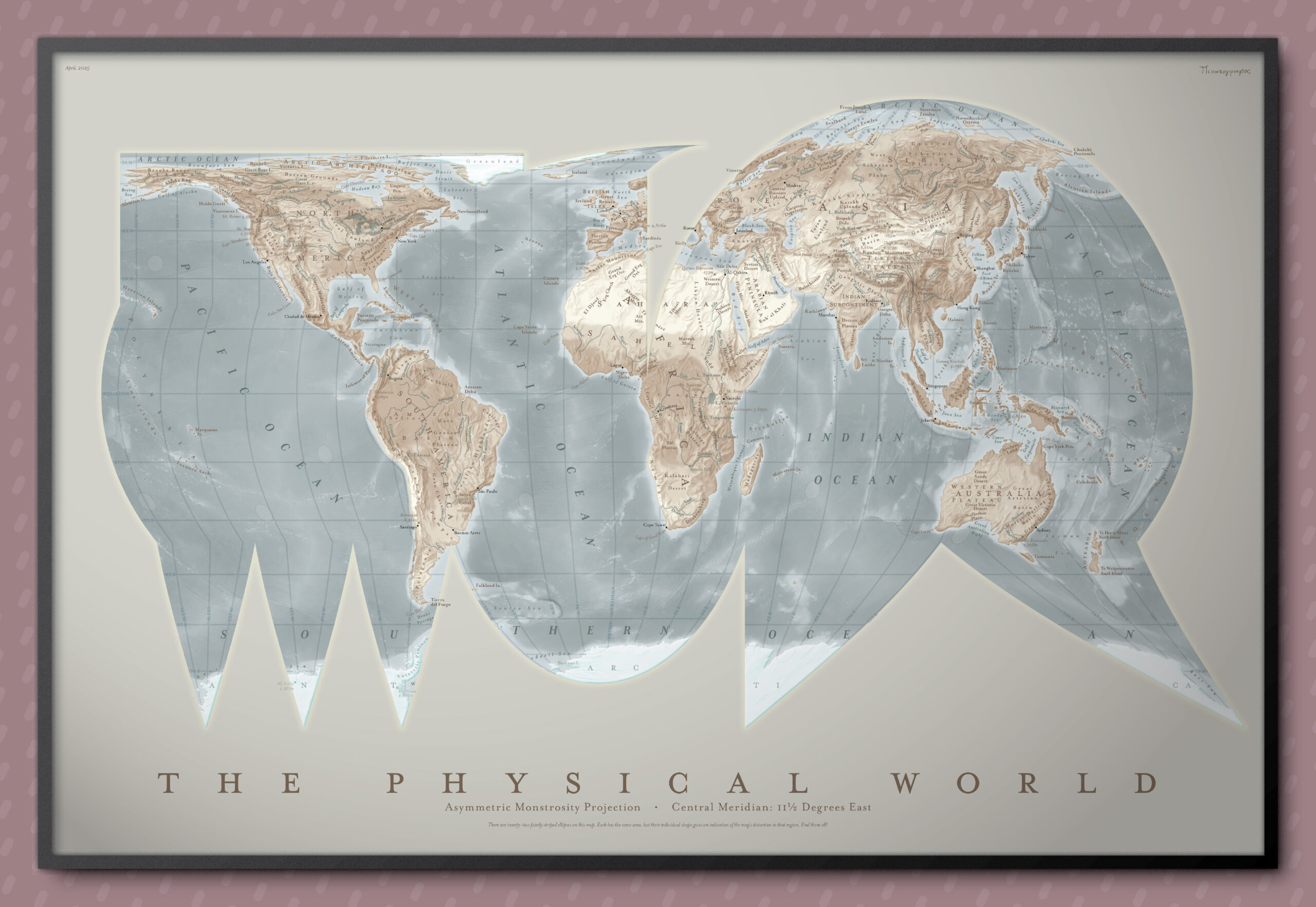
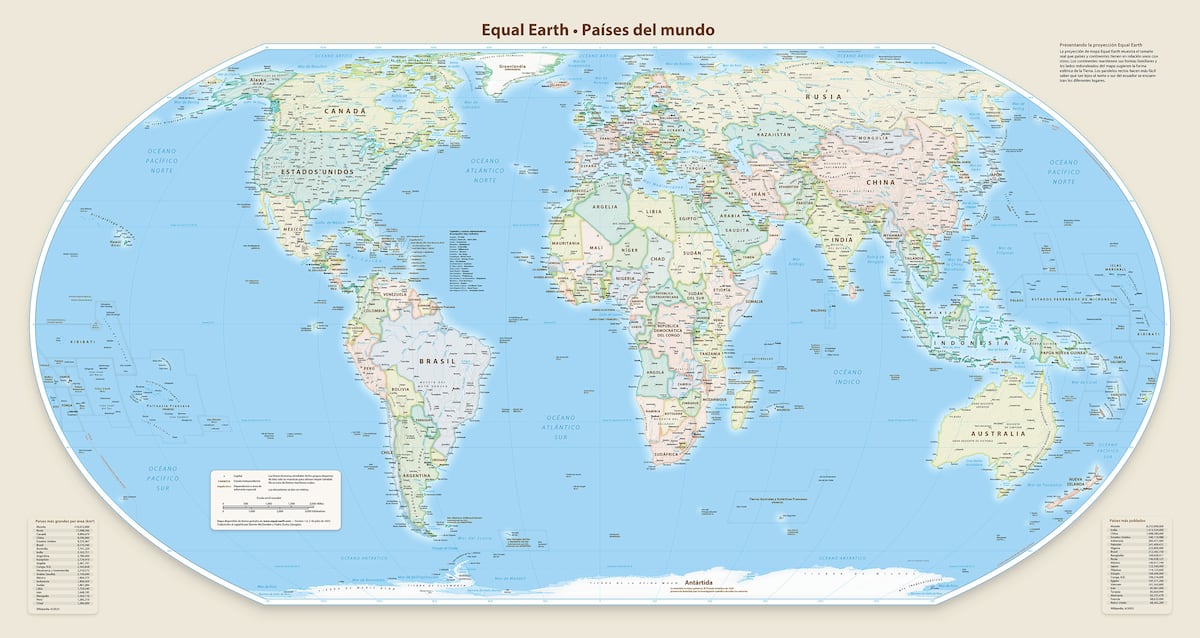
The Mercator map distorts continent sizes, enlarging areas near the poles while shrinking Africa and South America. This false representation influences media, education, and policy.