Germany news
fromThe Atlantic
4 days agoThe Real Cost of Withdrawing U.S. Troops From Germany
Removing 5,000 U.S. troops from Germany signals a broader weakening of the shared West social contract underpinning Western stability.
The escalation in the Middle East doesn't just affect the region itself. The Iranian regime has repeatedly demonstrated in the past that it carries out its terror beyond its own borders. Iranian sleeper cells in Europe cannot be ruled out, and these embedded cells could be activated as part of Tehran's retaliation strategy.
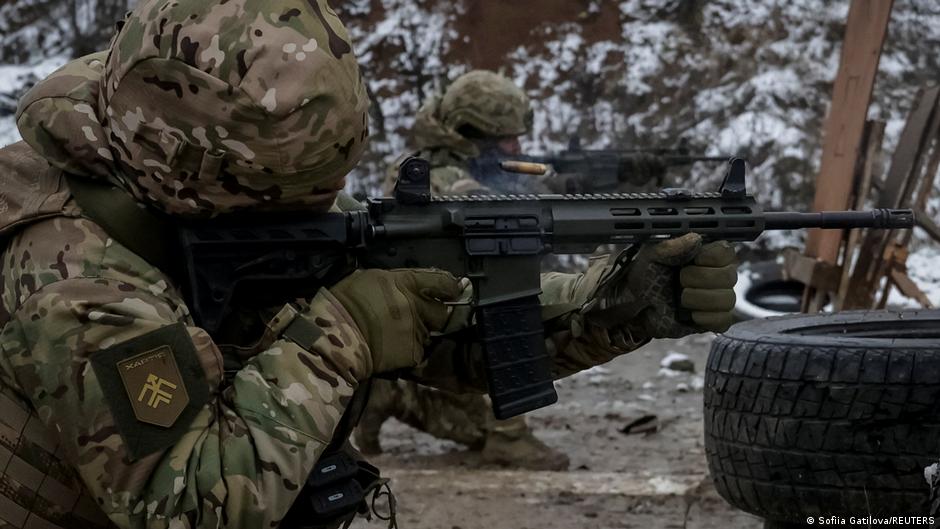
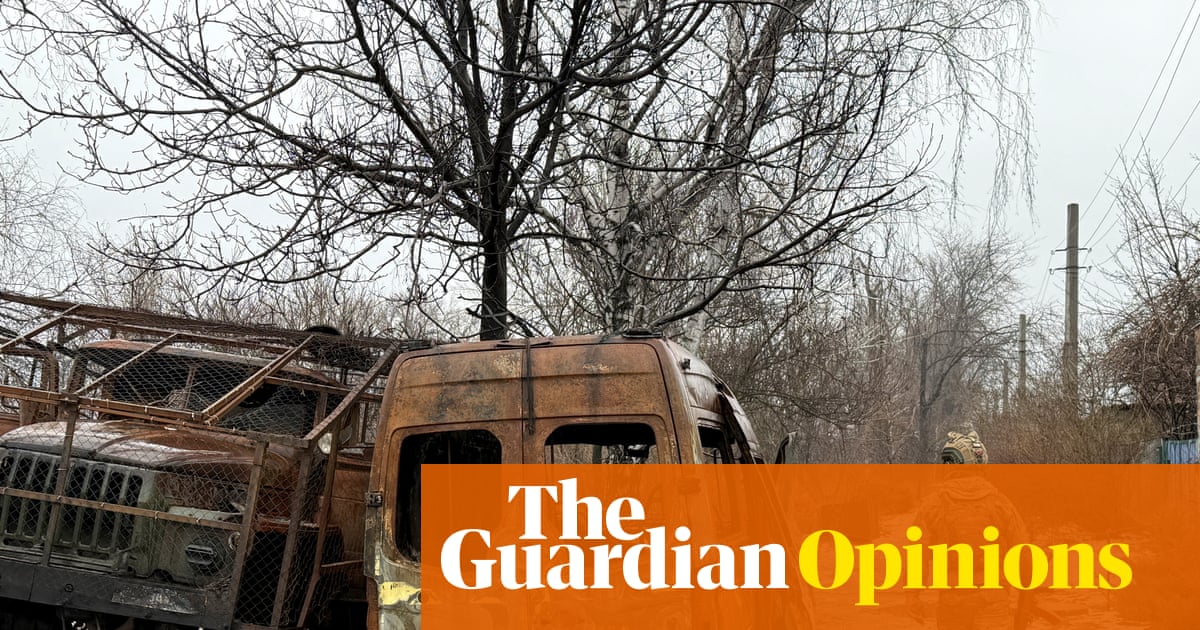
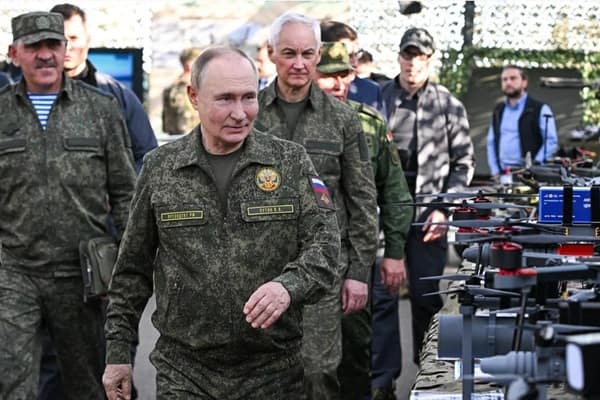
Five European nations France, Poland, Germany, the United Kingdom, and Italy (the E5 nations) have launched a new programme to develop low-cost air defence systems and autonomous drones. Announced on Friday, the initiative leverages Ukrainian expertise from four years of war against Russia, forming part of wider European efforts to bolster border security, including a proposed "drone wall" to detect and intercept drones violating airspace. Both Moscow and Kyiv possess advanced drone warfare capabilities, with battlefield innovations from the conflict reshaping modern tactics.
France has offered to 'extend' its nuclear umbrella to other European countries without actually 'sharing' it. How can that work, asks John Lichfield. This will be the subject of a speech by President Emmanuel Macron in the next two weeks which could be one of the most important speeches in European history. Or a damp squib. Macron has promised to update France's nuclear doctrine. In other words, he will revisit the rules which have governed use of France's force de frappe or nuclear deterrent
Russian military intelligence is recruiting young people online to carry out arson and other acts of sabotage across Europe. In this week's issue, Joshua Yaffa reports on the Kremlin's secret campaign to undermine the West's support for Ukraine-and breaks down how "single-use agents" are being deployed across the Continent. Some of their missions are small-putting up posters, or picking up a package-while others involve physical attacks, for example setting off explosives and starting fires.
In January 2018, when Donald Trump was in the second year of his first term as US president, Angela Merkel, in her 13th year as German chancellor, gave a gloomy speech at the World Economic Forum in Davos. She opened her remarks with a warning from Europe's past. Politicians had sleep-walked into the first world war. As the number of surviving eyewitnesses to the second world war dwindled, she added, subsequent generations would have to prove they understood the fragility of peace.
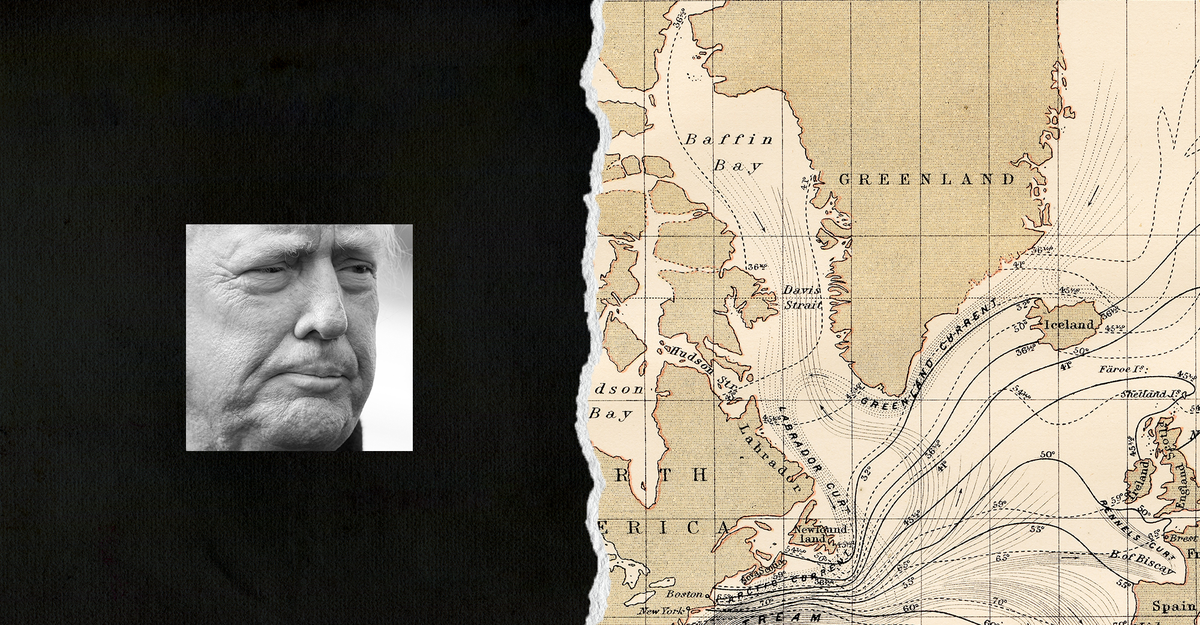
Donald Trump is threatening to take over Greenland, the territory of a Nato ally, possibly by military force, as Vladimir Putin is trying to take over Ukraine. Even if he doesn't actually do it, this is a new era: a post-western world of illiberal international disorder. The task now for liberal democracies in general, and Europe in particular, is twofold: to see this world as it is and to work out what the hell we're going to do about it.
Donald Trump just carried out an external coup in Venezuela and kidnapped the president of that country-and he's only getting started. In the wake of this violent assertion of American dominance over the Western Hemisphere, Trump has started threatening other neighboring countries, promising interventions in Mexico, Cuba, and Colombia. And, most pertinently for Europe, he's renewing his vows to annex Greenland.
Most Europe-centric alternative proposals approach the issue from a traditional hard security perspective, not fully severing Nato ties but prioritising EU-led decision-making, often starting as a Nato-plus complement before evolving into a standalone entity. Such thinking also generally proposes major increases in military spending, an EU-based command structure independent of the US, integrated European military capabilities, a shared European nuclear deterrent, and binding mutual defence commitments.
Germany has officially inaugurated the initial components of its advanced Arrow 3 missile defence system, acquired from Israel. The strategic move aims to bolster the nation's aerial protection following Russia's invasion of Ukraine. This sophisticated system, engineered to intercept long-range ballistic missiles, saw its first operational elements unveiled on Wednesday at the Schonewalde base, south of Berlin. Further installations are planned across the country.
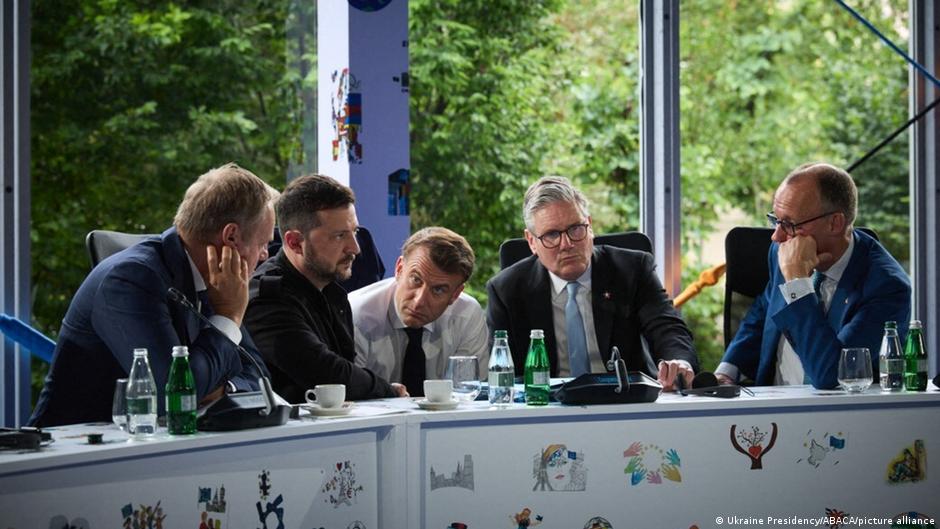
When Polish Prime Minister Donald Tusk, German Chancellor Friedrich Merz and their two cabinets meet in Berlin for intergovernmental consultations on Monday, the intention is that talks will focus above all on present-day problems and future solutions, especially in relation to Russia's war in Ukraine, NATO's eastern flank, migration, security and infrastructure. But the heavy burden of the past will be the ever-present elephant in the room.
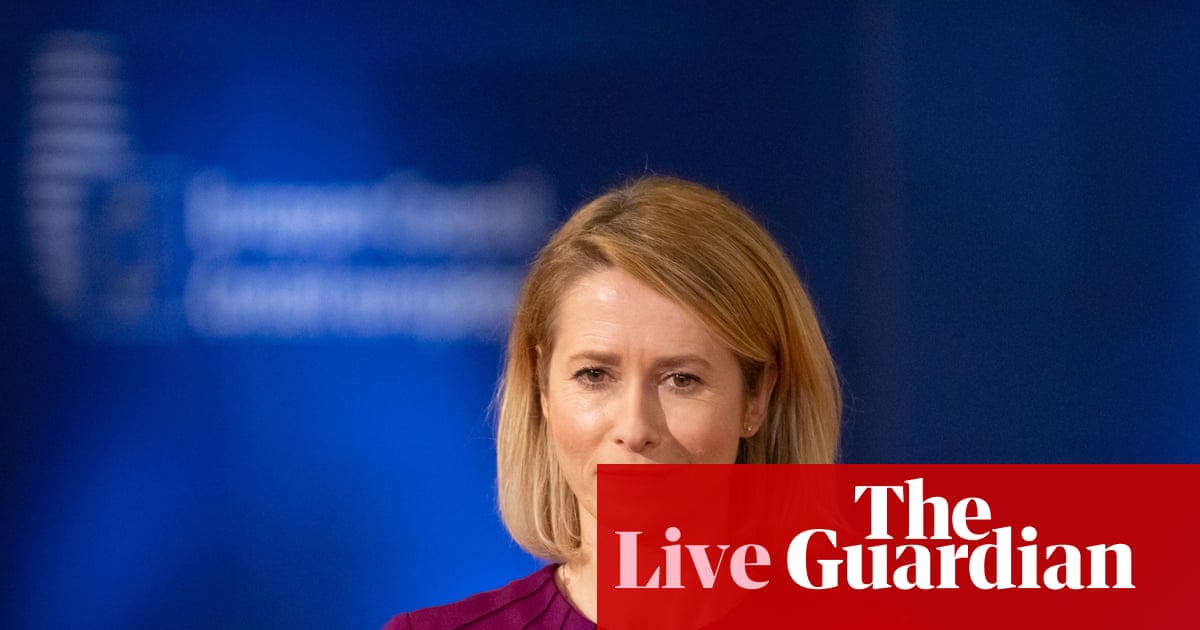
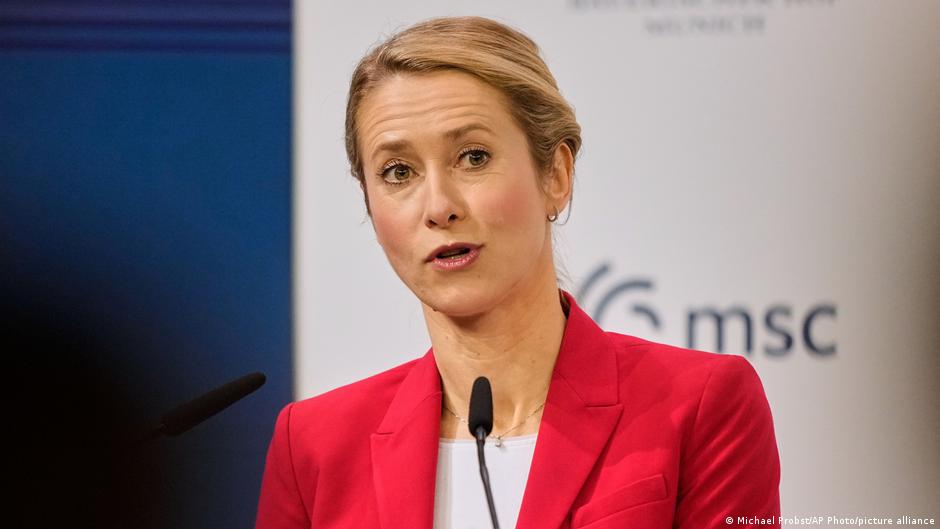
occasions. Kallas, the former Estonian prime minister, was not just indulging in some form of historical mathematics. She was seeking to make a point that lies at the heart of the dispute between the US and Europe over Ukraine's future, a dispute that has again revealed the chasm across the Atlantic about the true nature of the Russian regime.
But the so-called 28-point plan pushed by the Trump administration has alarmed Ukraine and its European allies, who see it as a capitulation to Russian demands, particularly territorial concessions and limits on the size of Ukraine's military. Trump had set a November 27 deadline for Ukraine to accept his peace plan, but after pushback from European leaders, Washington appears to have softened its stance, with Trump saying the plan did not represent a final offer for Ukraine.