#home-staging
#home-staging
[ follow ]
#interior-design #real-estate #real-estate-marketing #decluttering #real-estate-sales #lighting #curb-appeal






Remodel
fromRedfin | Real Estate Tips for Home Buying, Selling & More
2 months ago5 Home Staging Tips on a Budget: Affordable Ways to Make Your House Shine for Buyers
Budget-friendly home staging through decluttering, deep cleaning, and minor updates creates strong first impressions and can accelerate home sales without expensive renovations.
fromApartment Therapy
2 months ago5 Basically Free, Tiny Tweaks That Will Transform Your Bathroom
Because it's so important to the function of my home, it's become an afterthought when it comes to making it beautiful. All I need is a functional, clean space - it doesn't need to feel as relaxing as my bedroom or living room. Plus, it's not like I have the time (or money!) to invest in transforming the bathroom space by hiring a stager or designer. But I'm interested in making each space feel a little more beautiful these days.
Renovation
Real estate
fromBoston.com
2 months agoIn Greater Boston, real estate is a 'beauty contest' of virtual and traditional staging
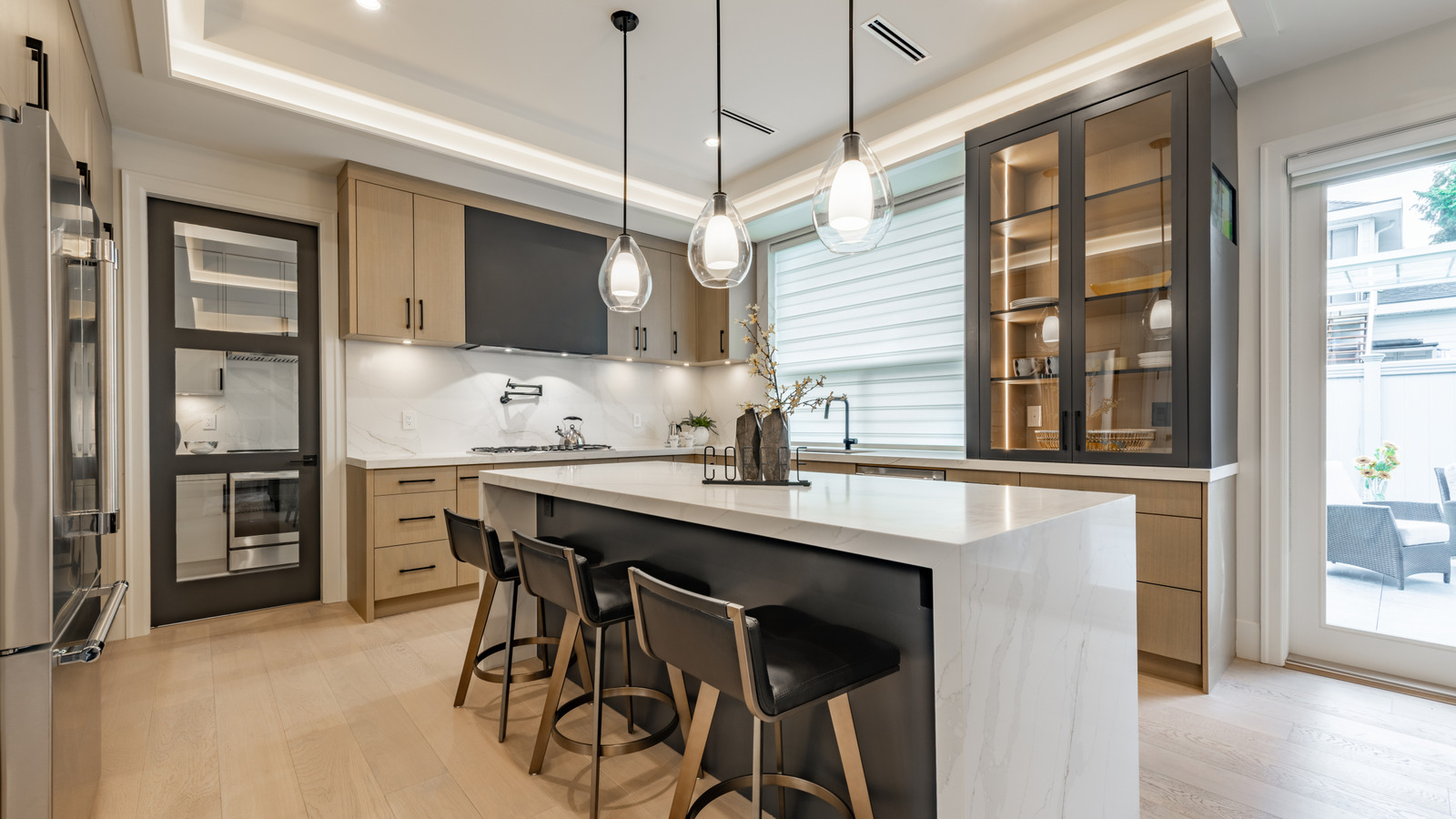
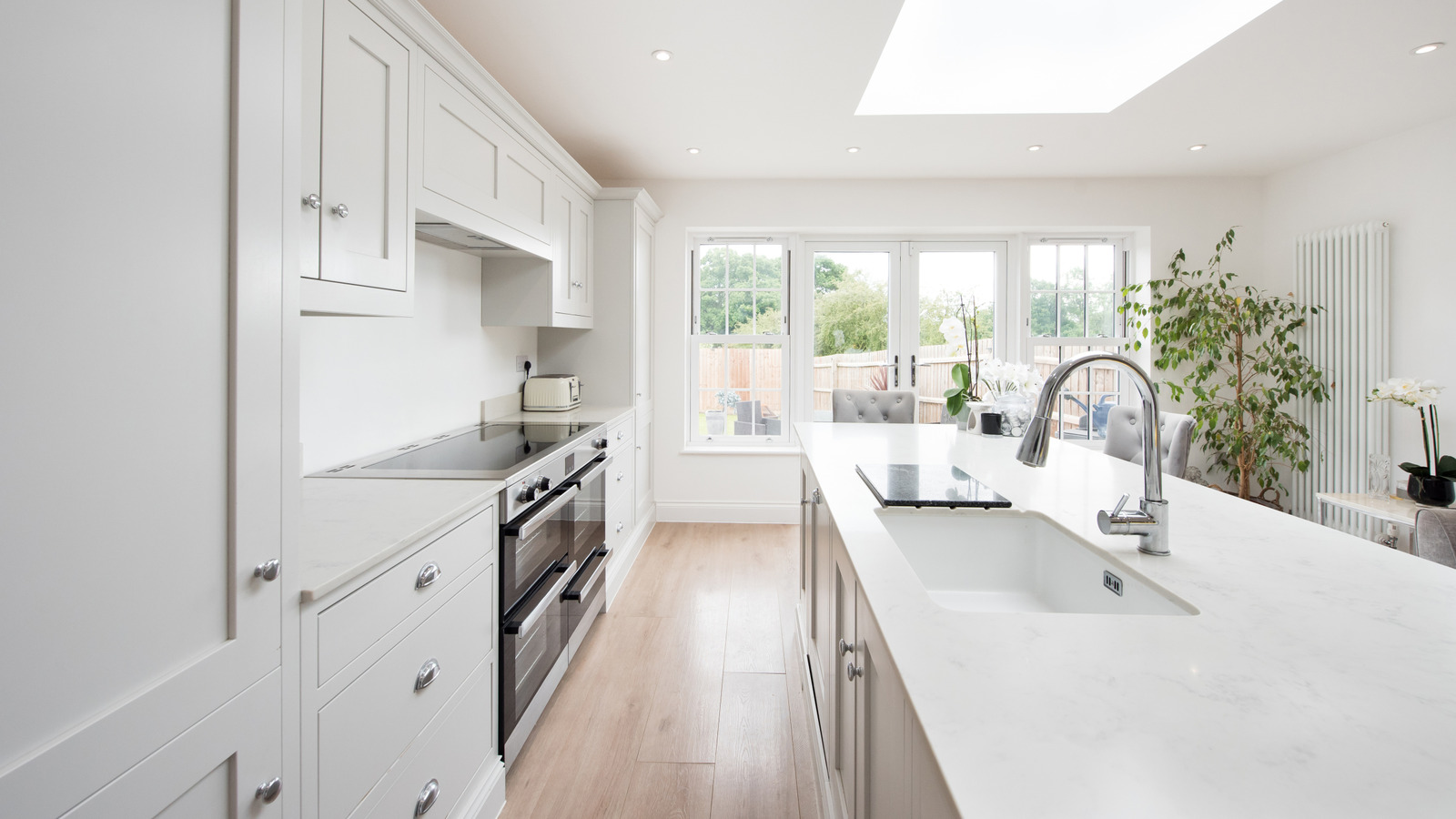
Professional listing photos and strategic home staging significantly influence online buyer interest, potentially increasing offers, reducing time on market, and helping buyers envision homes.

Remodel
fromApartment Therapy
3 months agoSee How a Stager Transformed This Cramped Brooklyn Loft (It Looks Like It Doubled in Size!)
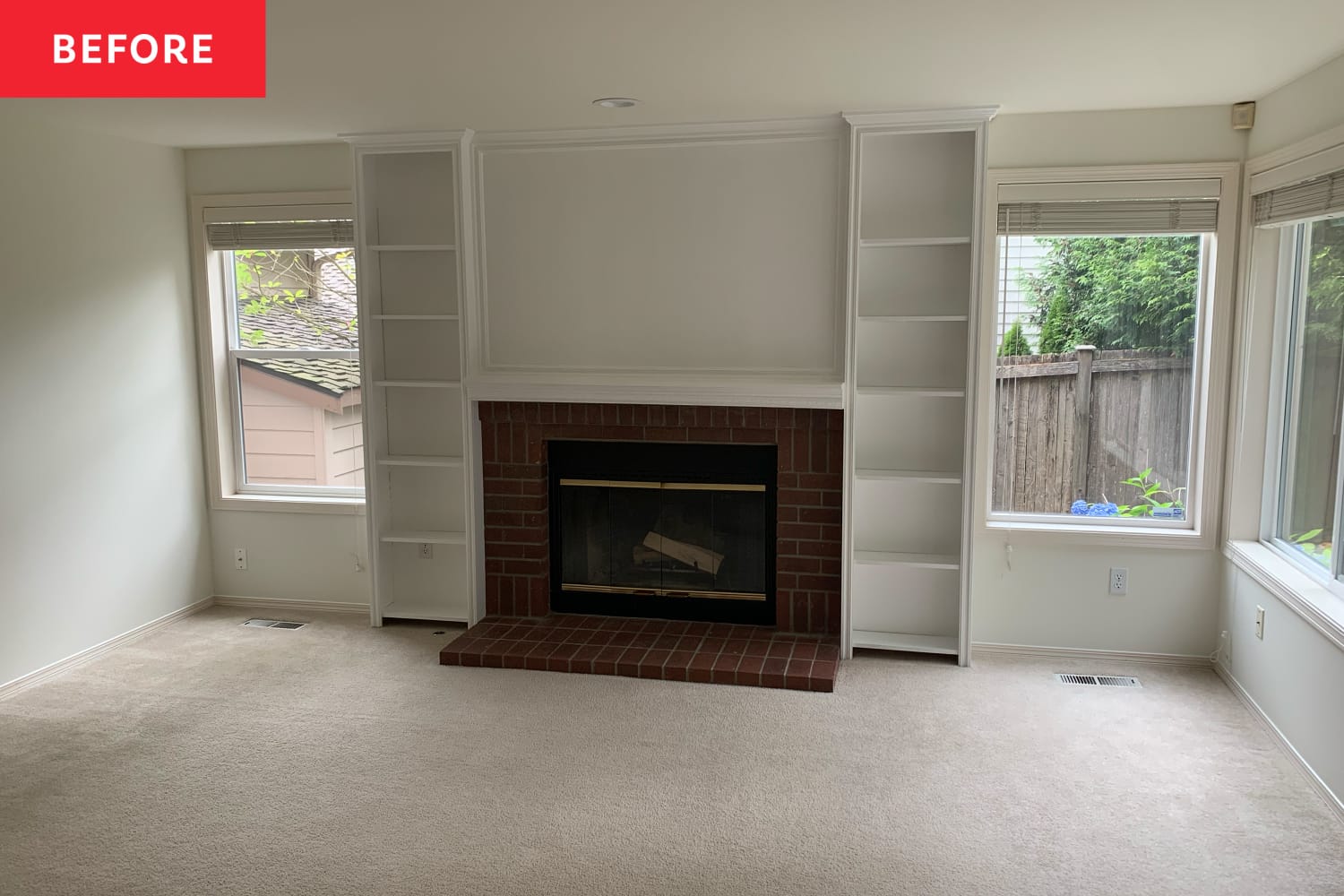
A targeted refresh—white paint, decluttering, opened floorplan, and minimal furnishings—transformed a cramped family loft into a brighter, more spacious, marketable home.
fromApartment Therapy
4 months agoSee How a Stager Swapped Out "Older, Darker Furniture" to Create a "Clean, Airy" Home
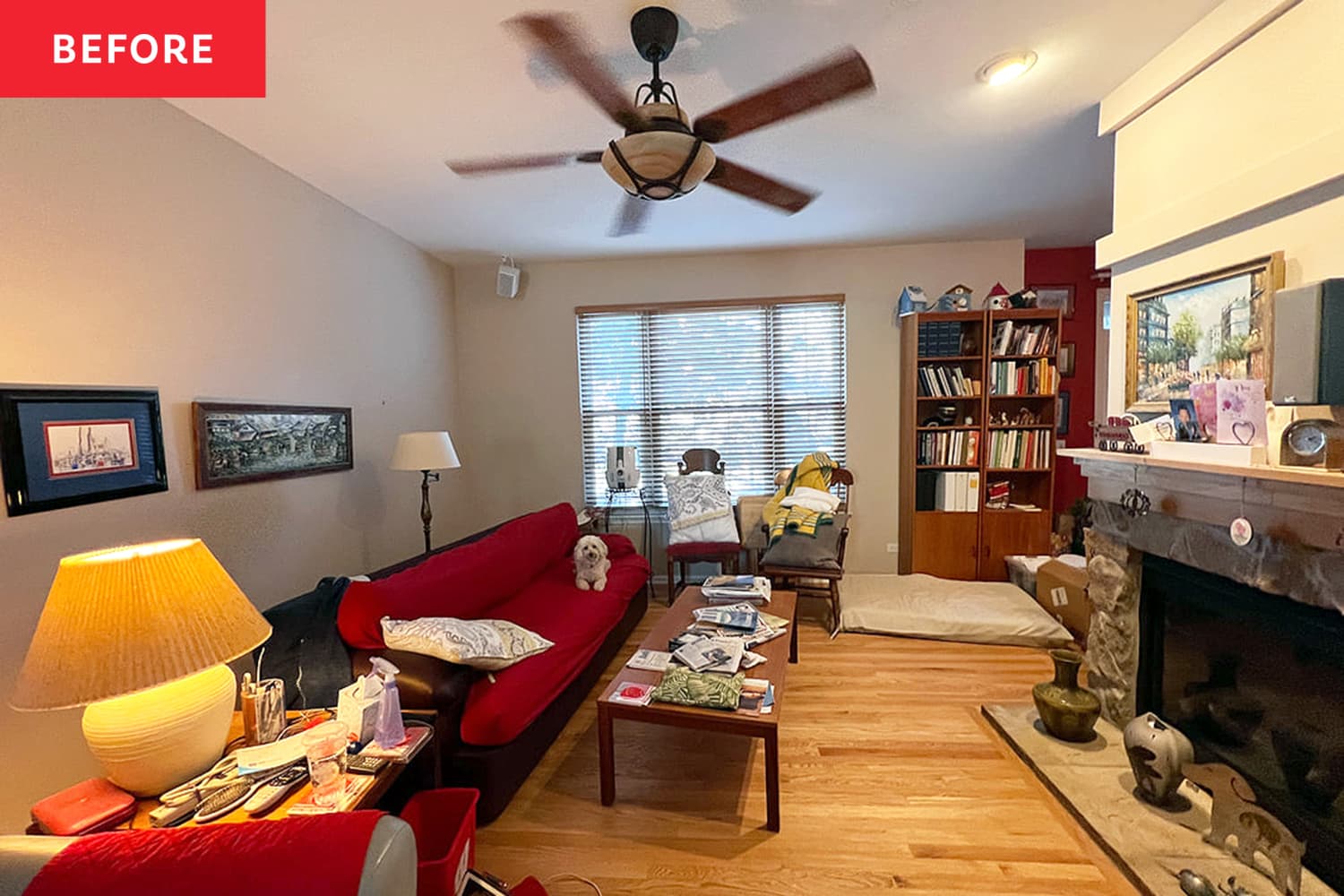
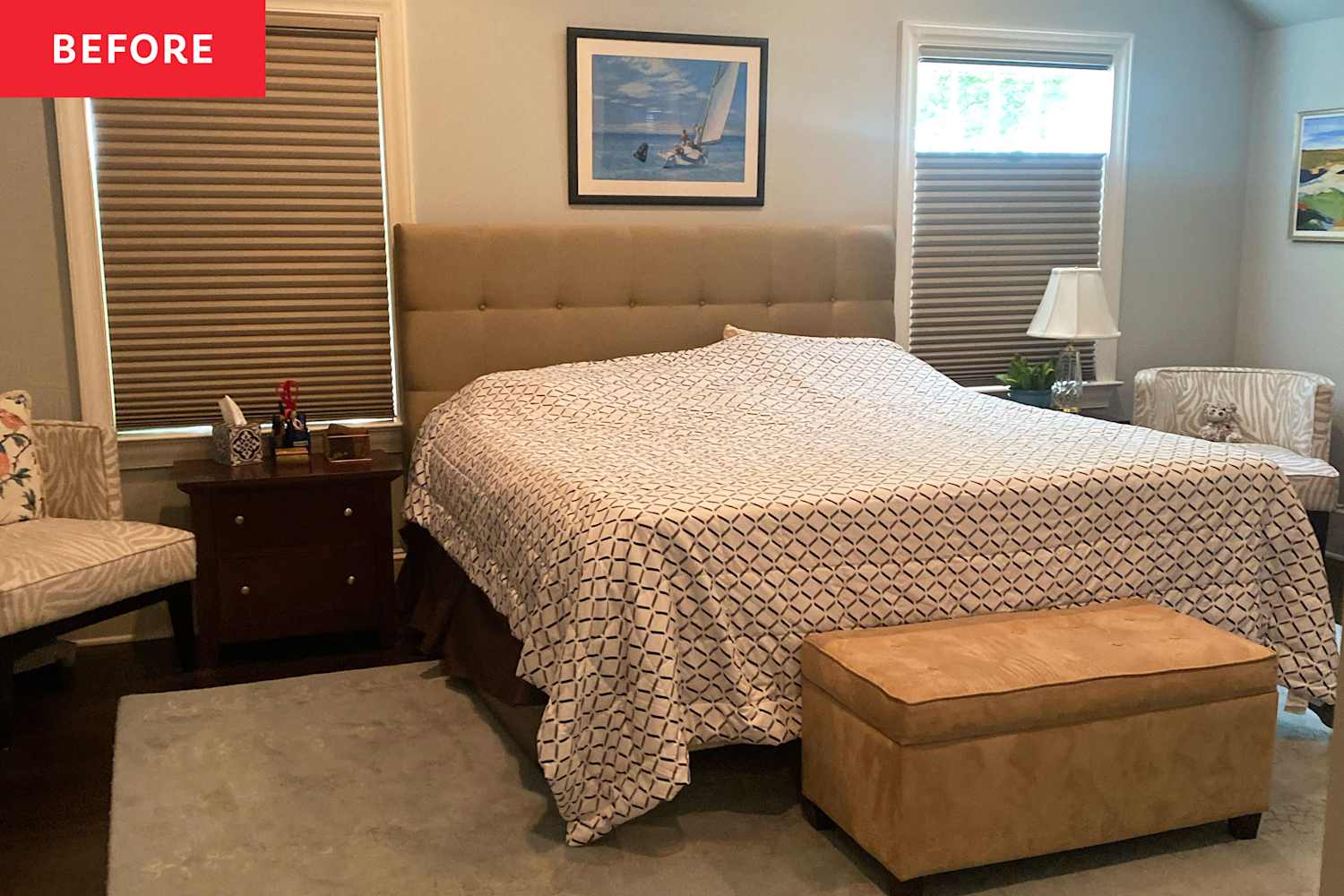
One recent staging project by Global Real Estate Advisor Fiona Dogan of Julia B. Fee Sotheby's International Realty highlights the power of staging with minor swaps. In one recent project, she showed the power of brightening up spaces with light furniture edits, and revealed how strategically chosen decor can bring out the very best of every room. Lighting of all kinds was added.
Real estate

fromApartment Therapy
5 months agoSee How a Stager Transformed These "Unusually Shaped Rooms" into Stunning Spaces
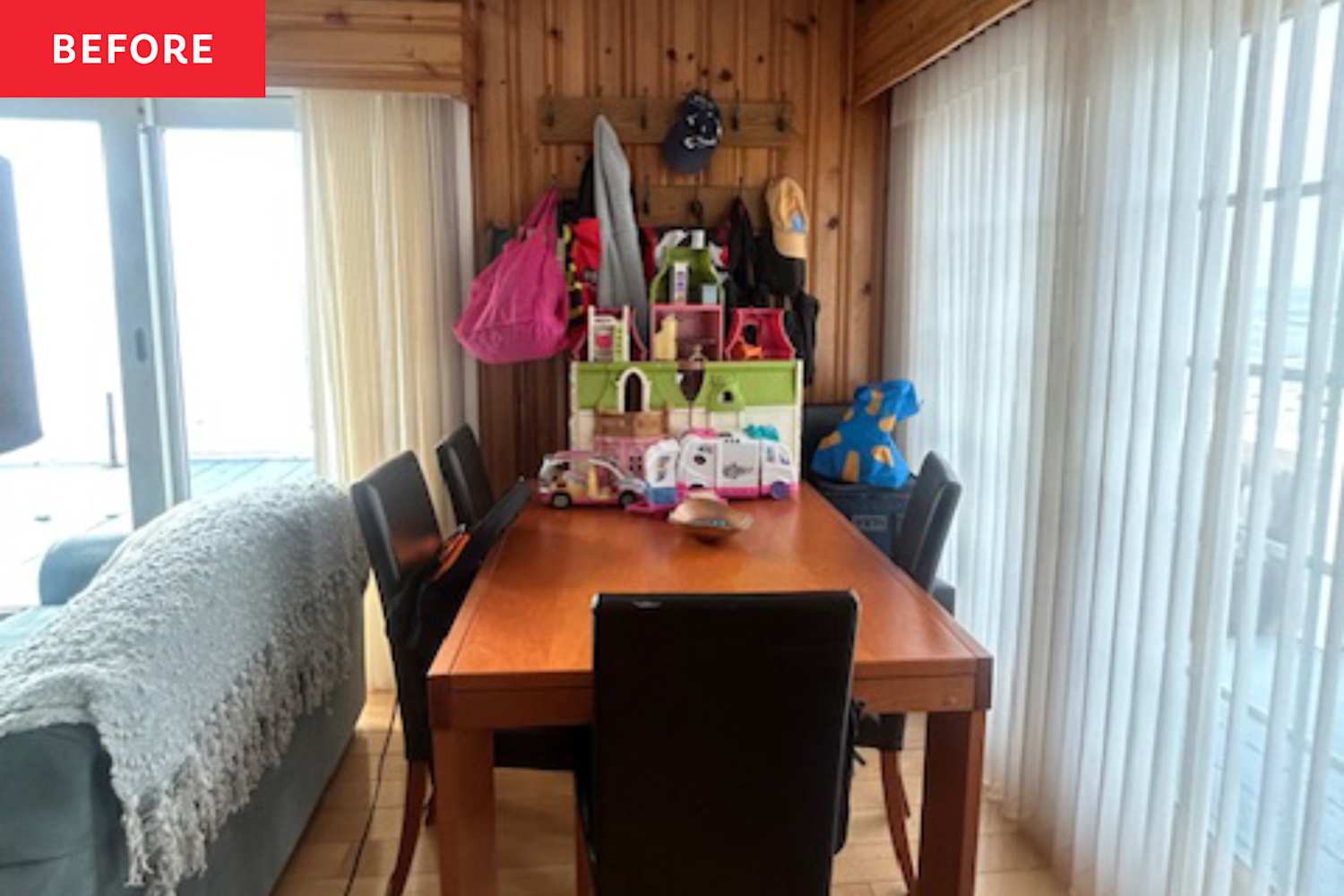
By the time Jason Saft, an award-winning home stager and founder of New York city-based Staged To Sell Home, was called in to work his magic on this unit in The Clebourne, an Upper West Side co-op, it had been sitting on the market for an astounding 779 days. Saft describes how he "fell for it instantly," even though the walls were scuffed and the air was stale.
Renovation
fromApartment Therapy
5 months agoSee How a Stager Transformed a "Chaotic" Living Room into a Bright, Functional Space
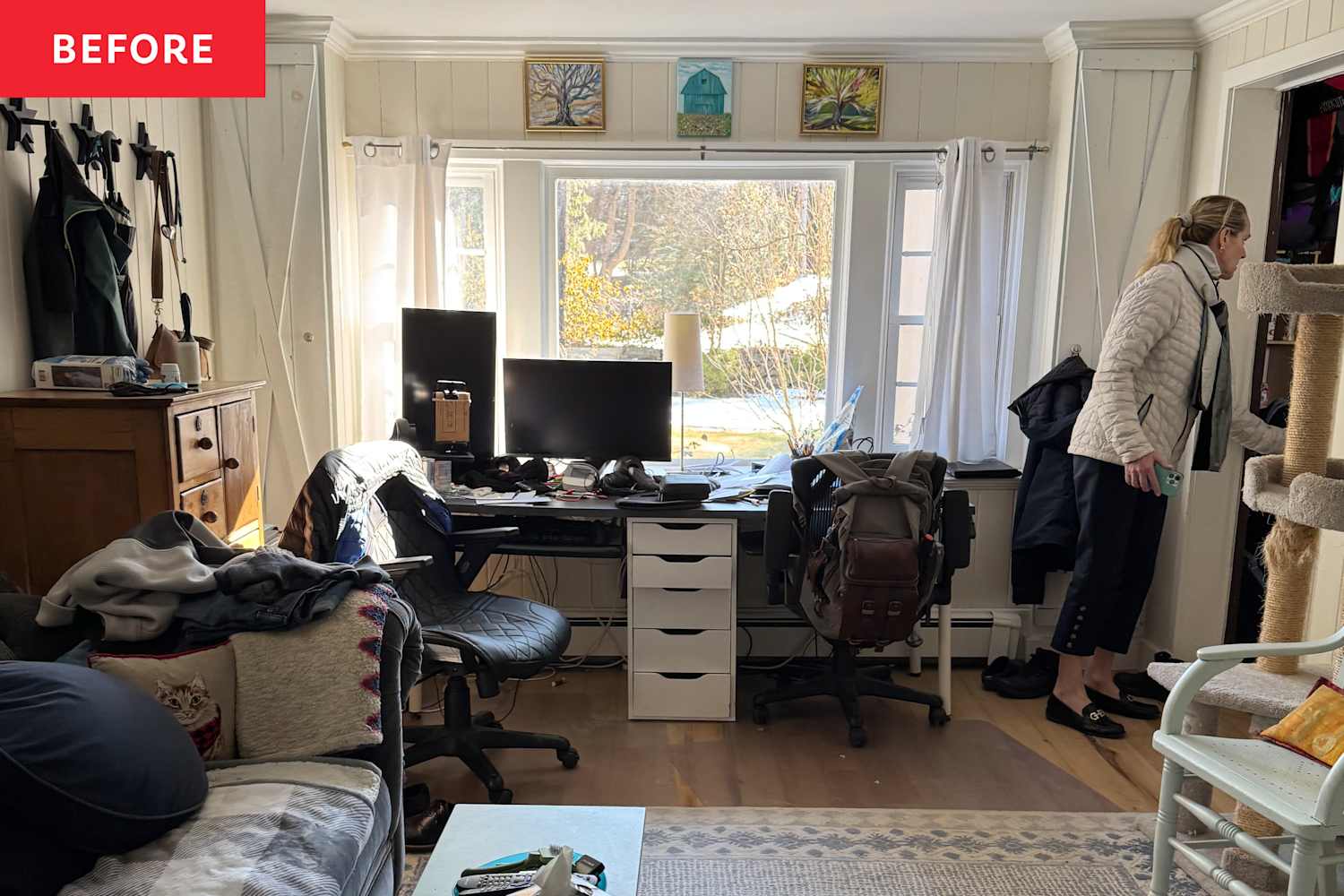
Staging a home can often conjure up images of a total transformation: A homeowner's belongings removed to make way for different furniture and replaced artwork. This kind of staging (known as vacant staging, as the home is typically sitting vacant) is a great way to demonstrate a home's potential and appeal to buyers with brand-new and trendy furnishings. But it's also typically more expensive, as the stager will decorate the space from scratch, hire movers, and possibly buy new pieces if they don't have furniture appropriate for the project.
Real estate

fromRedfin | Real Estate Tips for Home Buying, Selling & More
5 months agoHow to Depersonalize Your Home
When you're getting ready to , depersonalizing your home is one of the simplest ways to draw in more buyers. At its core, depersonalizing means removing or minimizing the items that reflect your life - things like family photos, collections, bold décor, or anything highly specific to your taste. The goal: help buyers picture life in the home, not yours. It's a tried-and-true selling strategy because it reduces distractions, appeals to a wider range of buyers, and helps people form an emotional connection with the home
Real estate
fromCurbed
5 months agoWhen a Seller's Decor Scares Away Buyers
But horrible décor is no longer something many buyers know how to shrug off - or are willing to, now that luxury pricing's come to even the lowest-end apartments. In most parts of Manhattan and Brooklyn, where $1 million gets you a one-, maybe a two-bedroom, and often one with an awkward layout or unfortunate view, staging has gone from a rare practice deployed mainly at new developments and super-high-end homes to something even many rental brokers consider de rigueur.
New York City
Chicago
fromApartment Therapy
5 months agoSee How a Stager Transformed a Virtually Staged Home into One Buyers Actually Wanted
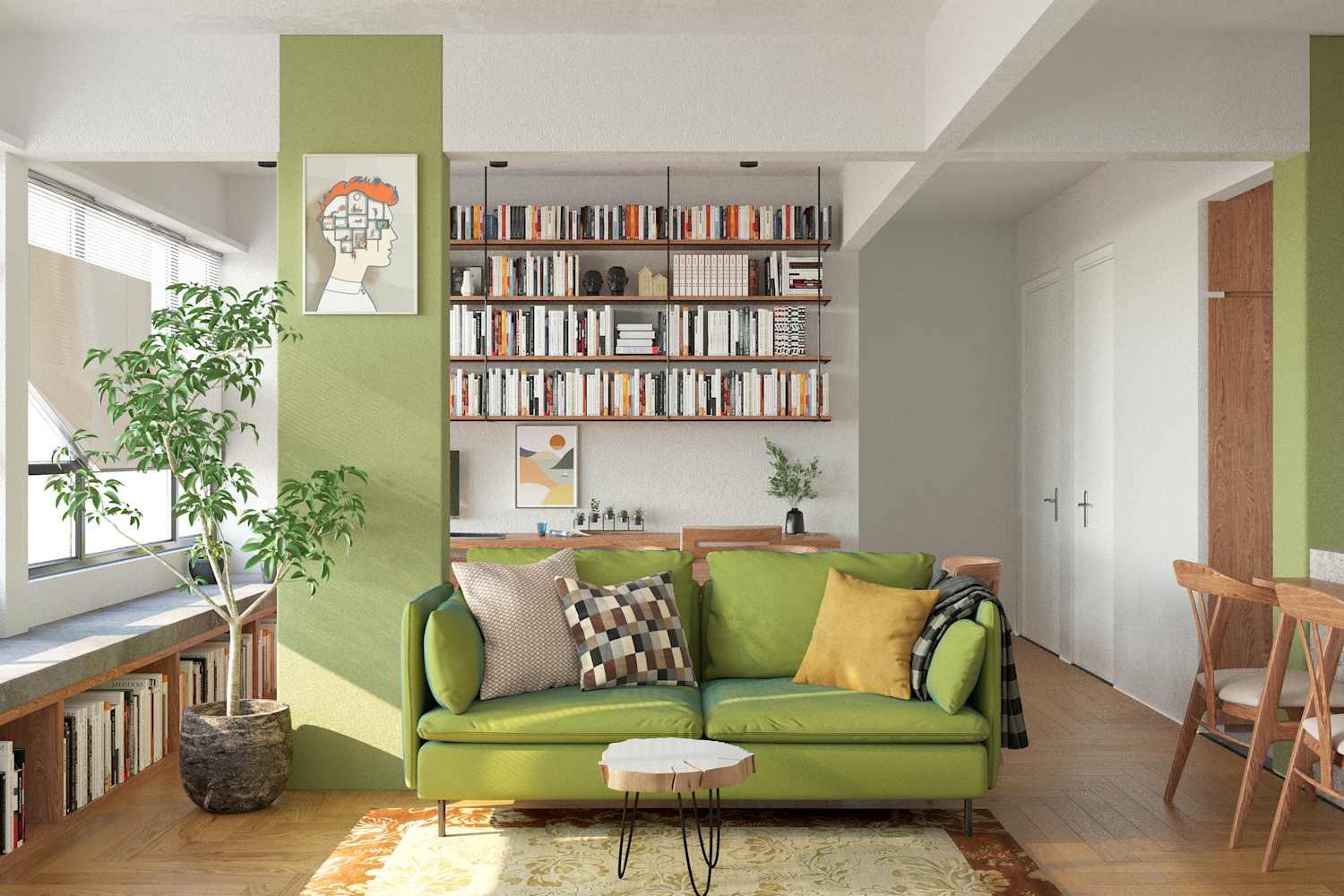
Physical staging converted a virtually staged, slow-selling Chicago listing into a fast contract by clearly showing functional living and entertaining spaces that buyers could envision.

Real estate
fromRedfin | Real Estate Tips for Home Buying, Selling & More
7 months agoVirtual House Tour Tips for Winning Over Buyers Through the Screen
Virtual house tours let buyers explore properties remotely via interactive videos or panoramas, requiring staging, repairs, and curb appeal to attract qualified offers.
Real estate
fromRedfin | Real Estate Tips for Home Buying, Selling & More
8 months agoHow to Get Multiple Offers on a House: 2025 Guide
Strategic pricing, professional staging, and broad visual marketing can generate multiple offers and bidding wars even as buyers gain leverage in the 2025 housing market.
fromApartment Therapy
8 months agoThis Stager's Trick for Finding Cheap Decor Is Brilliant, and I'm Totally Stealing It
Staging a home can be very expensive. According to a recent estimate from Home Advisor, a typical home seller can expect to pay somewhere between $832 and nearly $3,000 to stage their home. And it gets pricey for the stager, too. Typically the stager purchases and owns the furniture and decor that they use in projects. It's not uncommon for stagers to try to save money by shopping at secondhand stores or yard sales.
Real estate
Boston real estate
fromBoston Condos For Sale Ford Realty
8 months agoBoston Condo For Sale - Start Planning Now For The Fall Market Boston Condos For Sale Ford Realty
Boston condo market shows stable year-over-year prices and volume, with strong buyer interest and healthy activity expected heading into the Fall selling season.
Real estate
fromRedfin | Real Estate Tips for Home Buying, Selling & More
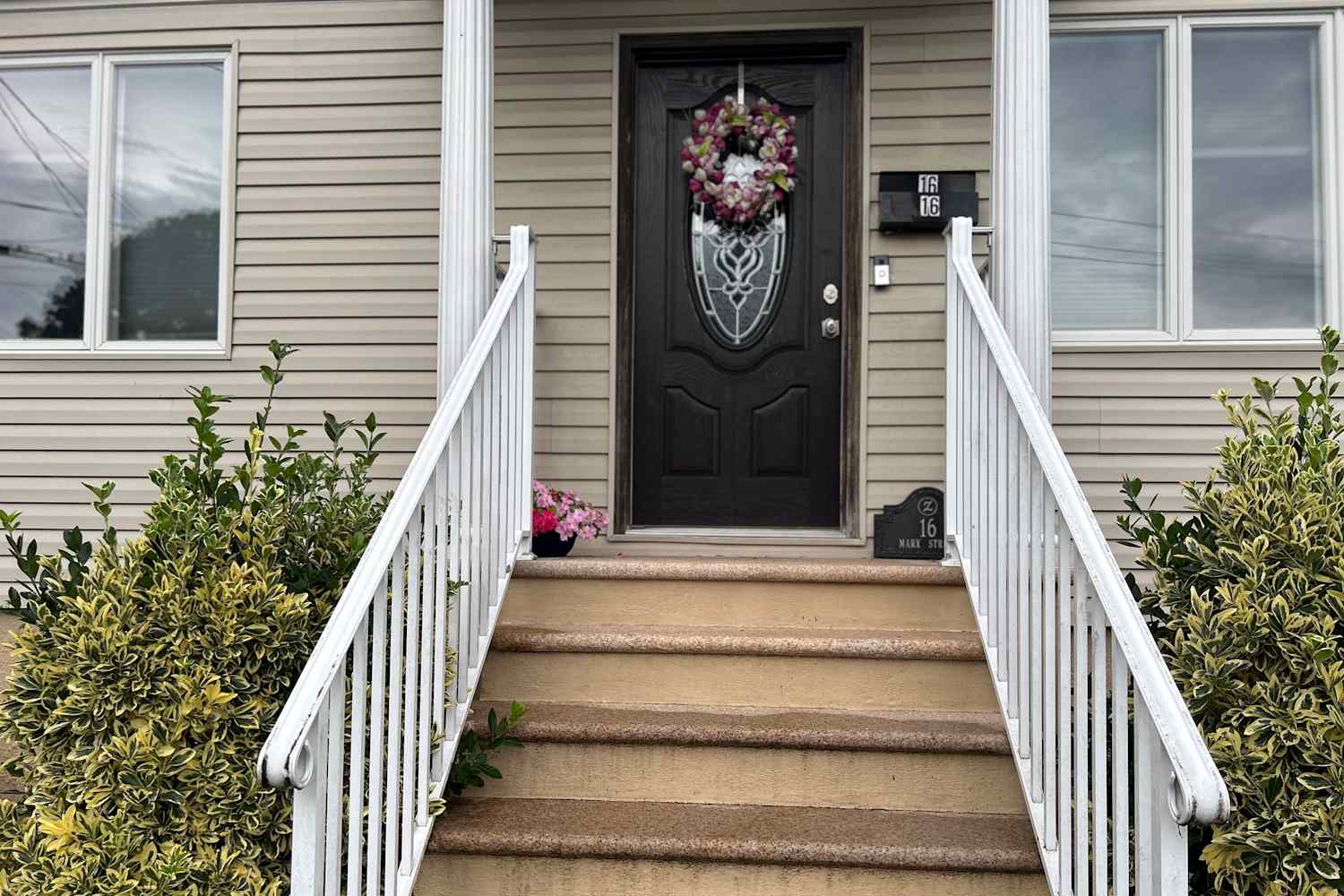
8 months agoRelisting Your Home: What You Need to Know Before Trying Again
Before relisting, identify why the home didn't sell, make necessary repairs and updates, adjust price and marketing, and improve photos and listing copy to attract buyers.

Real estate
fromRedfin | Real Estate Tips for Home Buying, Selling & More
8 months agoReal Estate Open House Ideas That Make Your Listing Stand Out
Use enhanced curb appeal, strategic staging, detailed information, sensory touches, and creative outreach (QR codes, live streams, relaxation zones) to attract open house buyers.
Design
fromApartment Therapy
8 months agoSee How a Stager Transformed a Blank-Slate Bedroom into a Dreamy Blue Oasis (It's So Serene!)
Staging a furnished rental bedroom with neutral color drenching and practical furniture creates a comfortable, turnkey living space that attracts a wide range of renters.
[ Load more ]