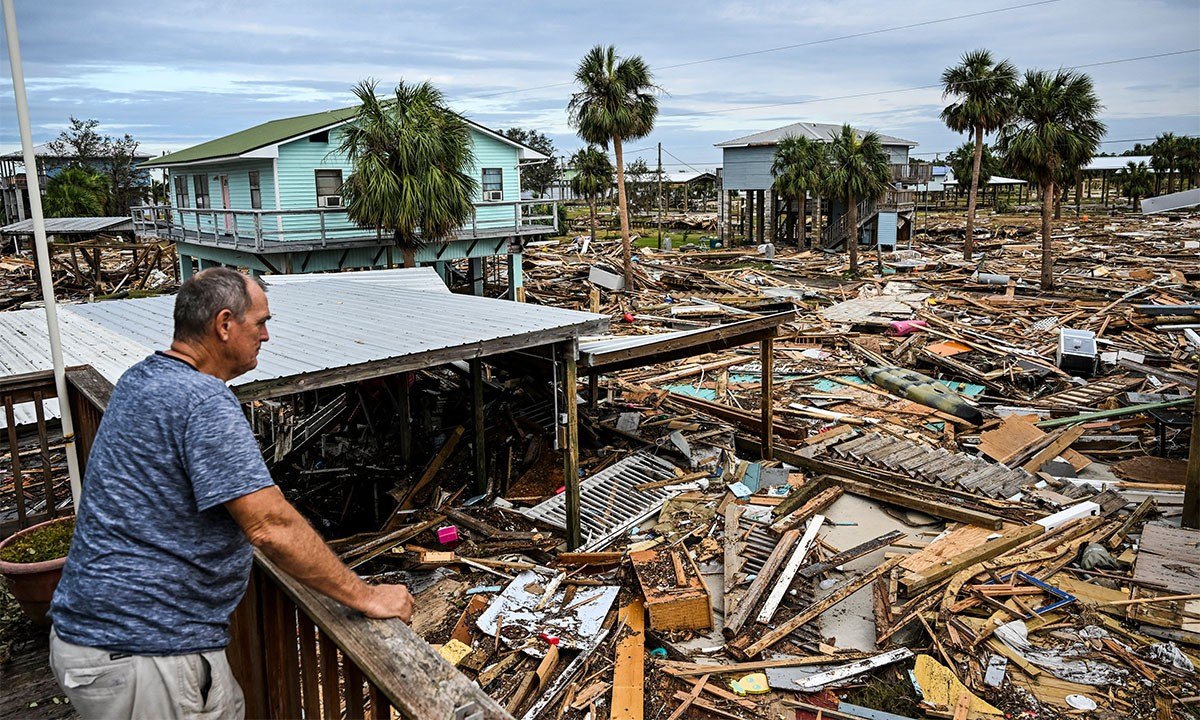
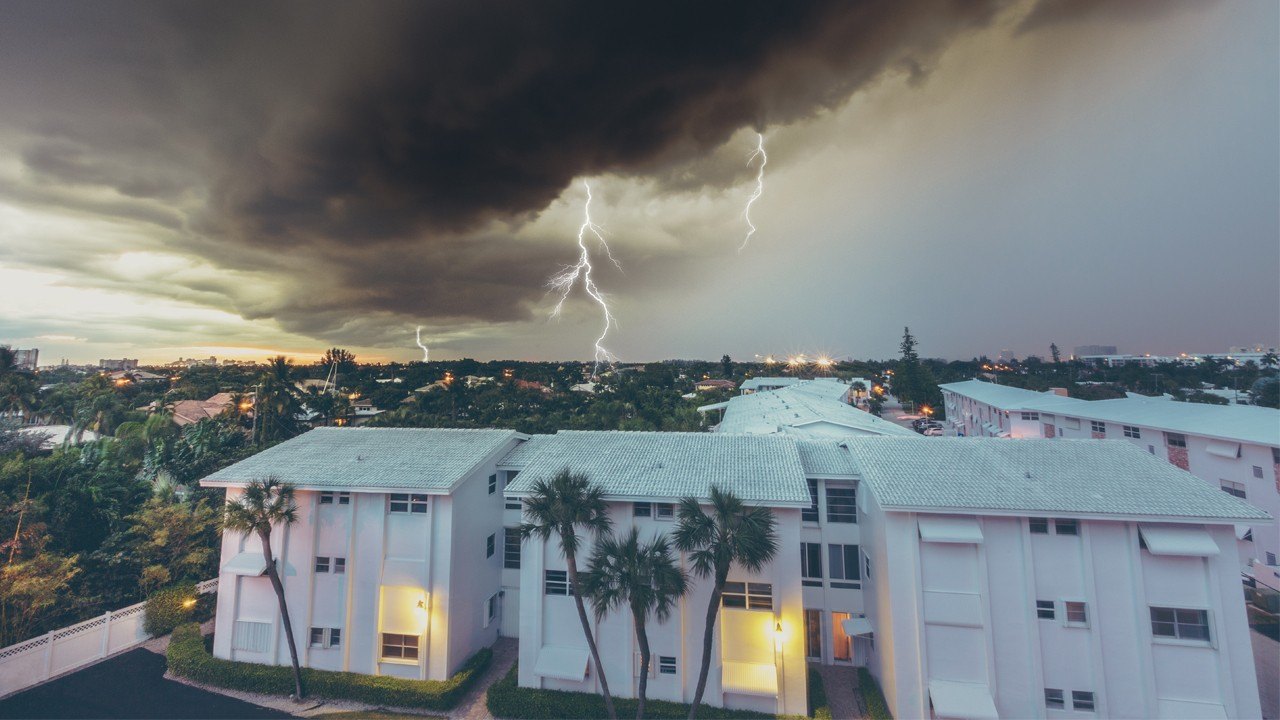
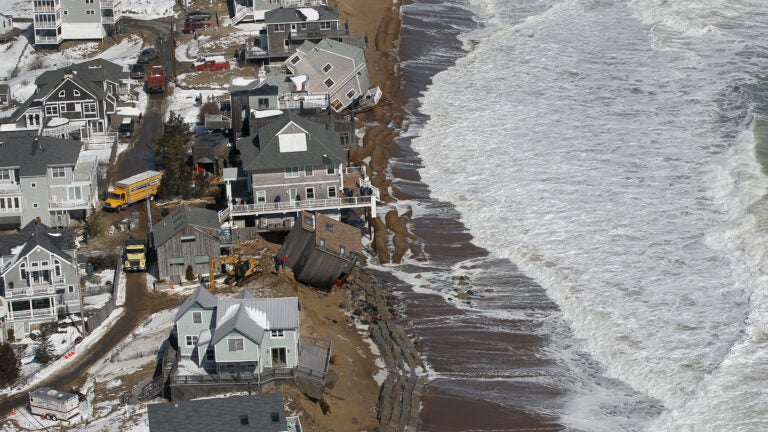
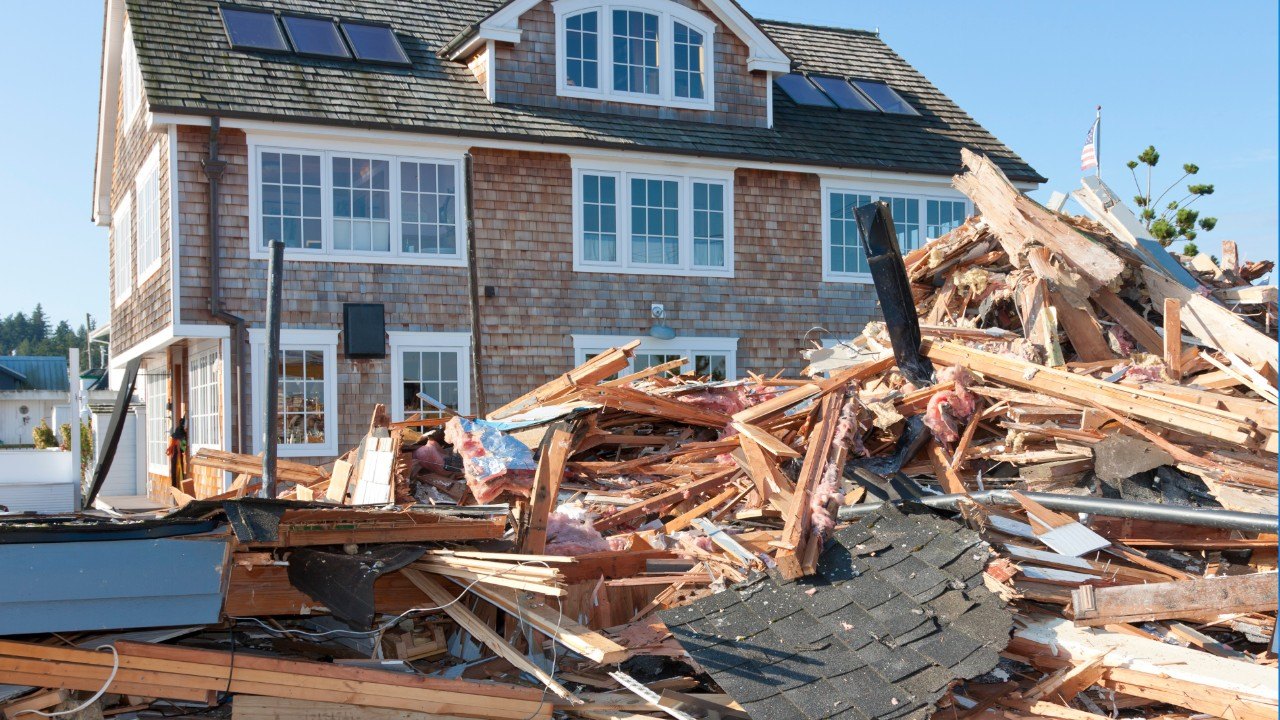
As weather disasters become more and more frequent, the home insurance system feels broken for Americans across the country. Now, the advocacy nonprofit Consumer Reports is trying to implement a " homeowners insurance bill of rights " to codify baseline protections across all 50 states. According to a survey from the group, homeowners have seen their insurance rates climb-like Sierra in North Carolina, whose insurance spiked 43% last year, with her provider citing the "increased regional weather risks" as well as Hurricane Helene's impact specifically.
Wyoming homeowners face mid-range insurance premiums compared with the rest of the U.S. While not as high as those in Gulf Coast states, Wyoming's costs trend above some of its Mountain West neighbors, reflecting risks tied to severe weather and wildfire exposure. New data from the U.S. Census Bureau and the 2025 Climate Risk Report help place Wyoming in the national context.
According to the American Community Survey (ACS) data from the U.S. Census Bureau, South Dakota homeowners with a mortgage typically pay $1,500-$1,999 annually for homeowners insurance, while those without a mortgage average $1,000-$1,499. Overall statewide costs fall into the $1,500-$1,999 range. South Dakota has 261,078 insured homeowner households in total-142,522 with a mortgage and 118,556 without. Among mortgaged owners, 16,322 pay less than $100 annually and 12,336 pay $4,000 or more. Among those without a mortgage, 29,579 pay less than $100 and 6,500 pay $4,000 or more.
While Gulf Coast and wildfire-heavy markets face severe affordability challenges, new data from the U.S. Census Bureau and the 2025 Climate Risk Report show that Oregon remains relatively affordable for homeowners coverage. Oregon's Insurance Costs Stay Affordable According to the American Community Survey (ACS) data from the U.S. Census Bureau, Oregon homeowners with a mortgage typically pay $1,000-$1,499 annually for homeowners insurance, while those without a mortgage average the same $1,000-$1,499. Overall statewide costs fall into the $1,000-$1,499 range.
Compared with nearby states, New York is among the most affordable. New Jersey homeowners with a mortgage also average $1,000-$1,499, with similar patterns. Pennsylvania mortgage holders fall into the same category, while non-mortgaged homeowners average slightly less at $800-$999. Connecticut and Massachusetts, however, are more expensive, with mortgaged owners paying $1,500-$1,999. Rhode Island also trends higher. This positions New York as one of the more affordable large states in the Northeast.
Missouri homeowners face mid-range insurance premiums compared with both their regional neighbors and the broader U.S. While not as high as storm-prone Gulf Coast states, Missouri's costs are higher than some nearby Midwestern states, reflecting its exposure to tornadoes, hail, and severe weather. Data from the U.S. Census Bureau and the Realtor.com® 2025 Climate Risk Report highlight Missouri's position in the national picture.
According to newly released American Community Survey (ACS) data from the U.S. Census Bureau, Mississippi homeowners with a mortgage typically pay $1,500-$1,999 annually for homeowners insurance, while those without a mortgage average $1,000-$1,499. Overall statewide costs fall into the $1,000-$1,499 range. Mississippi has 829,682 insured homeowner households in total-401,890 with a mortgage and 427,792 without. Among mortgaged owners, 38,142 less than $100 annually and 38,238 pay $4,000 or more. Among those without a mortgage, 129,731 pay less than $100 and 22,139 pay $4,000 or more.
Idaho homeowners enjoy some of the lowest insurance premiums in the nation, even as premiums rise across many other states. While climate risks are pushing prices higher in places like Florida, Texas, and California, new data from the U.S. Census Bureau and the Realtor.com® 2025 Climate Risk Report show that Idaho households remain relatively insulated from the steepest increases. Idaho's Insurance Costs Stay Affordable
Arizona homeowners continue to see relatively affordable homeowners insurance compared with much of the country. While premiums have climbed in high-risk coastal states, data from the U.S. Census Bureau and the Realtor.com® 2025 Climate Risk Report show that Arizona remains on the lower end of the spectrum.
The average American emergency savings is only $500, significantly below the recommended three to six months of living expenses, leaving many ill-equipped for home repairs or emergencies. Homeowners in high climate-risk areas face challenges with insurance, as premiums soar in disaster-prone regions, leading to some homeowners considering going without insurance due to high costs. With over $12.7 trillion worth of U.S. real estate facing severe climate risk, insurers are either increasing rates or withdrawing from high-risk areas, leaving homeowners with limited coverage options.
The California State Automobile Association, an insurance group affiliated with AAA, has officially filed for a homeowners' insurance rate increase. "It's pretty insane to me that, you know, when it comes to their turn to pay out, they're not doing it as they should be," CSAA Insurance customer Jesse Kramasz said. Kramasz has had an open claim with CSAA since 2020. MORE: State Farm requests another rate hike, 1 week after CA approved the last one "The day after Christmas, actually," she said. "So, we noticed a leak under our sink, which turned into this big old thing, and we just had problem after problem and delays from the insurance company and just haven't been able to get our claim settled."
In addition to consumers, housing industry players are also feeling the strain caused by rising premiums. Affordability is already a challenge for homeowners and insurance is just another catalyst making it more difficult for a lot of consumers to continue making their payments, Toby Wells, the president of Cornerstone Servicing, said. He adds that this, in turn, drives up costs for servicers as they need to provide these consumers with loss mitigation efforts.
When selling a house, your homeowners insurance policy should remain in place until the buyer officially owns your home. Keeping the necessary coverage ensures the property stays protected.
Buying any house is costly, but the cost to buy, rehab and flip a house can be costlier. By definition, house flipping is the practice of buying property as a real estate investment with the intention of holding it for a short period of time, then reselling it for a profit.