#intellectual-property
#intellectual-property
[ follow ]
#patent-law #trademark #innovation #ai #copyright #artificial-intelligence #litigation #federal-circuit
#patent-law

fromIPWatchdog.com | Patents & Intellectual Property Law
1 month agoIntellectual property law
Other Barks & Bites for Friday, April 3: Trump EO Sets 100% Tariffs on Patent Pharmaceutical Imports; Squires Vacates TikTok IPRs Under Tianma Microelectronics; and Kallay Voices DOJ's Preference for FRAND Obligations
Intellectual property law
fromIPWatchdog.com | Patents & Intellectual Property Law
1 week agoCAFC Affirms PTAB Ruling That DraftKings Failed to Prove Unpatentability of Gaming Patent Claim
The CAFC upheld the PTAB's decision that DK Crown Holdings failed to prove claim 18 of U.S. Patent No. 9,978,205 unpatentable.
Intellectual property law
fromIPWatchdog.com | Patents & Intellectual Property Law
8 years agoBroad List of References by PTAB Not Adequate Notice of Specific Combinations of Prior Art
EmeraChem's '758 patent claims were invalidated based on the '558 patent being considered prior art under 35 U.S.C. § 102(e).
Intellectual property law
fromIPWatchdog.com | Patents & Intellectual Property Law
1 month agoOther Barks & Bites for Friday, April 3: Trump EO Sets 100% Tariffs on Patent Pharmaceutical Imports; Squires Vacates TikTok IPRs Under Tianma Microelectronics; and Kallay Voices DOJ's Preference for FRAND Obligations
President Trump signed an executive order imposing 100% tariffs on imported patented pharmaceuticals and ingredients from 17 drugmakers.
#ai
Intellectual property law
fromMarTech
1 week agoAI is pushing copyright enforcement into DAM | MarTech
Copyright enforcement is shifting to Digital Asset Management systems, which must proactively manage licensing as AI content creation accelerates.
Intellectual property law
fromIPWatchdog.com | Patents & Intellectual Property Law
1 month agoDisney Deal Shows the Way for Responsible AI Development
Arts and entertainment are essential to society, and AI companies face legal challenges for using copyrighted works without permission.
fromIPWatchdog.com | Patents & Intellectual Property Law
1 month agoIntellectual property law
The Last Archive: How AI Is Erasing What We Know-And Why Patent Attorneys Are Humanity's Last Line of Defense
AI-generated content poses challenges for patent quality, emphasizing the importance of human oversight in maintaining standards.
Intellectual property law
fromFuturism
1 month agoAnthropic Suddenly Cares Intensely About Intellectual Property After Realizing With Horror That It Accidentally Leaked Claude's Source Code
Anthropic's copyright takedown request for its AI model's source code highlights hypocrisy in its stance on copyright laws.
Intellectual property law
fromIPWatchdog.com | Patents & Intellectual Property Law
1 week agoOther Barks & Bites for Friday, May 1: EU Lands on USTR's Special 301 Watch List; Battery Recycling Patent Families Increase Seven-Fold in Past Decade; and Google Cert Petition Challenges Settled Expectations Doctrine
The U.S. Trade Representative's Special 301 Report highlights IP issues in the EU and identifies Vietnam as a Priority Foreign Country for IP protection.
#innovation
Higher education
fromIPWatchdog.com | Patents & Intellectual Property Law
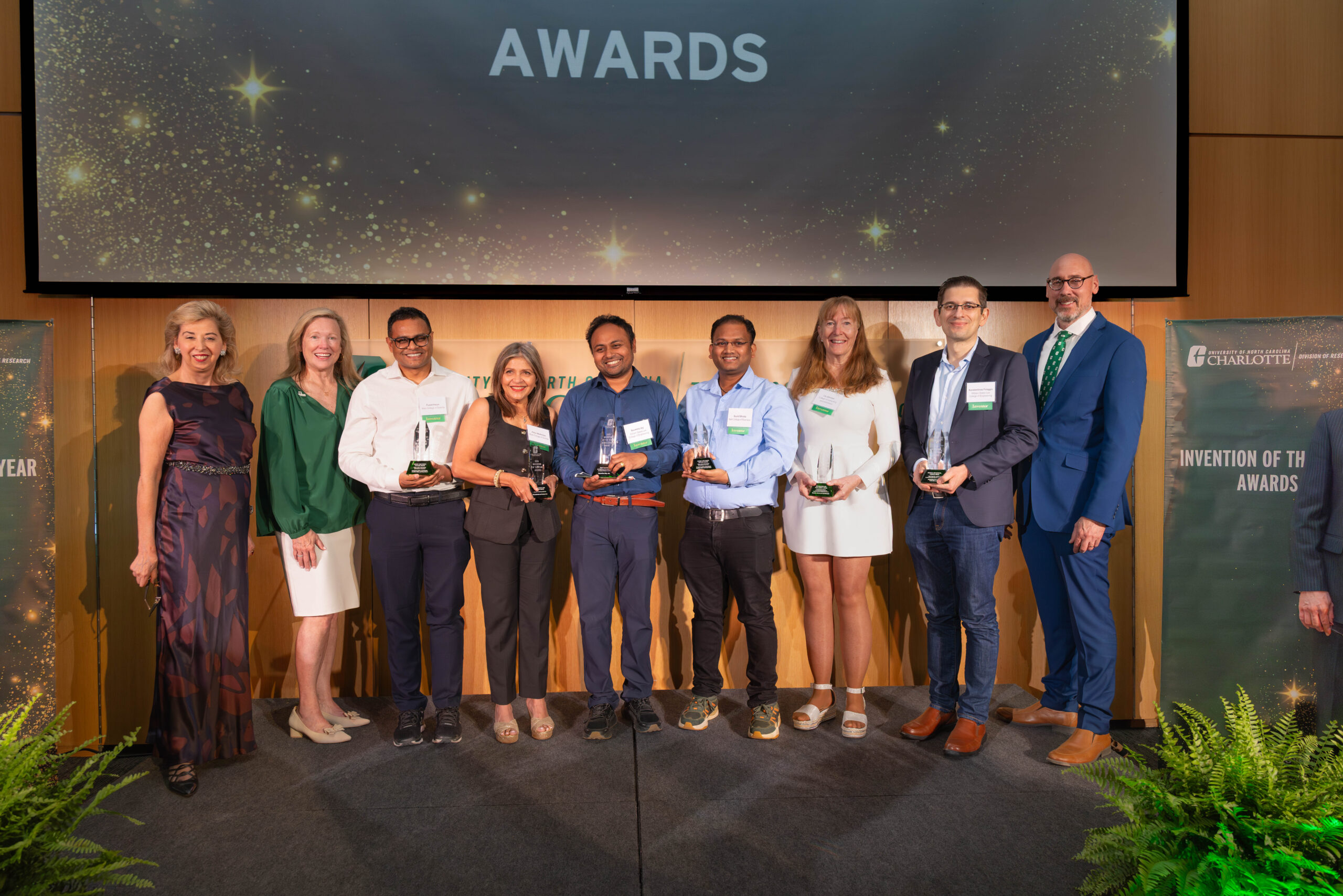
1 week agoUNC Charlotte Highlights the Power of Invention at 2026 Invention of the Year Awards
UNC Charlotte's Invention of the Year Awards highlight the transition from research to protected inventions, showcasing innovation's role in economic growth and national security.
Intellectual property law
fromIPWatchdog.com | Patents & Intellectual Property Law
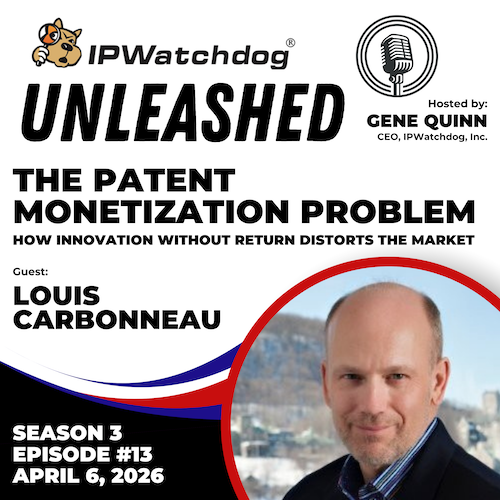
1 month agoPatent Monetization: Markets, Misaligned Incentives, and the AI Inflection Point | IPWatchdog Unleashed
The incentive structure for innovation has eroded, disadvantaging individual inventors and leading to a decline in long-term innovation output.
#trademark
Intellectual property law
fromLondon Business News | Londonlovesbusiness.com
2 weeks agoTrademark costs around the world: What to know before you file - London Business News | Londonlovesbusiness.com
Government filing fees for trademarks vary widely, but the examination process and quality differ significantly across countries.
Higher education
fromInside Higher Ed | Higher Education News, Events and Jobs
2 weeks agoFaculty Concerned About ASU's New AI Course Builder
Arizona State University launched a web app, Atom, allowing users to create customized learning modules using AI, raising concerns among faculty about content usage.
fromwww.theguardian.com
2 weeks agoIt will never cover what's authentic': African music industry weighs up AI risks and rewards
Fave found herself caught up in a viral moment: an unauthorised version of a track featuring an AI choir had been released, quickly becoming an internet sensation. To get ahead of the situation, she recorded her own remix that integrated the AI-assisted song and added it to her discography.
Music production
EU data protection
fromGlobal IP & Technology Law Blog
2 weeks agoAt A Crossroads Issue #4: Revised EU Antitrust Rules on Technology Transfers - Implications for the Automotive and Transportation Industry
The European Commission revised the Technology Transfer Block Exemption Regulation to enhance legal certainty for technology licensing in evolving markets.
#litigation
Intellectual property law
fromIPWatchdog.com | Patents & Intellectual Property Law
2 weeks agoProactive IP Risk Management: A Patent Litigator's Perspective | IPWatchdog Unleashed
Intellectual property is evolving from a reactive discipline to a strategic function integrating technology, business, and risk management.
Intellectual property law
fromIPWatchdog.com | Patents & Intellectual Property Law
2 weeks agoOther Barks & Bites for Friday, April 24: Judge Albright to Leave Federal Bench in August; China Rejects 1.27 Million Deceptive Trademark Applications; Music Labels Voluntarily Dismiss Verizon Copyright Suit
World IP Day 2026 will focus on the role of intellectual property in sports and related global issues.

Intellectual property law
fromIPWatchdog.com | Patents & Intellectual Property Law
3 weeks agoCongress is Lagging on Innovation Policy; Americans Are Paying the Price
Intellectual property protections are crucial for the economy, supporting millions of jobs and a significant portion of economic output.
Intellectual property law
fromIPWatchdog.com | Patents & Intellectual Property Law
3 weeks agoDespite Growing Number of IP Advocates in Congress, C4IP Scorecard Finds Weak IP Engagement Overall
Patent legislation is perceived to have a more negative impact than proposed copyright legislation according to C4IP's Congressional Innovation Scorecard.
fromresund Startups
3 weeks agoInvestor Dialogue: building circular portfolio with Nordic ecosystems
The circular economy is not just a trend-it's a necessity for sustainable industrial and economic growth. However, investors often face challenges such as 'death by pilot,' regulatory hurdles, and the gap between technical readiness and market entry.
London startup
Intellectual property law
fromIPWatchdog.com | Patents & Intellectual Property Law
3 weeks agoSchedule A Litigation: Strategies and Best Practices for Online Enforcement
Schedule A litigation effectively addresses online trademark infringement by consolidating multiple foreign-based infringers into a single lawsuit.
Intellectual property law
fromIPWatchdog.com | Patents & Intellectual Property Law
4 weeks agoNavigating the Global SEP Toll Road: From Judicial Arbitrage to the Willingness Test
Standard essential patents create tension over licensing terms, with no consensus on compensation despite agreement on the need for it.
Intellectual property law
fromIPWatchdog.com | Patents & Intellectual Property Law
4 weeks agoHigh Performance, Hidden Struggles: Law Firm Culture and the Human Side of IP Law / IPWatchdog Unleashed
Intellectual property strategy is shifting from accumulation to optimization, focusing on business value and addressing mental health challenges in the legal profession.
fromIPWatchdog.com | Patents & Intellectual Property Law
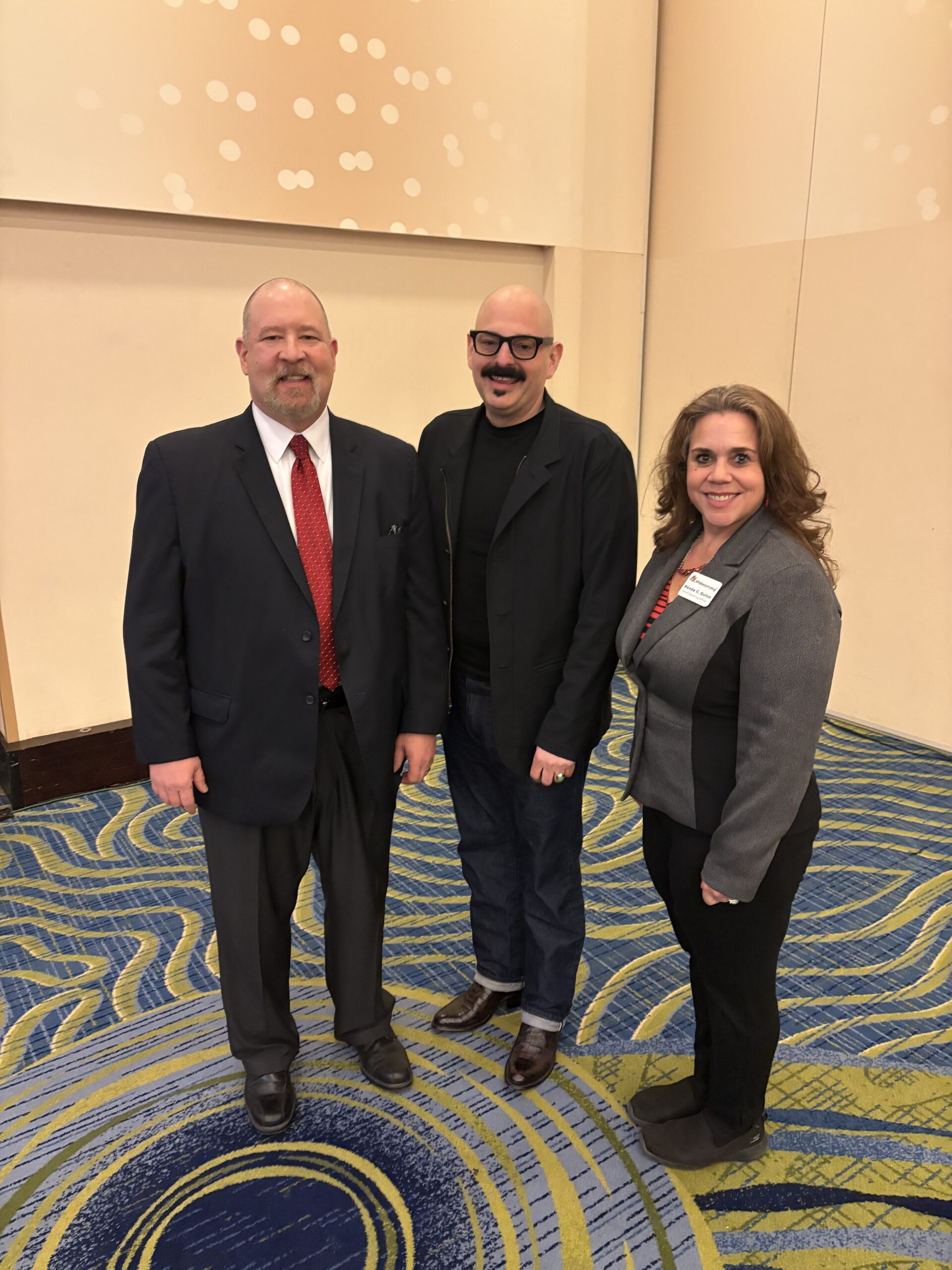
4 weeks agoIPWatchdog Announces Leadership Promotions to Support Continued Growth and Strategic Expansion
Renée's leadership extends well beyond operations. While I focus on external-facing initiatives such as content, programs, and strategic vision, she oversees the core business functions of the company, including finance and HR, and is instrumental in driving our growth.
Media industry
#patent-licensing
Intellectual property law
fromIPWatchdog.com | Patents & Intellectual Property Law
1 month agoIPWatchdog LIVE Panel Asks Whether Patent Licensing Still Works - The Answer Is Complicated
The voluntary patent licensing ecosystem is broken, leading to disincentivized licensing and increased exposure for patent owners.
Intellectual property law
fromIPWatchdog.com | Patents & Intellectual Property Law
1 month agoOther Barks & Bites for Friday, April 10: DISH Wins Copyright Appeal Over Arabic TV Retransmissions; Fifth Circuit Awards Google Transfer on Mandamus; and Third Circuit Says Online Publication of Copyrighted Building Codes is Transformative
The article covers significant legal developments in copyright and patent issues, including court rulings and corporate partnerships in the AI sector.
Intellectual property law
fromIPWatchdog.com | Patents & Intellectual Property Law
8 years agoRenegotiate NAFTA to Make it the Gold Standard in IP Protection
Renegotiating NAFTA presents an opportunity to enhance protections for intellectual property rights, crucial for U.S. economic growth and job preservation.

fromComputerworld
1 month agoOnlyOffice accuses Euro-Office of licensing violations, suspends Nextcloud partnership
OnlyOffice stated that those accessing its code under the GNU Affero General Public License v3 are required to retain its branding and provide proper attribution to the original technology. Euro-Office's failure to meet these conditions constitutes an infringement of the copyright holder's exclusive rights.
Intellectual property law
fromTechCrunch
1 month agoThe reputation of troubled YC startup Delve has gotten even worse | TechCrunch
DeepDelver recognized that Pathways looked a lot like Sim.ai's open-source agent-building product called SimStudio and asked Delve if it was based on SimStudio. The Delve folks said they built it themselves, the whistleblower contends.
Software development
fromIPWatchdog.com | Patents & Intellectual Property Law
1 month agoWIPO in Focus: Beyond Treaties, Toward a Market-Driven IP System | IPWatchdog Unleashed
WIPO is not merely a distant UN bureaucracy; it is a dynamic, fee-driven organization that has been undergoing significant operational and cultural transformation in recent years.
Intellectual property law
Intellectual property law
fromIPWatchdog.com | Patents & Intellectual Property Law
1 month agoNinety-Eight Percent of Apple, Nvidia, Costco, Lilly and MasterCard Market Value are IP-Related Intangible Assets
Intangible assets have significantly increased in value, comprising up to 98% of some companies' market value, reshaping corporate finance and understanding.
#uspto
Intellectual property law
fromPatently-O
1 month agoBipartisan Skepticism Greets Director Squires at First House Oversight Hearing
The House Judiciary Subcommittee hearing addressed various USPTO issues under Director John Squires, revealing bipartisan skepticism and concerns over patent quality and IPR changes.
Intellectual property law
fromIPWatchdog.com | Patents & Intellectual Property Law
1 month agoContentious House USPTO Oversight Hearing Centers on PTAB Reforms, Trump's Political Influence
Gang tackling is preferred over serial filings for addressing patent issues, according to USPTO Director John Squires.
Intellectual property law
fromIPWatchdog.com | Patents & Intellectual Property Law
1 month agoCalculating the Patent Liabilities of the 'Magnificent Seven'
Implementers face significant patent liability, leading to covert actions against the U.S. patent system and increased litigation over the past 30 years.
[ Load more ]