The study, published in the journal Nature Communications, featured 3,659 participants, 69% of whom were female, and 99.6% were studied during the Omicron variant era of the pandemic. The researchers measured long COVID experiences from three to 15 months.
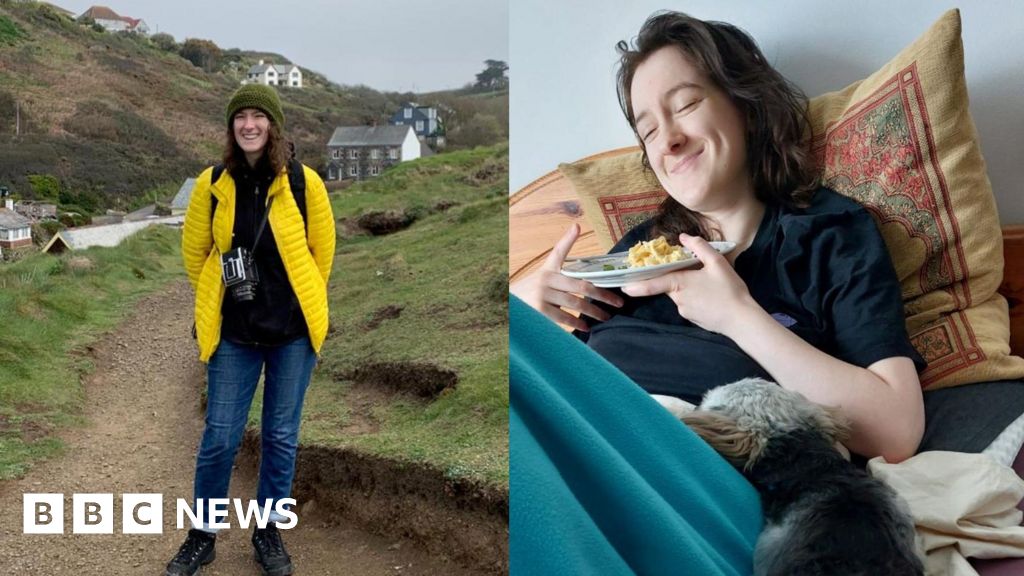
Now I live with on-going symptoms that stop me from doing the things that most teenagers can, I often feel left out because my friends have moved on and I can't keep up. Too often children like me have felt abandoned and failed, our struggles minimised and ignored, I want people to understand how much this has affected young people too... and children like me won't be overlooked in the future.
The second-generation smart earrings launched on Tuesday. Initially developed for those with long COVID or POTS looking to track blood flow, CEO and founder Daniel Lee is expanding his smart earrings through the second-gen product, built for a wider, general audience. The Lumia 2 ditches the med-techy look of its first generation for a stylish, light, and discreet health tracker disguised as an earring.
"This study addresses an urgent need to define the differing long COVID trajectories," said senior author Bruce Levy of Mass General Brigham's Department of Medicine and Division of Pulmonary and Critical Care Medicine, and the Hersey Professor of the Theory and Practice of Physic at Harvard Medical School. "Our findings will help determine what resources are needed for clinical and public health support of individuals with long COVID and will also inform efforts to understand long COVID's biological basis."
"There should be absolutely no shame or stigma in using the power of the brain to relieve the symptoms of long covid. We already know that the state of our mind and nervous system can powerfully influence the immune system and contribute to a hyperactive defence system."