We are repeatedly sold a painfully two-dimensional picture of the motivations of those seeking shelter in Britain. According to this picture, migrants are eager to experience the benefits of our society, but they are also out to undermine it, because they come from cultures whose values are dramatically different from our own. Think of the ongoing grooming gangs scandal: an undeniably appalling series of events, institutional failures and victim-blaming that has been
On the pair of series Euphoria (2019 -) and The Idol (2023), sex scenes are so plentiful and incendiary that they tend to eclipse the central plot. Both have featured erotic asphyxiation practices in memorable scenes. Euphoria's two seasons, soon to be joined by a third, have turned it into a contemporary reference point, one that has come to characterize an entire generation of teens and brought us such undeniable rising stars as Zendaya and Jacob Elordi.
They're all part of the new strain of Mormon mania sweeping American culture. When I asked "Real Housewives of Salt Lake City" star Heather Gay about the phenomenon last week, she called it "undeniable and crazy." "I just think that the Mormon moment is because we're taking over, we're industrial, we're enterprising," Gay said. Two percent of the US population self-identifies as members of the Church of Latter-day Saints, but they've dominated our screens and conversations in 2025 like never before.
In the age of streaming, television series no longer just entertain: they dictate conversations, shape esthetics, and sometimes even foreshadow headlines. Take Boots (Netflix, 2025), for example. The series follows two young men training at a U.S. Marine Corps recruit center in the 1990s. But what might seem like a nostalgic tale of discipline and military brotherhood becomes with almost imperceptible detail an X-ray of current dilemmas surrounding identity, body, and power.
His near-death experience followed a severe fall from a ladder: fractured ribs, internal bleeding, loss of consciousness before the ambulance arrived. "They told me afterwards it was close," he says, rubbing his palms together as though checking for dust that isn't there. "Very close." I ask him what he considers the most significant insight from the experience. He looks at his calloused hands for only a heartbeat before answering: "The essence of all is encounter and connection," he says. "Love means recognizing that the other should be exactly who they are-and wishing them well, genuinely and honestly."
Claire Danes' acting chops have been on full display since her star teenage turn in My So-Called Life. Now that she is 46 and starring in a new Netflix show, The Beast in Me-no spoilers; don't worry, I have two episodes to go myself-her ability to showcase subtle, complex, and rapidly shifting emotions remains impressive. Why is this surprising or noteworthy, you may ask? She is an actor, after all.
"Do you think this attack came in a particular context?" the journalist asks Taasa, played by Yael Abecassis. "Excuse me?" she asks. "This story has two sides," the journalist says. "Can you explain why you were attacked?" Taasa looks at him in blank, exhausted disgust and then looks straight into the camera. "Do you want to know what I saw on the road when we were rescued? How many bodies of naked women? Dead? In torn underwear?"
Lawrence Jones criticized Stephen Colbert's performance, stating that his impression of Trump was poor and he lacked comedy, calling him an extreme partisan with low ratings.
The show knows that's why we love them. You can feel it straining against its moral imperative to educate us as to why these beasts are mostly harmless, necessary and misunderstood.
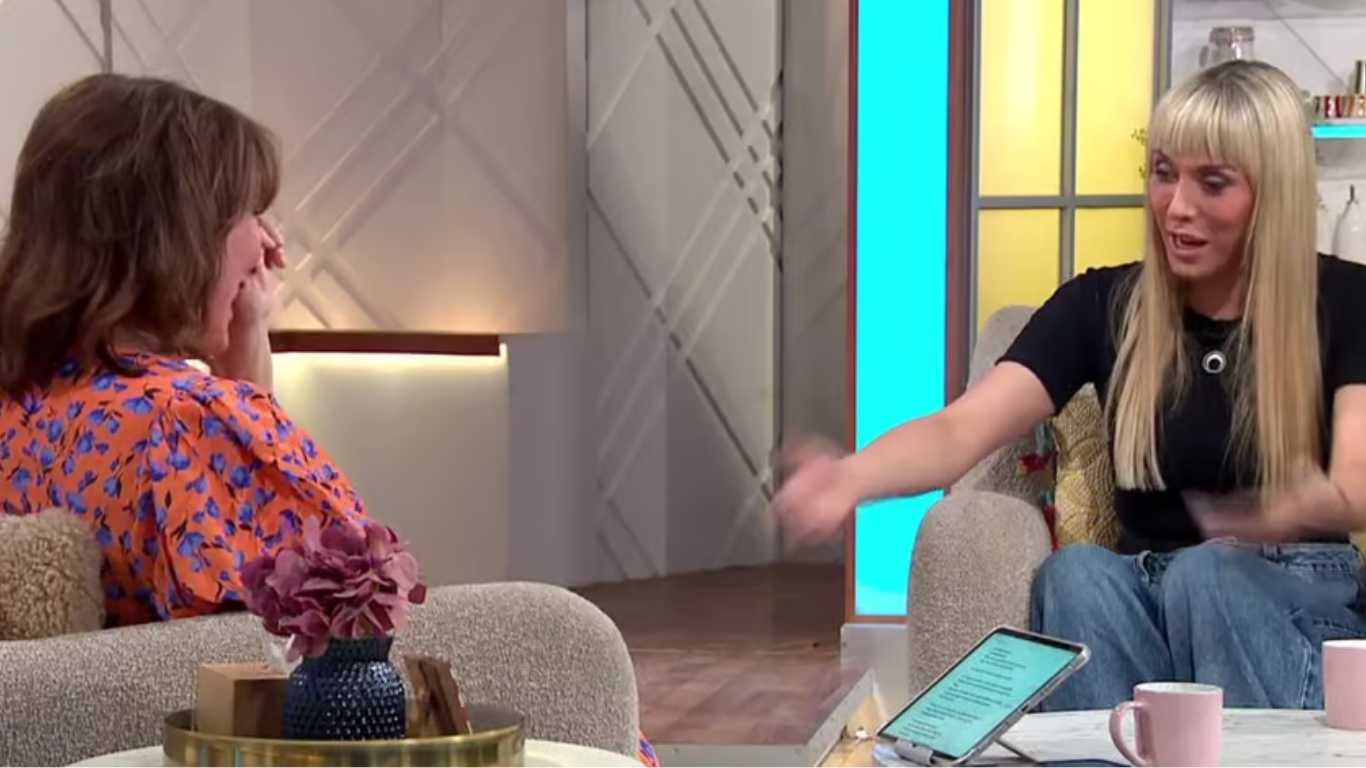
After Kelly replied, "You're going to make me cry," Lees continued, "Honestly, not everyone is there speaking up for us. We're less than 0.5 percent of the population and we are under attack."
"I think there's something extraordinary for to be really situating Ro in the real world. This character is feeling the pressure of headlines on the papers day after day saying anti-trans slogans."
As opposed to investigating deepfake detection models, the study looks more broadly at AI models used for "fake news detection." This highlights systemic biases in technology.
Bovino is proud of the videos, and rejected the idea that the fictional portrayals are, in fact, fictional. "Those fictionalized accounts that you're talking about are really not fictionalized accounts."