If learning a new skill is one of your New Year's resolutions, then you might want to know that MasterClass subscriptions are currently 40 percent off. This brings the top-tier subscription with offline mode and use on up to six devices down from $240 annually to $144. The entry-level plan, which supports just one device and doesn't offer offline viewing, is marked down to $72 from $120.
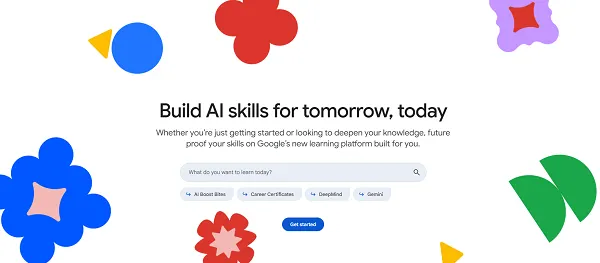
As prices rise faster than most paychecks, finding ways to increase your income has become more important than ever - especially if you're looking to boost your bank account. Fortunately, you don't need a long program or expensive training to increase your earning potential. With free tutorials and short online courses, you can learn high-demand skills in a matter of weeks, helping you build a reliable side income.
A recent Google Forms survey conducted by 11th-grader Gianni Callwood, the the Antioch Unified School District board's new student representative, aimed to understand the primary issues affecting students. Wi-Fi problems quickly became clear as the students' top concern. Responses included comments such as Extremely poor internet, Please fix the Wi-Fi and Negative Wi-Fi around campus. In fact, all 21 responses mentioned Wi-Fi or internet problems that students have experienced.
Learning to code is one of the most accessible ways to open new opportunities in tech. Whether you want to switch careers, understand how digital products work, or build your own ideas, learning to code online gives you a flexible and welcoming place to begin. You do not need experience, a degree, or a technical background. If you are curious and ready to explore, you already have the most important skills to start.
The education system today stands not only on textbooks and other traditional materials. Rather it is increasingly becoming more focused on practical, analytical and technical knowledge. Online courses have been pivotal in bringing about this change wherein students, irrespective of their geographical location can learn from experts across the globe. This has also brought about changes in the way recruiters look for candidates in the job market.
The share of faculty teaching online has also grown; in 2018-19, 34 percent of faculty said they taught at least one course online. In 2024-25, 48 percent of respondents said they teach online, a re-leveling with modest growth since the pandemic high of 71 percent. In the 2024-25 survey, 35 percent of faculty said they taught in more than one modality.
This platform gives you unlimited access to beginner and advanced courses in business, IT, graphic design, coding, finance, digital marketing, and more. Whether you're building a website, developing a product, or managing your own bookkeeping, you'll find courses designed to help you grow your skill set. New content is added regularly, so you can stay current with the tools and trends that matter most.
Digital learning has changed, and so have learners' expectations. People no longer feel satisfied by attending a webinar full of static slides or an online course with a few animations. They want personalized experiences, interactive features, and sessions that actually adapt to their behavior in real time. This is why real-time engagement metrics are the perfect tool to get a sense of how engaged your audience is during the online learning process, allowing you to make adjustments on the spot.
The transition to online learning during the COVID-19 pandemic necessitated rapid adaptation of pedagogical strategies, including the incorporation of new technologies for effective instruction.
Behavioral engagement includes tracking how often learners log in, how long they stay on a course page, and their interactions with quizzes and discussions, but doesn't necessarily equate to true learning.