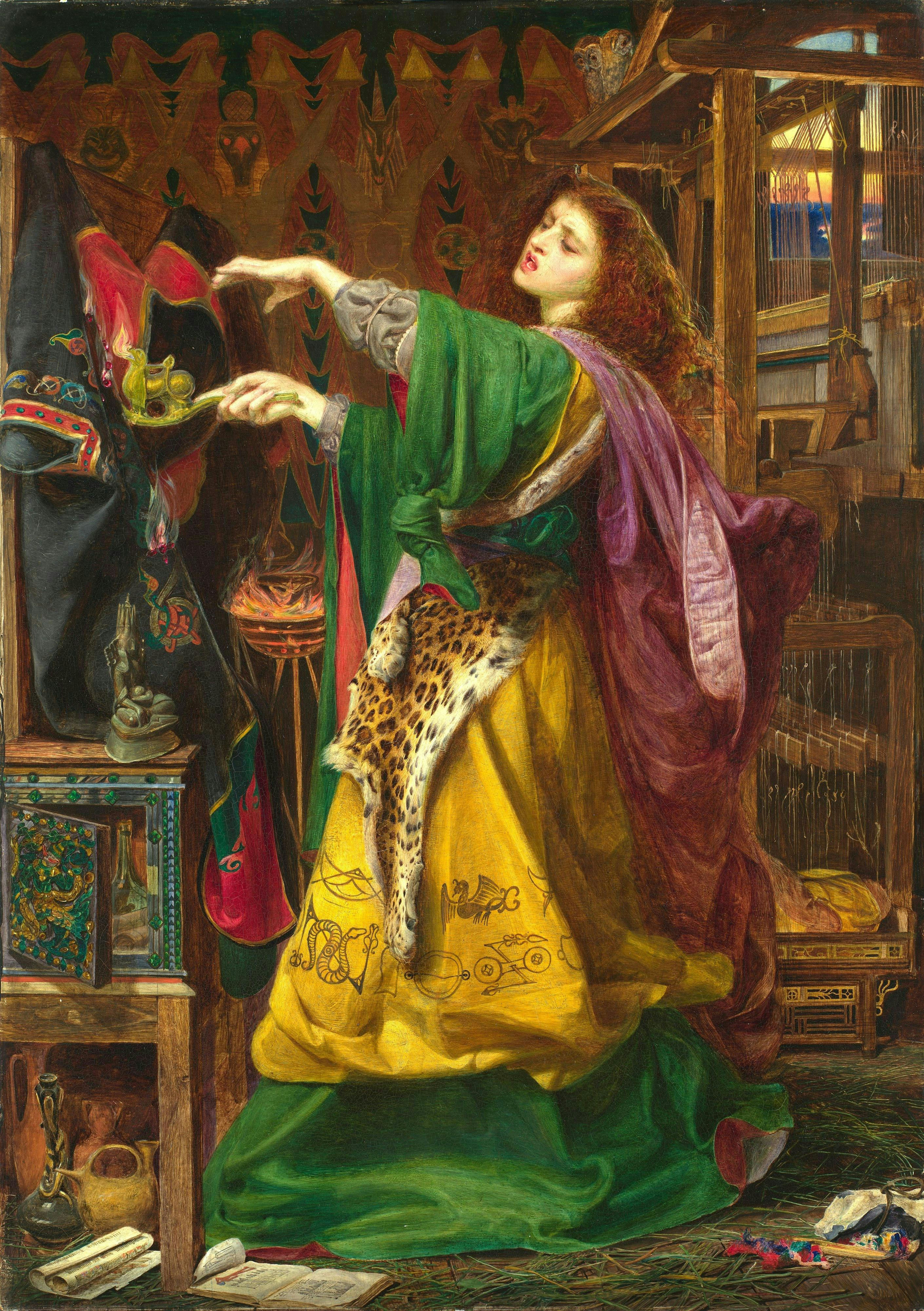
I was suspicious, even cynical, about what the world insisted was vital to the life of my unborn child. I was partly sceptical because so much of the advice I was getting was contradictory. But I was also suspicious because I'd spent most of my 20s reading Nietzsche. Nietzsche is not, perhaps, a natural choice for a young mother. But he helps to fuel certain questions about values, and purpose, that are central to questions of care.
Do you blame others for the choices you are making? Have you blamed others for the previous choices you have made? To shed more light on these questions, you might also ask yourself: "What am I responsible for, and what power do I have?" From there, you might agree with this self-reflective response: "I am responsible for, and I've got the power over what I think, do, say, learn, and choose" (Purje, 2014).
Physical strength develops through the perseverance of training, and strength of character is demonstrated by adhering to and applying integrity-the universal moral and ethical principle of doing no harm. Neither one of these is easy. Both require self‑initiated discipline, dedication, determination, perseverance, and resilience to develop and advance self‑empowerment potential, understood as the individual's inherent capacity for autonomy and agency; yet even with such effort, empowerment is not guaranteed, as it is realised only through consistent action rather than stated intention.
The movie opens with a brief prologue. A family is driving at night. They hit something on the road, which turns out to be a dog, and the dog dies. The daughter in the back seat is visibly upset. The mother consoles her by saying, "It was just an accident-Dad didn't do it on purpose." Then the title appears, and the main story begins.
For years, my 8-year-old son has been asking for a phone. I'm sure he likes the idea of being social and playing games, but he also loves talking. Copper FaceTimes with friends on my phone (calling their Mom's phone) and regularly calls his grandparents to check in. We wanted to give him an age-appropriate amount of freedom and stumbled across a landline-esque phone for kids, the Tin Can.
Despite being alone, I say this loudly over and over and over again as I make my way up the brick walkway that leads to our house. That I had to go back seventeen years to find this reassurance for myself is troubling, back to when the dog was just a wish, albeit a persistent one coming from our daughter Meredith. That was when I voted no.
I think it's fair to say that artificial intelligence is inconsistent, frequently wrong, and sometimes shallow. While the evangelists might push back, anyone who uses it regularly knows this. It misses context, invents details, and can sound confident about things it does not actually understand. Those limits are obvious, and most users encounter them quickly. Yet despite these flaws, for many people, using AI often feels impressive, if not amazing. For some, it already feels as though thinking itself has become easier.
A screen time chart can be a game-changing tool for parents battling the endless screen time struggle. By connecting chores to screen time rewards, kids learn to earn their way to tablet time while parents regain control over daily routines. It's a simple yet effective way to set boundaries, promote responsibility, and maintain a balanced approach to digital content. Whether you're managing a toddler's screen habits or negotiating with older kids glued to their devices, a free printable screen time chart can streamline the chaos.
The child is expected to take a specific role in that world, a place that is stable and certain. The rules and goals are set by the adults in the child's world. At the same time, at play and with its peers the child experiences a completely free world. It is open to all possibilities, even those beyond the child's physical limits. It's as if the child is free in a room, with walls, ceilings and floors that protect it from actual danger.
"Nothing...can sharpen the historian's mind like defeat." - Eric Hobsbawm, reflecting the value of learning from defeats and how many intellectuals have enriched our understanding from their own failures.
The views and opinions expressed on The Infatuation's site and other platforms are those of the authors and do not reflect the official policy or position of (or endorsement by) JPMorgan Chase.