This coy, macabre novel recounts a trip to Venice taken by a middling English writer in the early twentieth century. His memories are presented as a defense against the "prurient and hysterical attention" that was heaped upon him after a series of "dark and tragic events"-set off by the disappearance of his wife, a wellborn American who vanished from the decrepit palazzo where the couple stayed during their honeymoon.
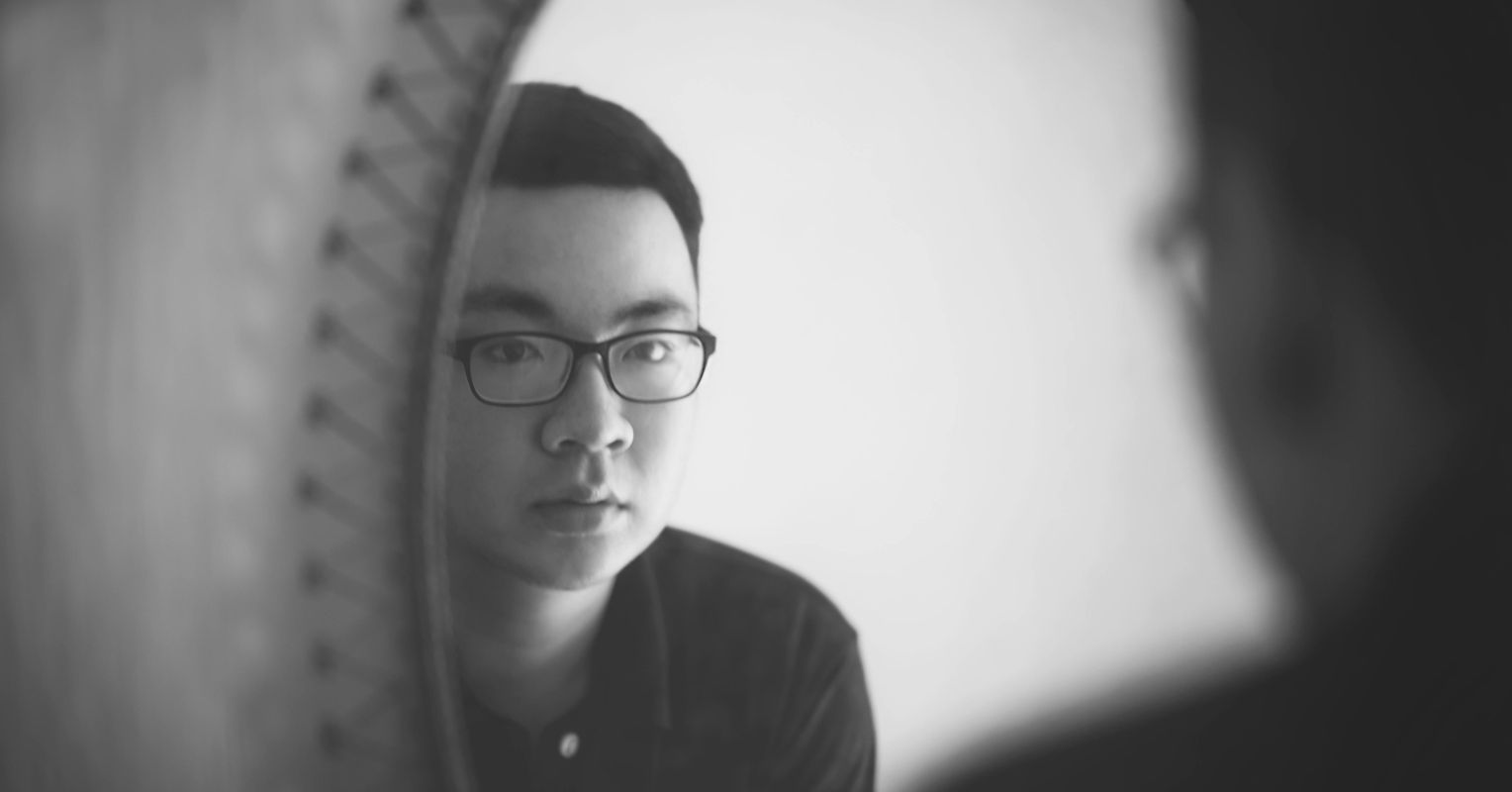
What about the lies you tell yourself? Aren't you also aware of these? After all, you know when you've had "one too many" of something that's bad for you. It's not pleasant to admit it, but the truth is definitely "out there" (or, in this case, "in here"). An act of self-deception may seem pretty harmless, all things considered, especially when compared to lying to others. But why bother? There's nothing really in it for you other than maybe feeling better in the moment.
A maths lecturer, convinced his wife is cheating, will not check the CCTV footage that might confirm his fears but instead keeps a private tally of the number of pubic hairs she sheds in her underwear. One hair is OK, acceptable, more is evidence that she has been having it off, he says, unaware that he uses these delusions of her infidelity to protect himself from the dangers of intimacy.