#skywatching
#skywatching
[ follow ]
#astronomy #meteor-shower #halleys-comet #lyrid-meteor-shower #meteor-showers #comets #nasa #planetary-alignment
:max_bytes(150000):strip_icc()/TAL-zodiacal-light-APRILSKYGUIDE0326-da3e7f01cfd249569fbb5c57cf7d5836.jpg)
fromTravel + Leisure
1 week agoMay Has 7 Night Sky Wonders-Including a Comet, a Meteor Shower, and a Rare 'Blue Moon'
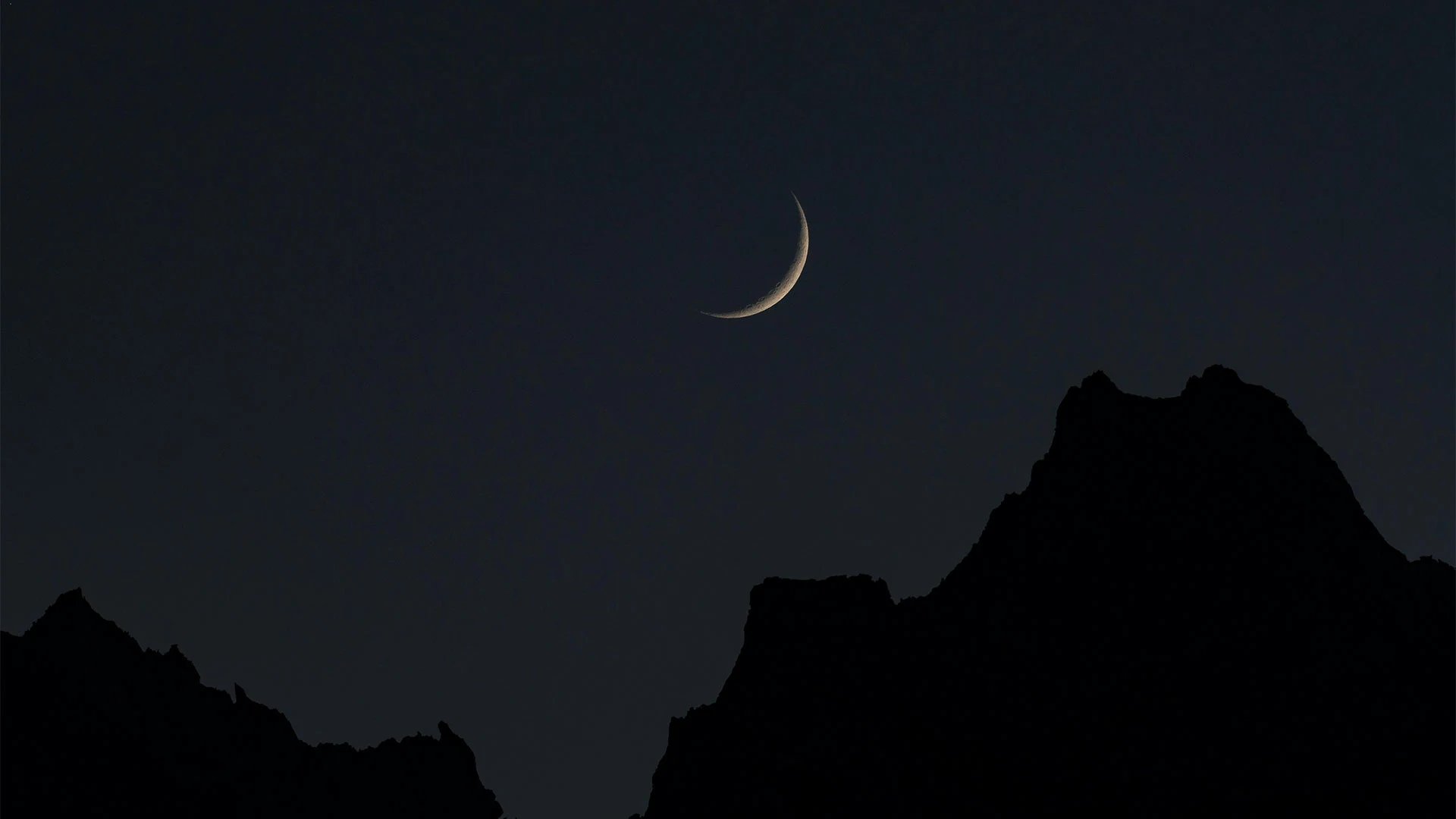
May's first full moon, nicknamed the 'Flower moon,' reaches peak fullness on May 1. This moon is also known as the 'Frog moon,' 'Egg-laying moon,' or 'Leaf Budding moon,' reflecting the seasonal changes recognized by indigenous peoples.
OMG science


#lunar-eclipse
OMG science
fromTravel + Leisure
2 months agoMarch Has 9 Night Sky Wonders-Including the Last Total Lunar Eclipse Until 2028, Zodiacal Light, and a 'Planet Parade'
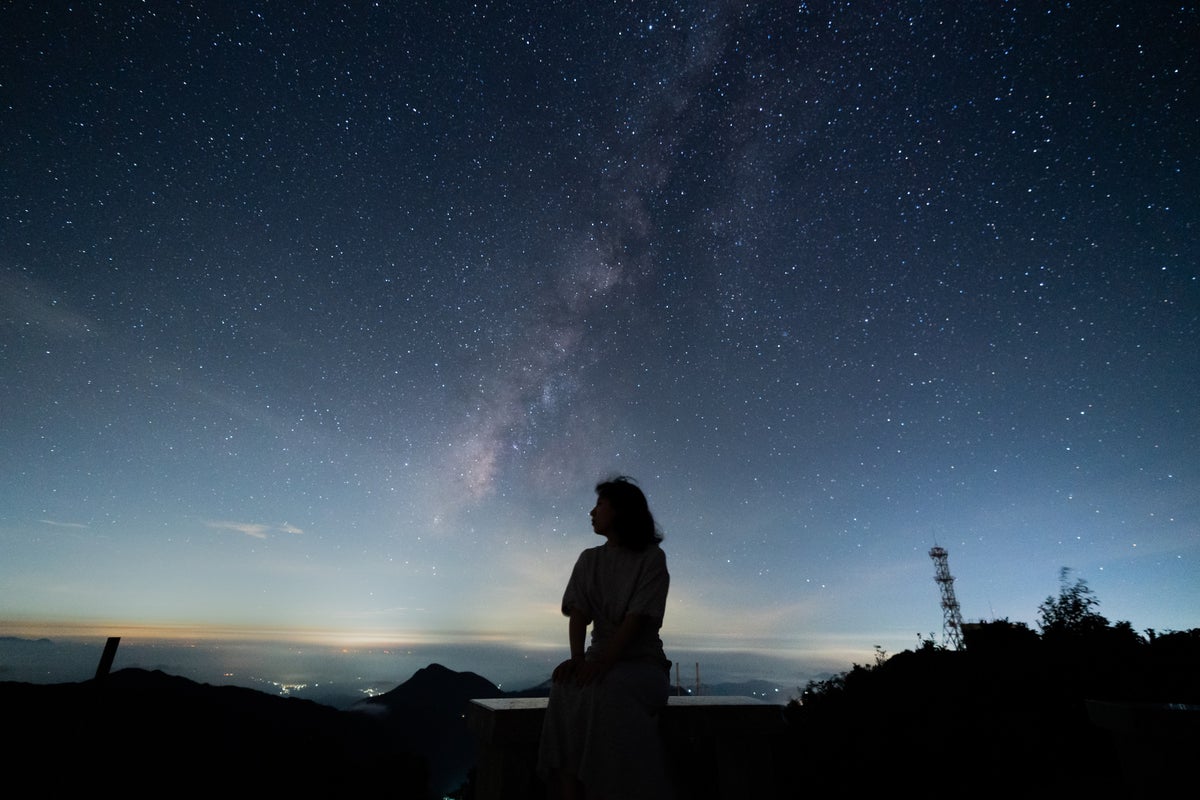
March features a total lunar eclipse visible from Asia, Australia, and North America, plus a rare six-planet alignment and Daylight Saving Time beginning March 8.

fromwww.scientificamerican.com
6 months agoCatch the Taurid Meteor ShowerAnd Learn Why Scientists Are Watching It Closely
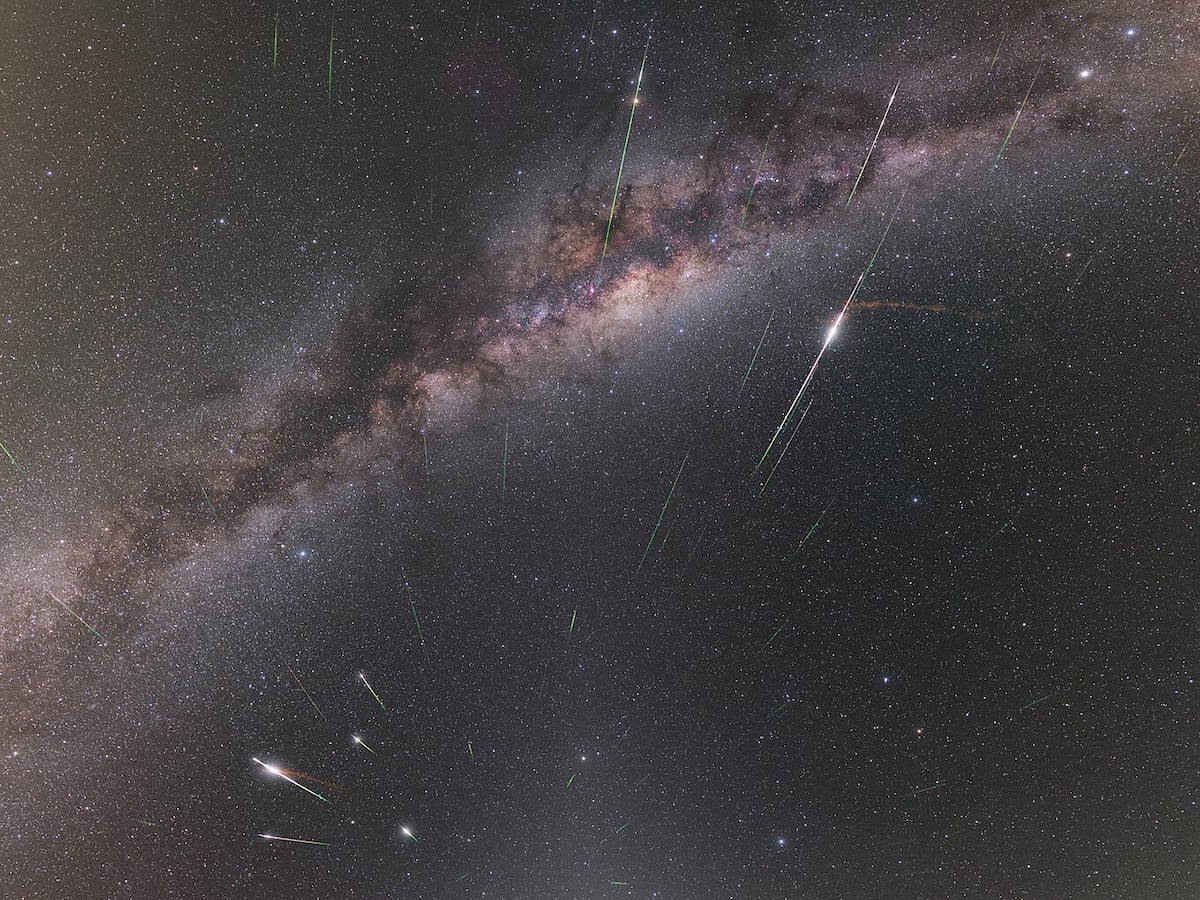
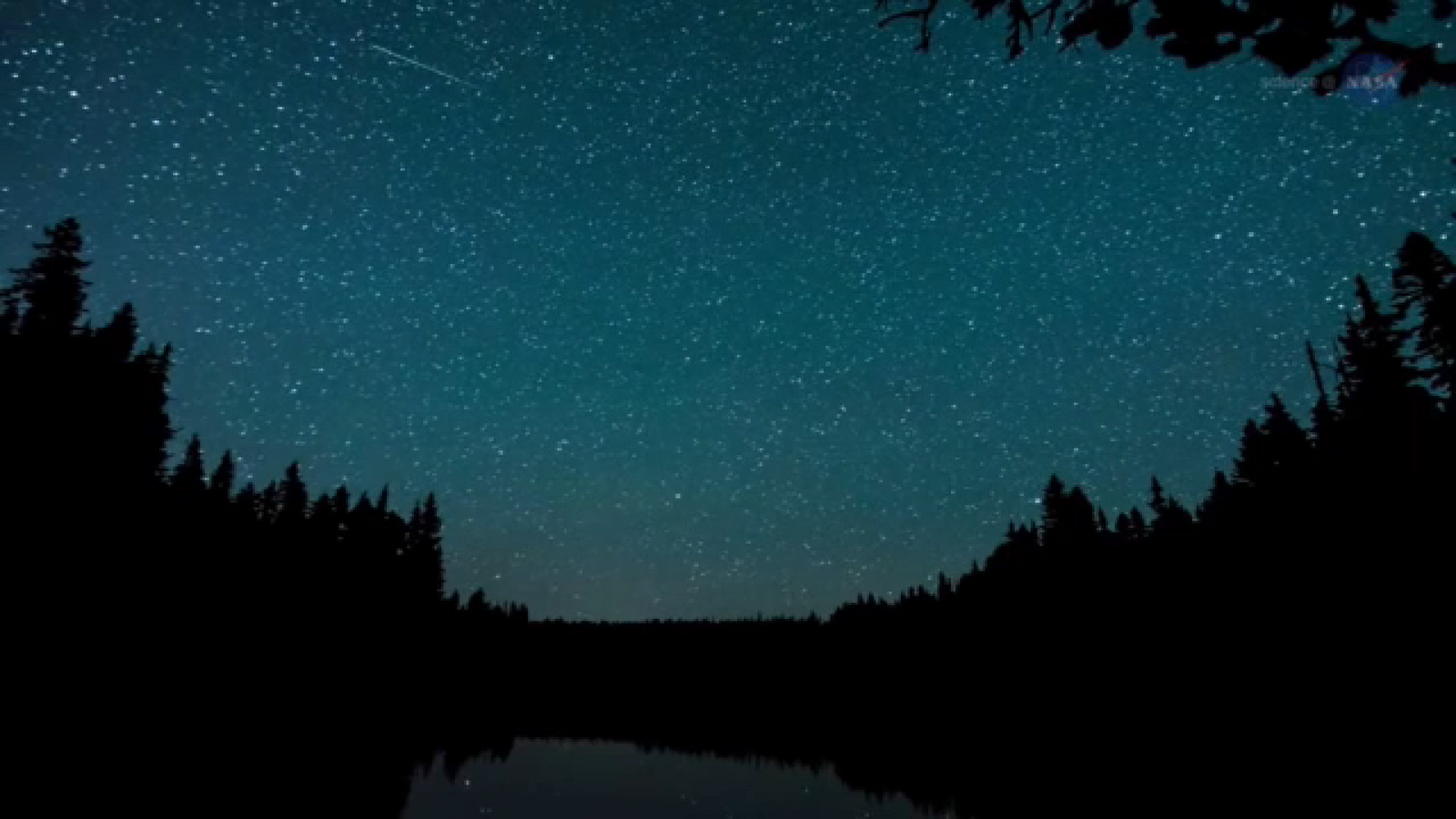
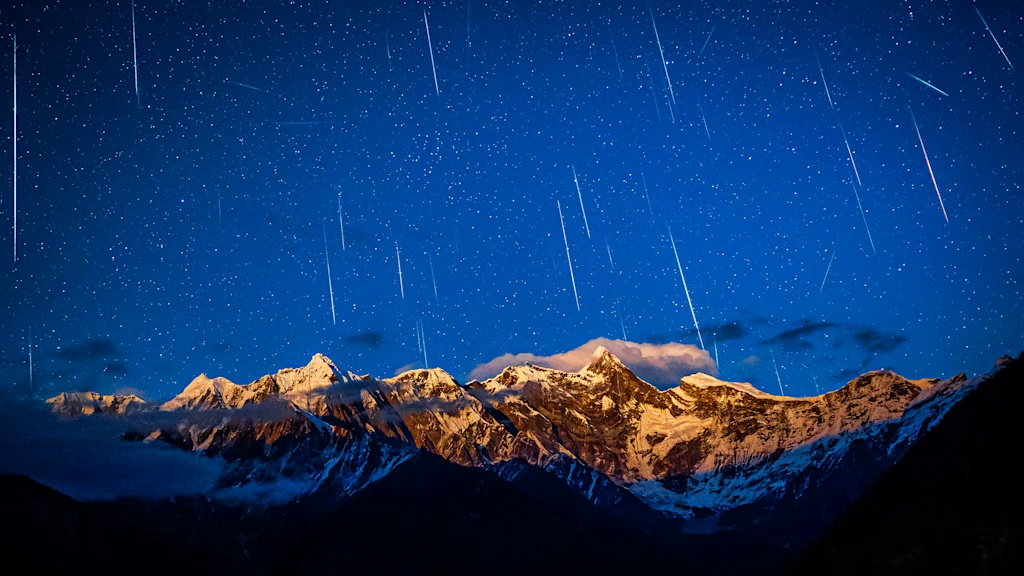
The Taurid meteor shower blooms when Earth flies through debris left behind by Comet 2P/Encke. Encke has among the shortest orbital periods of all comets identified by scientists to date, completing one loop around the sun every 3.3 years. As the object zips around the warmest part of that loop near the sun, its ice turns to gas, which causes the comet to shed dust and other material.
Science
fromABC7 Los Angeles
6 months agoHow and when to watch the Orionid meteor shower
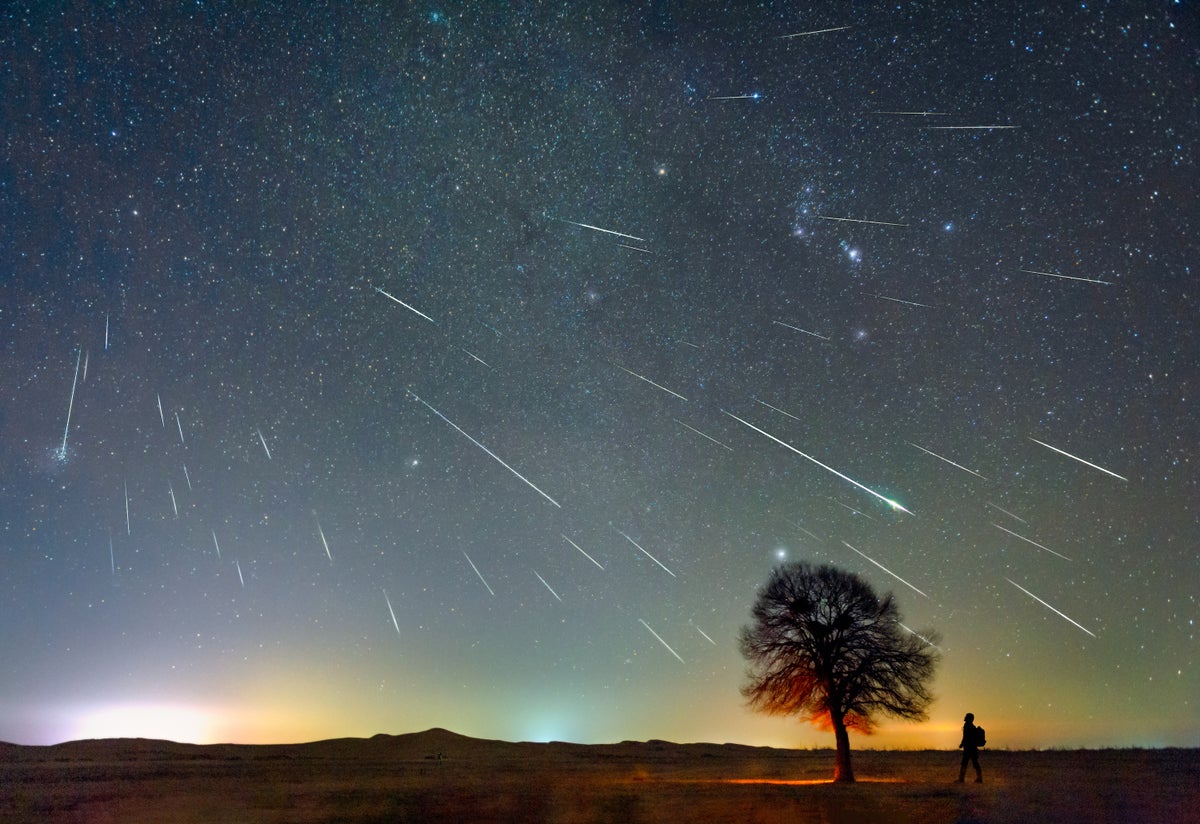
Sky-gazers worldwide will see a brilliant celestial display this week as the Orionid meteor shower peppers the sky in bright trails of light. The meteor shower, which is occasionally known to produce fireballs, is set to peak at 8 p.m. ET Monday, according to EarthSky. The Orionids don't have a sharp peak, "so if you happen to get clouded out on that night, don't despair,"
Science
fromMail Online
7 months ago'Meteor' streaks through UK skies tonight leaving lucky gazers in awe
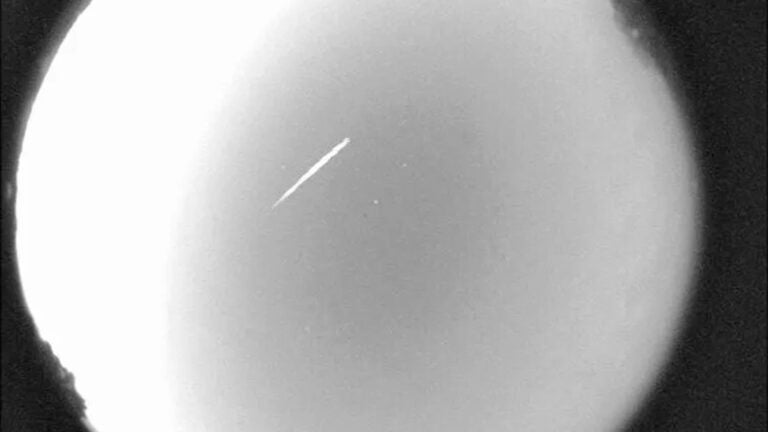
'My next thought was fireworks but I'm 90% sure it wasn't that, and there was no explosion. 'For reference it was about the same size as the full-ish moon tonight, visible through the clouds, but as a much brighter blue green color and, again, moving quite fast. 'It was a very odd combination of speed, size and brightness and didn't look like anything I've ever seen in the sky here before.'
Science

[ Load more ]