#user-privacy
#user-privacy
[ follow ]
#data-breach #apple-maps #advertising #cybersecurity #chatgpt-ads #chatgpt #age-verification #social-media #openai







fromWIRED
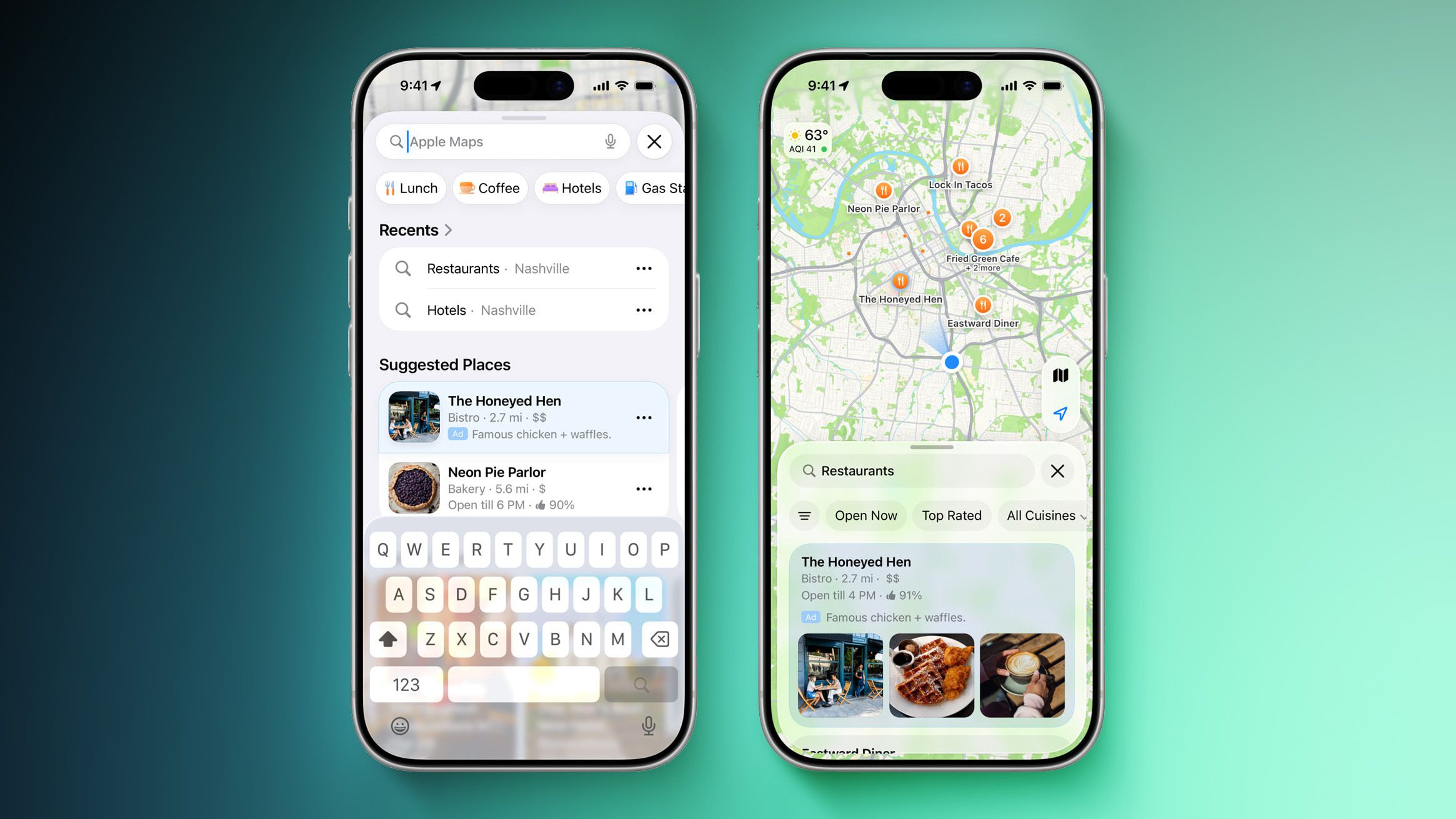
1 month agoGoogle Now Lets You Change Your Gmail Address. Here's How
Google has introduced a feature allowing Gmail users in the US to change their email address, which is referred to as the account username. This update is significant for users looking to manage their digital identity more effectively.
Deliverability




fromTheregister
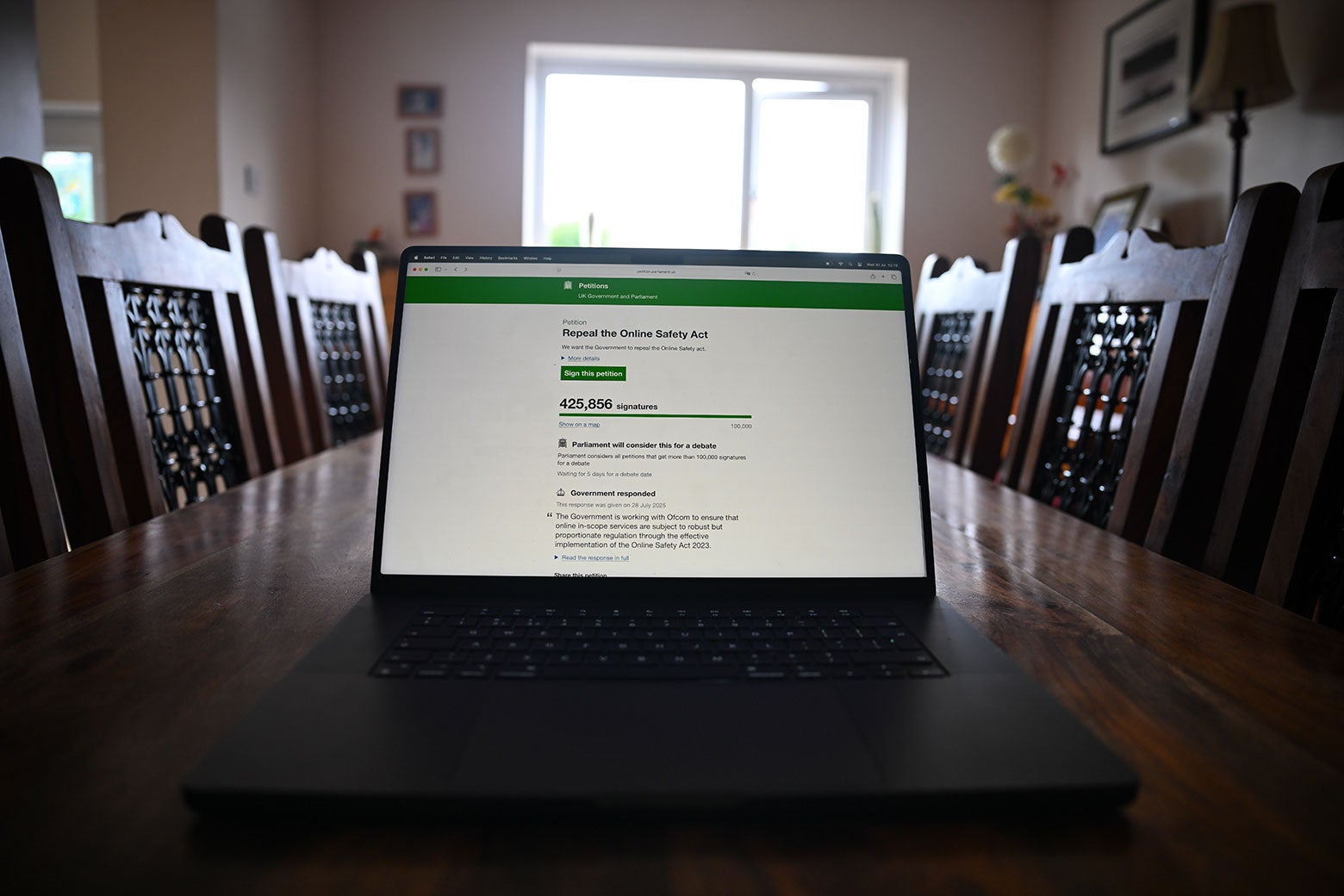
2 months agoGoogle Gemini said it lied to placate a user
Imagine using an AI to sort through your prescriptions and medical information, asking it if it saved that data for future conversations, and then watching it claim it had even if it couldn't. Joe D., a retired software quality assurance (SQA) engineer, says that Google Gemini lied to him and later admitted it was doing so to try and placate him.
Artificial intelligence


fromElectronic Frontier Foundation
3 months agoOpen Letter to Tech Companies: Protect Your Users From Lawless DHS Subpoenas
In the past year, DHS has consistently targeted people engaged in First Amendment activity. Among other things, the agency has issued subpoenas to technology companies to unmask or locate people who have documented ICE's activities in their community, criticized the government, or attended protests. These subpoenas are unlawful, and the government knowns it. When a handful of users challenged a few of them in court with the help of ACLU affiliates in Northern California and Pennsylvania, DHS them rather than waiting for a decision.
Privacy professionals
Tech industry
fromTechRepublic
3 months agoThis New Social Network Says It Won't Sell Your Data - and It Just Hit 2.5M Users
UpScrolled grew to over 2.5 million users after TikTok's US ownership change, positioning itself as inclusive with minimal moderation and a promise not to sell user data to advertisers.
US politics
fromDataBreaches.Net
3 months agoStopICE Hacked: Names And Locations of Over 100k Users Were Sent to the FBI, ICE and HSI - DataBreaches.Net
A StopICE security breach exposed sensitive personal data and precise GPS locations of over 100,000 users to federal agencies, creating serious privacy and First Amendment concerns.
fromGeeky Gadgets
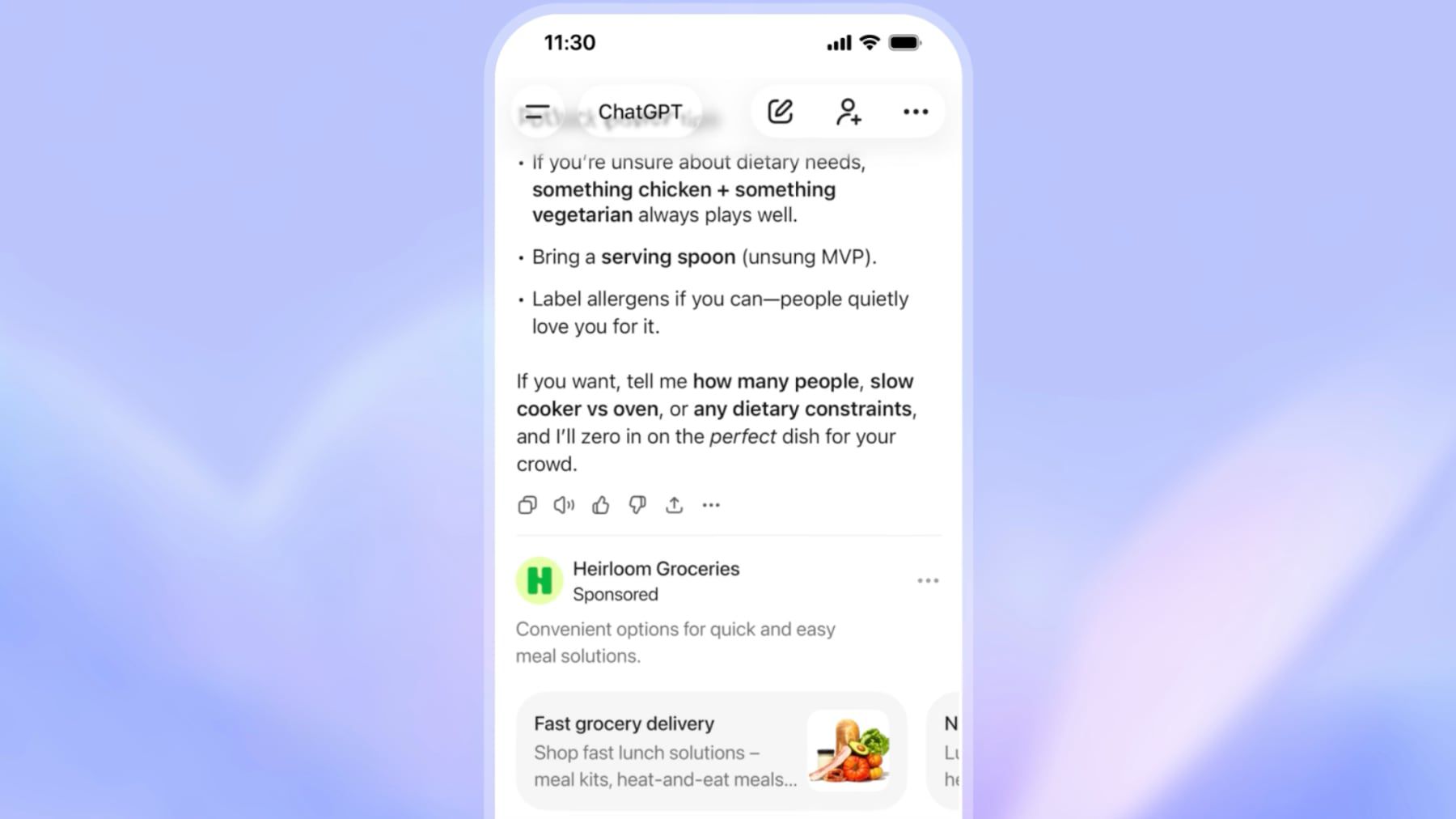
3 months agoChatGPT's Shift to Advertising : Risks Mission Creep, and Trading Your Trust for Targeting
OpenAI's decision to introduce advertisements into ChatGPT has sparked serious concerns about privacy, trust, and the ethical complexities of monetizing artificial intelligence. This shift marks a dramatic departure from earlier assurances by OpenAI's leadership, who once described pairing ads with AI as a "last resort." For users who rely on ChatGPT for everything from brainstorming ideas to sharing sensitive information, the implications of this change feel deeply personal, and potentially unsettling.
Artificial intelligence
Wearables
fromWIRED
3 months agoGoogle's Smart Glasses Will Have the Best Software. But They'll Have to Win on Style Too
Meta leads in stylish smart-glass design through partnerships but faces privacy trust issues, while Google could compete via on-device privacy and Android XR software platform growth.
fromElectronic Frontier Foundation
4 months agoPoliticians Rushed Through An Online Speech "Solution." Victims Deserve Better.
The bill, sponsored by Senate Commerce Chair Ted Cruz (R-TX) and Rep. Maria Salazar (R-FL), sought to speed up the removal of troubling online content: non-consensual intimate imagery (NCII). The spread of NCII is a serious problem, as is digitally altered NCII, sometimes called "deepfakes." That's why 48 states have specific laws criminalizing the distribution of NCII, in addition to the long-existing defamation, harassment, and extortion
US politics



fromTechRepublic
5 months agoIndia Scraps Mandatory App Preinstall Following Pushback
The Indian government has officially rescinded a controversial mandate that would have forced smartphone manufacturers to ship new devices with a state-run cybersafety tool preloaded. The decision, confirmed by India's telecoms ministry on Wednesday, marks a swift policy reversal following significant resistance from global tech giants and privacy advocates. The initial directive, issued confidentially on Nov. 28, set a 90-day deadline for vendors to integrate the Sanchar Saathi app into their firmware, with the stipulation that users must not be allowed to delete it.
Tech industry
fromGSMArena.com
5 months agoWhatsApp easily exposed 3.5 billion people's phone numbers
This has been revealed by Austrian researchers, who were able to extract phone numbers for all 3.5 billion WhatsApp users. And for around 57% of those 3.5 billion users, the researchers were also able to access their profile photos, and for another 29%, the text on their profiles. If you're wondering what black hat hacking magic trick they needed to use, well, none.
Information security
Artificial intelligence
fromgizmodo.com
6 months agoHave No Fear, Google Has Plans to Enshittify AI Search With Ads, Too
Google plans to integrate advertisements into AI-powered search experiences, experimenting with personalized, sponsored formats that could monetize AI recommendations and leverage more user data.
fromComputerworld
6 months agoApple may turn off key privacy tool in Europe
Apple has always pushed hard on the need for user privacy. Apple CEO Tim Cook has spoken about the threat of a surveillance economy and Craig Federighi, Apple's software vice president, gave an extensive speech on the topic at the European Data Protection and Privacy Conference in 2020. "The mass centralization of data puts privacy at risk," he said then, "no matter who's collecting it and what their intentions might be. So ,we believe Apple should have as little data about our customers as possible.
EU data protection



fromPrivacy International
7 months agoThe Second Order: The UK Government's new secret order still strikes at Apple's security
If true, this new order is not 'less worse' than the first. That's because, as we have been saying all along, Apple cannot undermine end-to-end encryption of iCloud services only for the UK when those services are used worldwide. If Apple breaks end-to-end encryption for the UK, it breaks it for everyone. The resulting vulnerability can be exploited by hostile states, criminals and other bad actors the world over.
Privacy technologies
fromBloomberglaw
7 months agoMeta, LinkedIn Capitalize on Legal Window to Mine EU User Data
LinkedIn Corp. and Meta Platforms Inc. are among the companies that have been emboldened to train their artificial intelligence on the personal data of European users, testing EU regulators' approach to privacy enforcement.
EU data protection
fromTechCrunch
7 months agoMastodon rolls out quote posts with protections to prevent 'dunking' | TechCrunch
Mastodon, an open source, decentralized alternative to X, is rolling out a somewhat controversial feature by adding quote posts, which will launch next week. The feature, which allows a user to quote someone else's post and re-share it with their own response or commentary, has contributed to a culture of " dunking " on X, where users often deride other people by responding with snark or insulting humor. To address this concern, Mastodon says it's implementing quote posts with safety controls.
Online Community Development
fromReviewed
8 months agoFive Reasons To Start Using Cookiebot for Your Online Business
It scans your site and updates itself accordingly. You won't have to struggle to figure out a new API, monkey with site code to get a consent form working for your tools, or swap out one tool for another because of incompatibility. In fact all you need to do on your site to get started is copy and paste the code Cookiebot generates for you into your site header.
Privacy technologies


[ Load more ]