Marketing
fromPractical Ecommerce
5 days agoInside Beardbrand's Expansion Plan
Beardbrand plans to regain growth by expanding product categories, increasing Meta ad investment, and scaling creator-driven social and affiliate marketing.
Coach has always been a brand that has balanced magic and logic. It takes both to really bring a great business to life, and Tapestry has embodied those concepts. Magic is the emotional pull, the desire, the charms hanging off a handbag. Logic is the data, the execution, the deliberate targeting of younger consumers that turns desire into revenue.
As search optimisation becomes more complex - with AI overviews, LLM citations, and zero-click results reshaping the landscape - choosing an agency with genuine consulting depth has never been more important. In 2026, the most effective consulting agencies combine deep strategic thinking with advanced technology, data-driven decision making, and a thorough understanding of how software businesses acquire and retain customers through organic search.
Media buying refers to the process of purchasing advertising space across various platforms, including social media, search engines, and traditional media. It's about strategically placing ads where they will reach the target audience effectively.
For marketers yet to turn their attention to the extraordinary customer acquisition mechanic of earned growth, referral might be the last marketing channel to come to mind. For those already giving their customers a participating role in their brand's success, it's the last marketing channel they'd switch off. This was literally true for Lindsay Newell, head of UK marketing at Bloom & Wild, one of Europe's largest online florists.
That $50,000 goes toward turning a brand's "educated guess" into "metrics they're confident about," Titus says. Here's how that test and learn process typically works on Faved: A beauty brand, for example, will typically spend their first $15,000 to $20,000 on 10 differently priced collaborations with beauty or lifestyle influencers whose audiences fit their ideal customer profile. During this step, he adds, the brand's only goal is to figure out which influencer's content drove the most sales at the lowest cost.
Beyond their spending, high-value clients typically engage regularly, remain loyal over time, and align with the company's core offerings. For example, a high-value client that engages regularly could be a regular shopper who purchases often but also always likes and comments on the business's social media posts. These comments and likes on social media can have a positive impact on the business, showing other potential consumers that the business is reputable and valued by others.
The digital economy is shifting faster than most teams can adapt. The Epic vs. Apple ruling, which loosened the App Store's control over payment flows, simply accelerated a transition that was already underway. In practical terms, Epic challenged Apple's right to force developers into using its in-app payment system, opening the door for brands to steer users toward alternatives with different economics. When attribution visibility narrowed under Apple's app tracking transparency (ATT), customer acquisition cost (CAC) climbed.
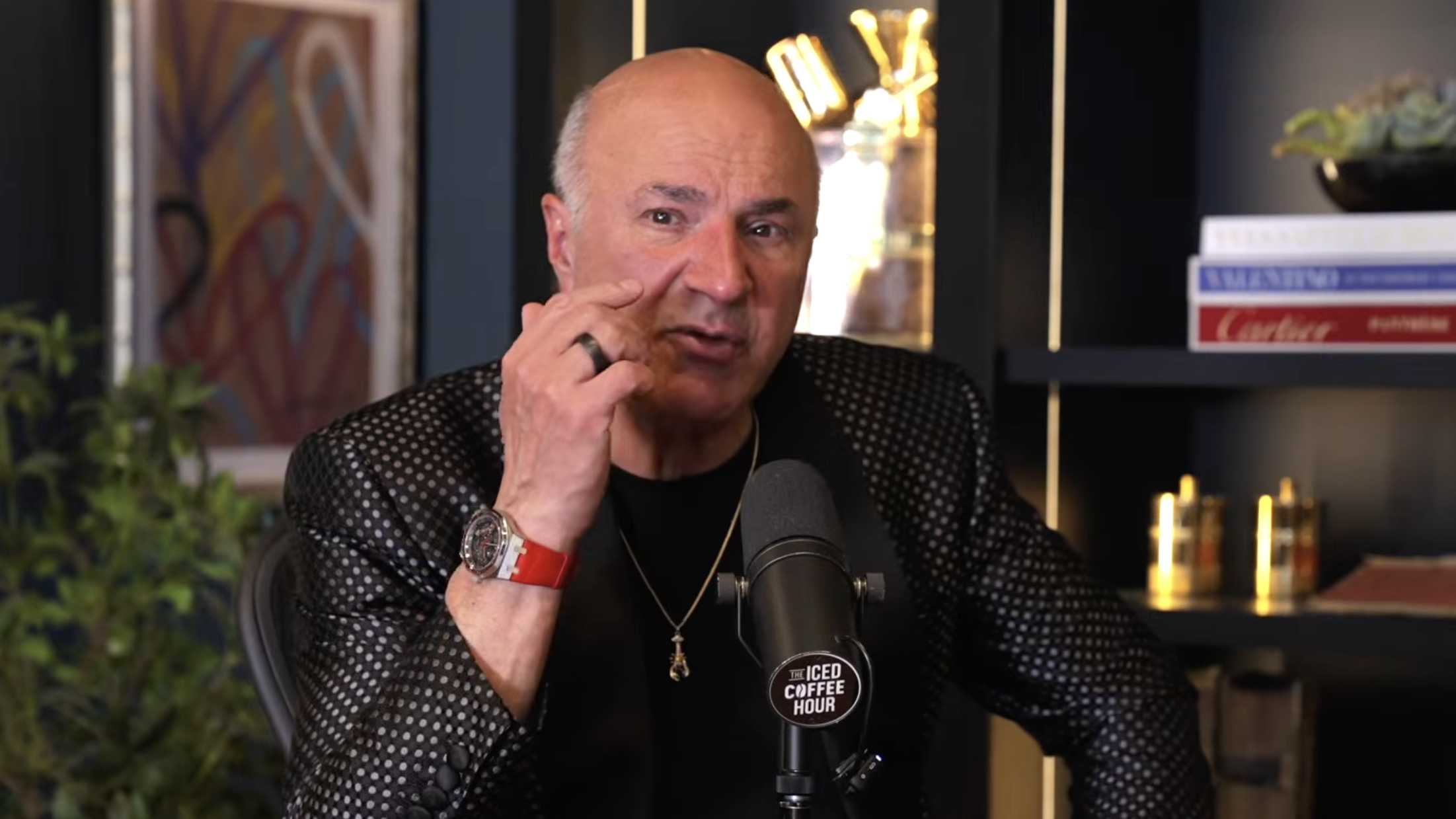
O'Leary's modern money-making idea is to "sell customer acquisition with social media." In essence, he said he would create video content for a business and ask for $100 for every paying customer he earned them. "You'd be amazed at how many business owners have no idea how to use social media, and if you've grown up with a phone in your hand, you do," he said. "It's the best side hustle there is: understanding how to make content for social media."
If Kevin O'Leary woke up broke tomorrow, he wouldn't panic, pout, or panic-buy a lottery ticket. He'd do what millions of people are already trying to do every day-turn their phone into a paycheck. Because in a world where everyone's trying to become a content creator, monetize their Facebook page, or figure out what exactly "engagement" means, O'Leary says there's a better, faster way to make real money.
Small and medium businesses (SMBs) often make up the majority of a company's customer base, yet many are served through generic, one-size-fits-all approaches that lead to poor engagement and conversion. A digital-first customer acquisition strategy can change that. Some companies are already doing this successfully. One Fortune 50 technology company now generates 20% of its total revenue from SMBs by centralizing digital orchestration and automating how it attracts, qualifies, serves and supports small business customers.
As competition for SMB loyalty intensifies, financial institutions are rethinking where the first touchpoint begins. Increasingly, that entry point isn't a checking account or a loan - it's a card. Truist's recent launch of its Business Premium Visa Infinite card fits squarely into that evolution. The super-regional bank is using the card as a relationship anchor: a gateway into an ecosystem of payments, working capital, and treasury solutions built around how small businesses operate.
Marketers expect AI tools that enhance conversion rates or lower customer acquisition costs, rather than just theoretical insights. $64 to $72 billion is expected in 2025 capex, emphasizing the need for practical financial returns.