#fallibility
#fallibility
[ follow ]
#decision-making #mental-health #ai #psychology #personal-growth #artificial-intelligence #self-improvement
#intelligence


Psychology
fromSilicon Canals
1 day ago9 signs you have a genuinely sharp mind (even if you never thought of yourself as particularly intelligent) - Silicon Canals
Intelligence often manifests in quiet observation and attention to detail rather than loud proclamations or traditional measures of success.
Psychology
fromSilicon Canals
1 day agoResearch suggests that high intelligence doesn't protect against bad decisions - it makes people better at constructing convincing justifications for the bad decisions they were already going to make - Silicon Canals
Higher intelligence can lead to greater polarization rather than alignment on contested facts.
Psychology
fromSilicon Canals
1 day ago9 signs you have a genuinely sharp mind (even if you never thought of yourself as particularly intelligent) - Silicon Canals
Intelligence often manifests in quiet observation and attention to detail rather than loud proclamations or traditional measures of success.
#decision-making
Mindfulness
fromSilicon Canals
5 days agoPsychology says the most important life lesson isn't learning to make better decisions - it's learning to live peacefully with the ones you can't undo - Silicon Canals
Irreversible choices shape our lives and learning to coexist with them is crucial for mental well-being.
Mindfulness
fromSilicon Canals
5 days agoPsychology says the most important life lesson isn't learning to make better decisions - it's learning to live peacefully with the ones you can't undo - Silicon Canals
Irreversible choices shape our lives and learning to coexist with them is crucial for mental well-being.

Mental health
fromSilicon Canals
3 days agoPsychology says people who mellow out as they get older aren't the ones who suffered less - they're the ones who decided, at some point and without always knowing they were deciding, that the suffering was going to make them more open rather than less, and that decision, remade daily in small ways that nobody notices, is the entire difference - Silicon Canals
Emotional responses to life's challenges can change over time, leading to greater peace and stability despite ongoing difficulties.
Relationships
fromSilicon Canals
2 days agoMost people don't realize that the dishonest people in their lives rarely lie about facts - they lie about their intentions, and that specific distinction is why you keep feeling confused rather than simply hurt - Silicon Canals
Intention lies involve sharing true facts with hidden motives, making them difficult to detect.
Psychology
fromSilicon Canals
5 hours agoPsychology says the adults who seem the most indifferent aren't cynics - they've simply been disappointed so many times that their nervous system reclassified hope as a threat - Silicon Canals
Indifference may stem from a nervous system response to past trauma, where hope becomes associated with pain and disappointment.
#artificial-intelligence
Philosophy
fromFast Company
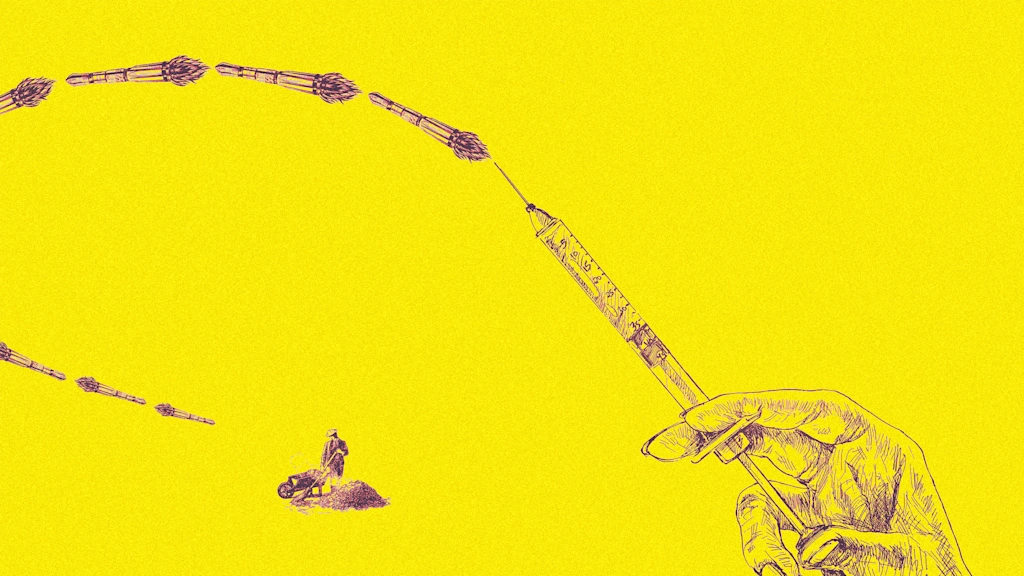
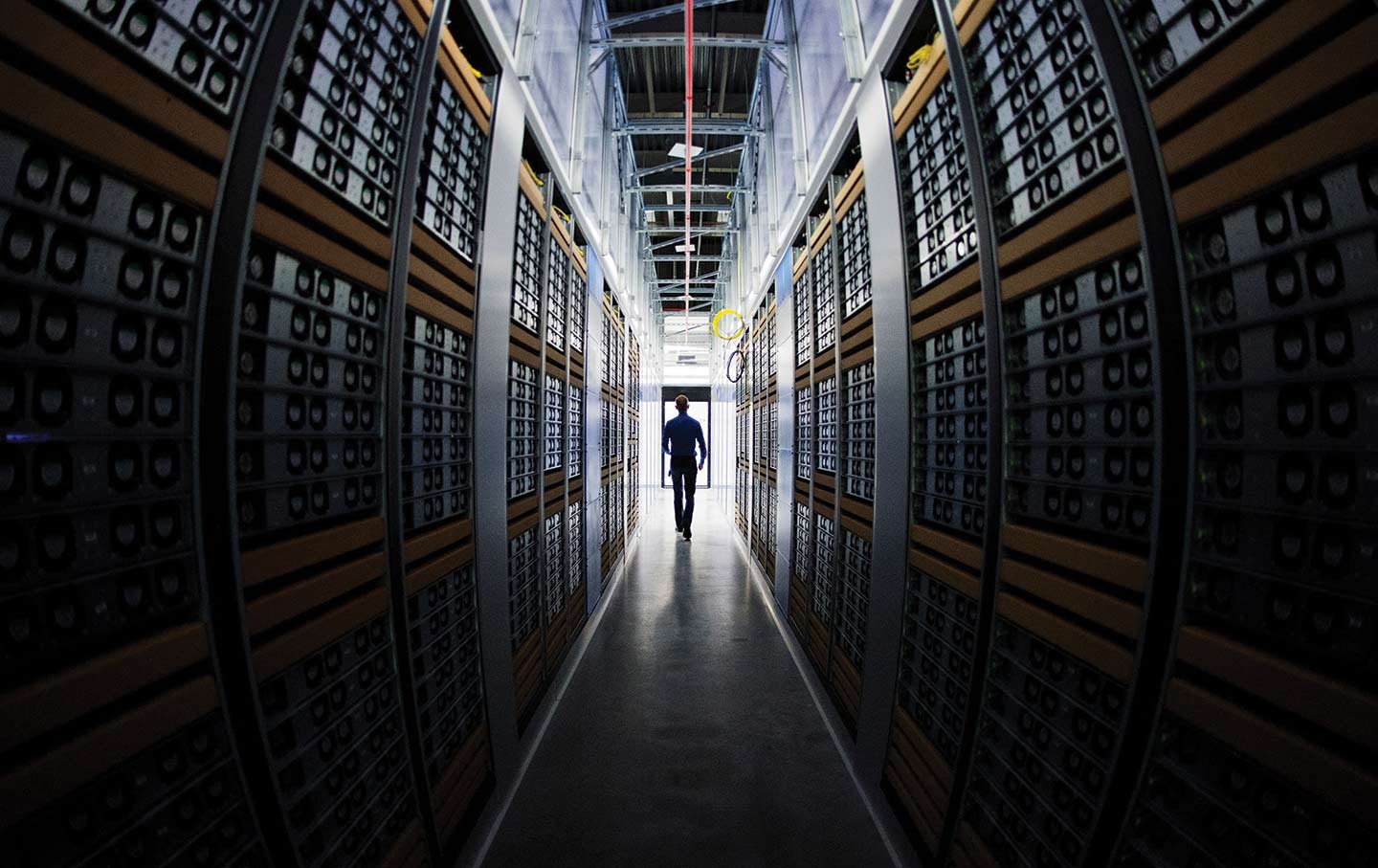
1 day agoTwenty seconds to approve a military strike; 1.2 seconds to deny a health insurance claim. The human is in the AI loop. Humanity is not
Artificial intelligence significantly accelerates decision-making in military and business contexts, but human oversight may be minimal and ineffective.
Mindfulness
fromSilicon Canals
1 day agoPsychology says the people who look back at the end of their lives with the least regret aren't the ones who made the fewest mistakes - they're the ones who were most fully present for the life they were actually living, who didn't spend it waiting for a better version to begin, who loved the people in front of them rather than the idea of people, and who understood, early enough to act on it, that this was always the whole thing and there was never going to be another one - Silicon Canals
Presence, not perfection, leads to a life without regret at the end.
Psychology
fromSilicon Canals
1 day agoPsychology says people who want to change their lives but never start aren't lazy - they're waiting for a feeling of readiness that behavioral science confirms almost never arrives on its own - Silicon Canals
Feeling ready to act is often a byproduct of taking action, not a prerequisite.
Mindfulness
fromSilicon Canals
2 days agoPsychology says people who constantly research self-improvement but never start aren't lazy - they've confused the feeling of learning with the feeling of changing - Silicon Canals
Learning about self-improvement can create a false sense of progress without actual change in behavior.
Mindfulness
fromSilicon Canals
4 days agoThe older I get the more I notice that my body remembers arguments my mind has forgiven. A tone of voice, a specific pause before someone speaks, a door closing at a certain speed. Forgiveness turned out to be a cognitive event that the nervous system never agreed to. - Silicon Canals
Forgiveness involves both conscious decisions and unconscious bodily responses, highlighting the complexity of emotional healing beyond mere intention.
Psychology
fromSilicon Canals
1 day agoResearch suggests that self-compassion after failure - not self-criticism - is what predicts whether someone tries again, which means being hard on yourself isn't discipline, it's the thing that ends it - Silicon Canals
Self-compassion, not self-criticism, fosters resilience and encourages individuals to recover and try again after failure.
Psychology
fromSilicon Canals
2 days agoSome people don't cancel plans because they're flaky. They committed when one version of their energy was available and the person who wakes up that morning is operating on a completely different reserves system. The commitment was real. The capacity isn't. - Silicon Canals
Cancelled plans reveal a flawed assumption about self-consistency and commitment, suggesting a need for a new understanding of social expectations.
Psychology
fromSilicon Canals
3 days agoThe people who always have a backup plan aren't pessimists. They grew up in environments where promises were unreliable, and redundancy became the only architecture that didn't collapse when someone changed their mind without warning. - Silicon Canals
Obsessive planners are often generous, driven by past experiences that teach them to prepare for uncertainties.
Psychology
fromSilicon Canals
3 days agoPsychology says people who feel like they've been living someone else's life aren't confused or ungrateful - they're often the ones who were so good at adapting in childhood that they never stopped adapting long enough to find out who they actually were - Silicon Canals
Adapting to others' needs in childhood can lead to feeling disconnected and lost in adulthood.
Psychology
fromSilicon Canals
4 days agoSelf-taught people often don't realize it, but psychology says the way they solve problems is fundamentally different from most people - Silicon Canals
Self-taught individuals develop unique cognitive patterns that enhance problem-solving through exploration and unfocused thinking.
fromPsychology Today
2 months agoWhen Thinking Becomes Optional
Minutes into teaching my business school class, I asked what seemed like an innocent question: What is one word that describes how you feel about AI right now? One word. That's it. My students looked up, looked down, looked anywhere to avoid eye contact. Silence. "I promise," I said, "this is a safe space." Something I'd repeat throughout the course-and I meant it. Then the answers came quickly, and the energy in the room shifted as they arrived. You could feel the sheen of performance
Marketing
Psychology
fromSilicon Canals
6 days agoPsychology says people who command the most respect in a room aren't the loudest or most confident - they're the ones who can disagree without making others feel stupid for having believed something different - Silicon Canals
Respectful disagreement fosters genuine influence and encourages open dialogue.
fromPsychology Today
2 months agoWhy 'Think Rationally' Isn't Always the Answer
In January 1986, NASA engineers knew the Space Shuttle Challenger's O-rings had never been tested in freezing temperatures. They recommended delaying the launch. Managers asked: Could the engineers prove it was unsafe? They couldn't-they could only say the system hadn't been designed for these conditions. Under pressure, the engineers withdrew their recommendation. The next morning, Challenger broke apart 73 seconds after launch, killing all seven astronauts.
Philosophy
fromBig Think
2 months agoYour brain loves labels - even when they limit your potential
When I first met Rashida, she introduced herself with a disclaimer: "I'm a little intense." She said it with a grimace, as if the label left a bad taste in her mouth. I replied, "Good to know. What else should I know about you?" She told me she was a mother, a recent pickleball enthusiast, and a leader in risk and compliance at a Fortune 500 company. I thought maybe such a role demanded intensity, but I still asked, "Where does that 'intense' label come from?"
Mindfulness
fromPsychology Today
2 months agoThe Cause Illusion
Ever since our ancestors first stood upright and squinted at the horizon, we've been wired to notice patterns. A rustle in the grass might have meant a stalking predator. Dark clouds often meant rain. Those who made these connections and guessed that one thing caused another tended to survive. Over time, this ability to link events became one of our most significant evolutionary advantages. It's how we built tools, tamed fire, and eventually invented Wi-Fi.
Psychology
fromPsychology Today
1 month agoDaily Prophets: How Your Brain Predicts the Future
I am a worrier, and have been for most of my life. At some point, someone dear and smart teased me that I worry about the wrong things. The things that hit me, she noted, were never the things I worried about. For a while that left me feeling like an incompetent worrier-until my research caught up. I realized that the things I worry about often don't end up hurting me precisely because worrying helps me diffuse them ahead of time.
Psychology
[ Load more ]