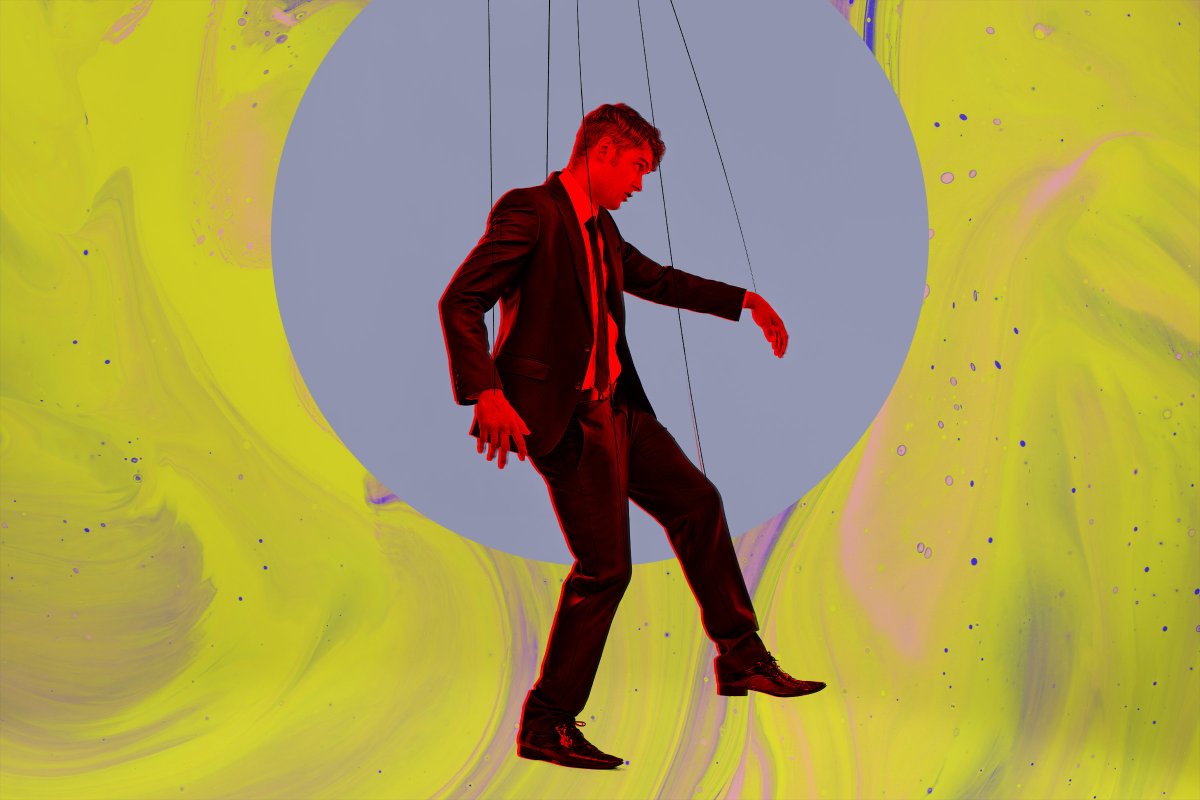
Elon Musk and Tesla are touting the company's Optimus robot as its next revolutionary moneymaker, but after several incidents, some are questioning how autonomous it actually is. During an event titled "autonomy visualized" at a Tesla location in Miami over the weekend, one of the humanoid robots handing out water bottles fell backwards after making upward motions toward its head with both hands, according to a video posted to Reddit.
In eLearning's embrace of AI, like with our very own learners, there is the understanding that the human comes first. In Machine Learning, this is the human-in-the-loop (HITL), where humans help the machine make the correct decisions. In Instructional Design, this is the understanding that the designer imbues their humanity into their coursework to ensure a relatable, accurate, engaging learning experience, and not merely an efficient production.
In recent years, leading artificial intelligence labs and startups have released AI software designed for tasks of ever-growing complexity, including solving PhD-level math problems, reasoning through complex questions step-by-step, and using tools like web browsers to carry out intricate tasks. The role of AI engineers in making that happen is well-documented- and often well-compensated. But less publicized is the role of a growing army of freelance experts, from physicists and mathematicians to photographers and art critics, enlisted by companies specialized in AI training, itself a multibillion-dollar industry.
Before an attacker ever sends a payload, they've already done the work of understanding how your environment is built. They look at your login flows, your JavaScript files, your error messages, your API documentation, your GitHub repos. These are all clues that help them understand how your systems behave. AI is significantly accelerating reconnaissance and enabling attackers to map your environment with greater speed and precision.
Imagine driving across town during rush hour. You might have a planned route, but traffic jams, roadwork, or weather force you to adapt - taking detours, checking traffic apps, looping back, or even stopping for coffee until things clear up. That's because our interactions with reality rarely follow a script; they're a series of adjustments and feedback loops. As the technology landscape continues to evolve, established practices are giving way to innovative solutions.