#public-art-collections
#public-art-collections
[ follow ]
#contemporary-art #art #community #art-exhibition #community-engagement #public-art #civic-architecture
fromOregon ArtsWatch * Arts & Culture News
1 day agoSpecial series: -Ism Storytellers, mixed race * Oregon ArtsWatch
In 2025, Dmae Lo Roberts embarked on a statewide storytelling experience focusing on personal stories from both artists and community members. These stories are a form of living oral history.
Portland
Berlin
fromwww.theguardian.com
1 day agoA weird dream' of an arts festival began 10 years ago in the California desert can it survive its growing popularity?
The Bombay Beach Biennale is a unique art festival that combines counter-culture, community engagement, and environmental revitalization in a desolate California town.
fromOpen Culture
4 days agoExplore 1,000,000 Digitized Artworks from Across the UK: Paintings, Sculptures, Street Art & More
Art UK has taken it as its mission to digitally unite one million artworks from 3,500 institutions. This free-to-all portal connects everyone with the UK's public art collections.
London
fromdesignboom | architecture & design magazine
2 days agosanctuary of dreams: toguna world's digital temple for collective visioning
The Sanctuary of Dreams operates as a collective framework for imagining futures, developed within the universe of Toguna World to reactivate dreaming as a shared cultural practice rather than an individual act.
SOMA, SF
fromArchDaily
3 days ago"Material Is Where the Story Begins": Studio NEiDA on Building Through Craft and Context
Studio NEiDA operates at the intersection of architectural practice, research, and curatorial work, focusing on how buildings emerge from the material and cultural conditions of a place.
Design
fromMpls.St.Paul Magazine
5 days agoDesign Destinations: New York City
"It's a really special spot. When you start at the top and move down the gently sloped ramp, you almost feel like a marble tumbling down, looking at art as you roll by. The slight slant plays with your sense of perspective and grounding."
NYC food
fromTime Out New York
5 days agoEdge is getting a wild immersive makeover this summer
The entire indoor journey, from entry to elevator to the 100th floor, has been reimagined as a multi-sensory, immersive environment. The overhaul comes via a collaboration between experiential design firm Journey, multimedia studio Moment Factory and NYC-based design outfit SOFTlab.
NYC music
fromdesignboom | architecture & design magazine
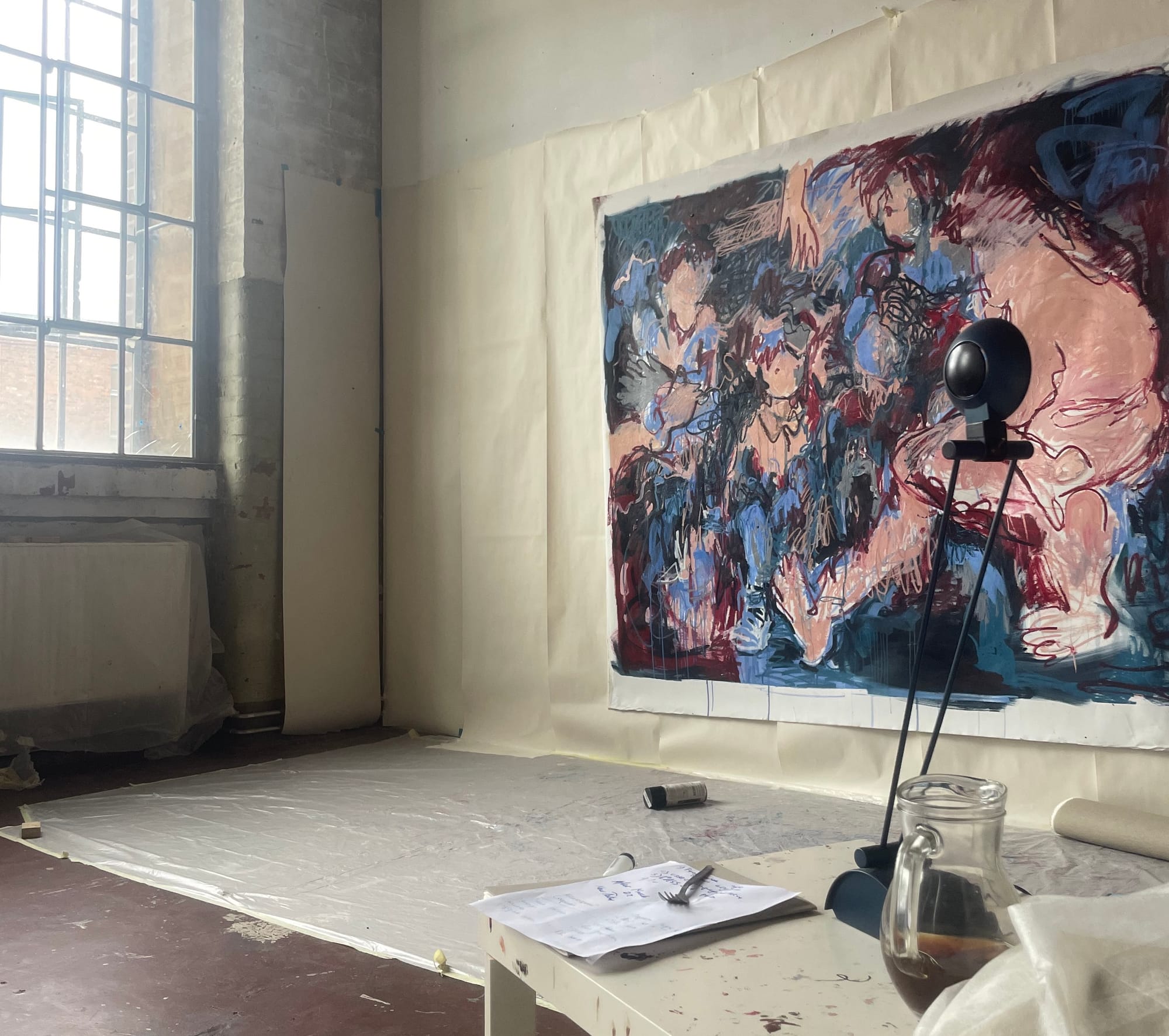
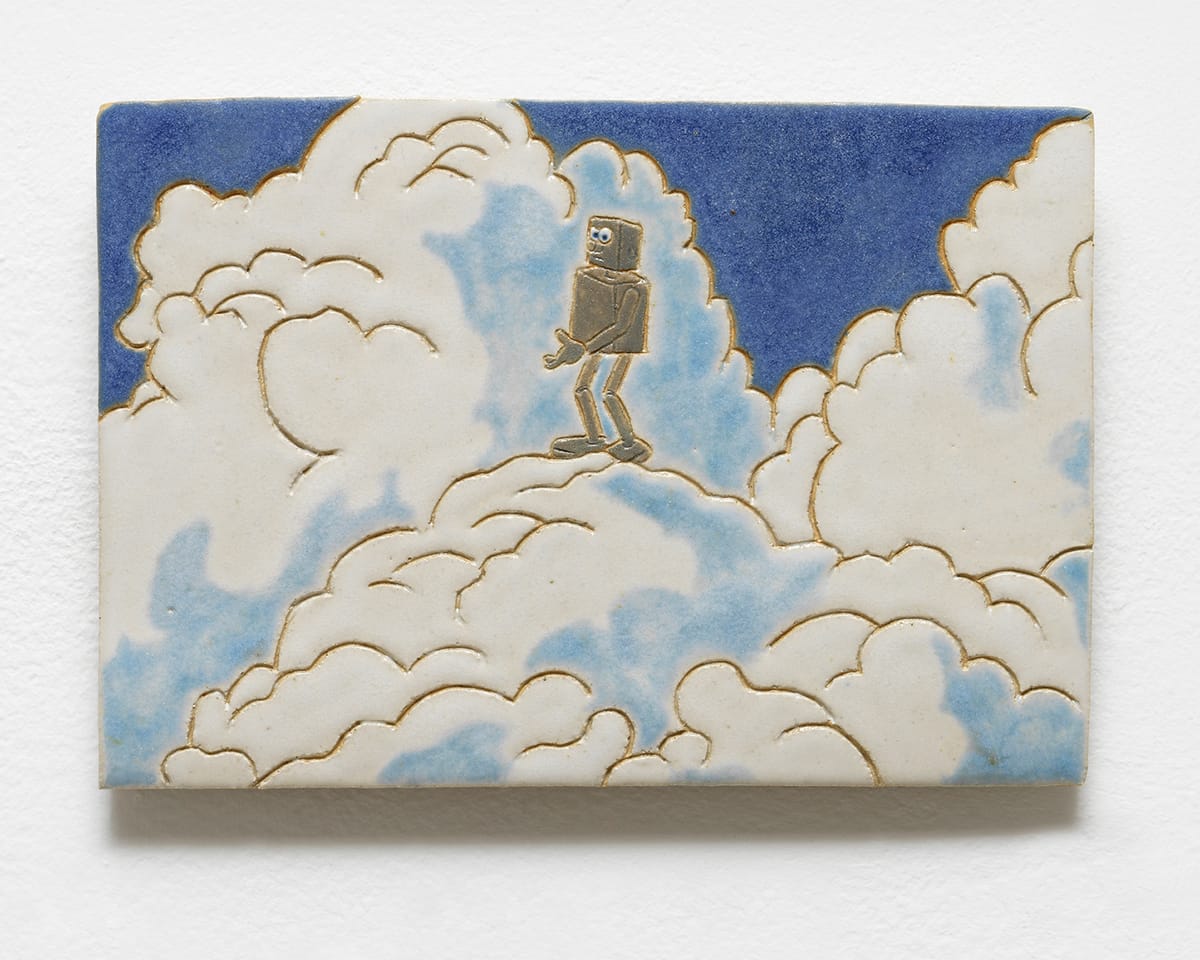
2 days agocarsten holler on the 'most powerful architect' and collective experience at MIT museum
The dream is the confusion machine I didn't have to build, a space where perception slips beyond authorship. Within Communal Dreams, influence operates as a subtle signal rather than a directive force.
Berlin
#michelangelo-pistoletto
Arts
fromThe Art Newspaper - International art news and events
5 days agoArtist Michelangelo Pistoletto sends message of 'preventive peace' on digital billboards around the world
Michelangelo Pistoletto's public art project 'Three Mirrors' promotes 'preventive peace' through reflective works displayed globally.
fromOregon ArtsWatch * Arts & Culture News
5 days agoRemembering Steven Oshatz: "Marking the contours" * Oregon ArtsWatch
Oshatz worked on a monumental scale to represent underwater scenes, creating a full stage silk backdrop. He also designed hand painted silk waves that dancers moved across the stage.
Portland
fromBrooklyn Paper
5 days agoWhere are Brooklyn's "recreation deserts," and what can be done to fix them? * Brooklyn Paper
"Brooklyn has always been a place where movement is part of daily life. But today, Brooklynites, like all New Yorkers, are moving less, feeling more isolated and dealing with elevated rates of chronic diseases."
Brooklyn
fromArchDaily
1 week agoThe Illusion of Lightness: Designing Civic Voids for Public Life
The original intent of pilotis was to create a sense of lightness that would allow circulation and light to flow beneath a structure, but contemporary requirements render thin columns insufficient for large-scale civic projects.
Renovation
#obama-presidential-center
Arts
fromdesignboom | architecture & design magazine
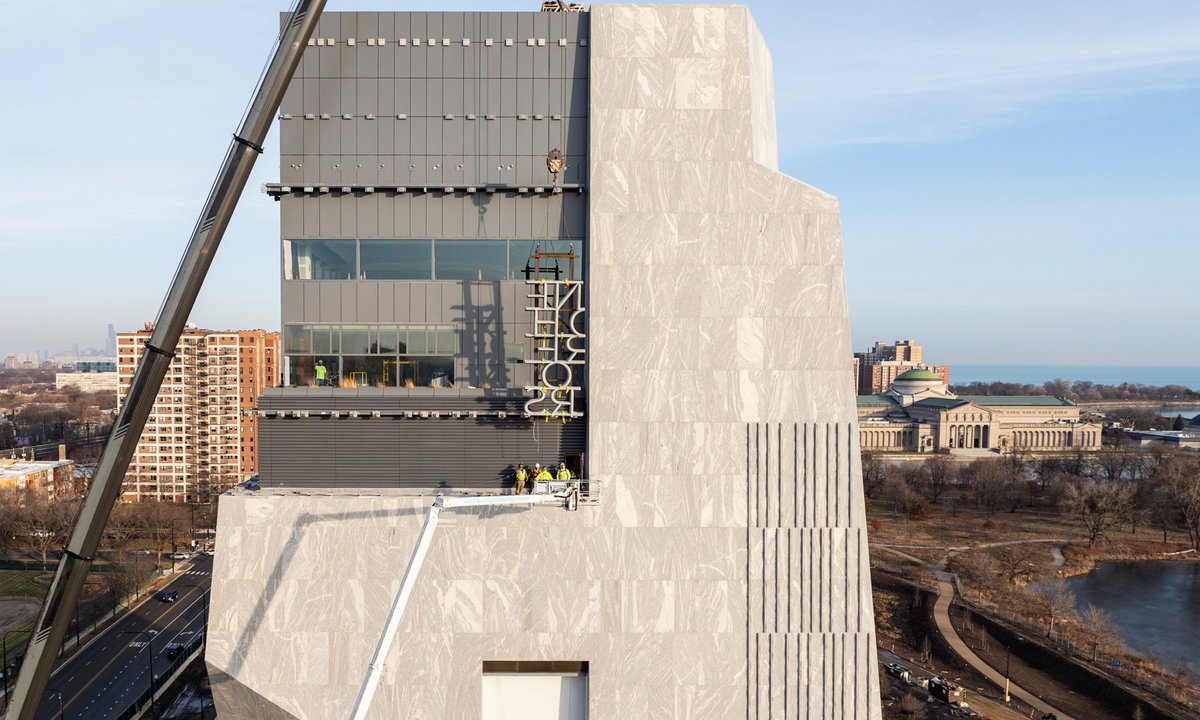
2 days agoobama presidential center set to open with site-specific artworks and sculptures on campus
The Obama Foundation has commissioned a final group of artists for the Obama Presidential Center, showcasing diverse artworks that reflect the Obamas' legacy.
fromArchDaily
1 month agoArchiving the Technosphere: How Museum Architecture Mediates Human-Made Systems
The contemporary technology museum has emerged as a performative participant in the systems it seeks to document. The architecture of these institutions has become increasingly fluid and bold, often mirroring the velocity and complexity of the systems it houses. They operate as mediators between the human, the ecological, and the technological realms, transforming from encyclopedic warehouses into active educational engines.
Science

Arts
fromThe Art Newspaper - International art news and events
3 days agoPhiladelphia art museums celebrate America's 250th anniversary with blockbuster two-venue show
Philadelphia's 250th anniversary celebrations feature a major art exhibition reflecting diverse American identities and encouraging self-examination.
fromHyperallergic
3 days agoDavid Novros's Portable Murals
Seeing the Alhambra in Granada was an extraordinary experience for me. It was the first time that I understood painting as something other than an object hanging on a wall. I thought that paintings could be in a fixed place, made for that place, made for the light of the place, experienced kinesthetically.
Arts
fromArchDaily
1 month agoShaping Architectural Continuity: 25 Revitalization Projects Across Historic, Industrial, and Natural Sites
Heritage sites constitute complex spatial archives in which architecture, history, and collective memory converge. They encompass a wide spectrum of contexts-from archaeological remains, ancient and historic townscapes, UNESCO-listed landscapes, to early modern civic structures and industrial infrastructures. Yet these environments confront challenges: climate change, urban transformation, disaster, shifting social needs, and the gradual erosion of material fabric. Revitalization and restoration projects respond to these conditions by positioning architectural and spatial practice as an active mediator between preservation and the contemporary topologies.
Renovation
fromThe Art Newspaper - International art news and events
2 weeks agoComment | Museums must be the leaders in a moral revolution
Bregman claims, 'Today the whole of Europe risks turning into one big Venice, a beautiful open-air museum. A great destination for Chinese and American tourists. A place to admire what was once the centre of the world.' This statement encapsulates the concern that Europe is losing its cultural significance.
Arts
[ Load more ]