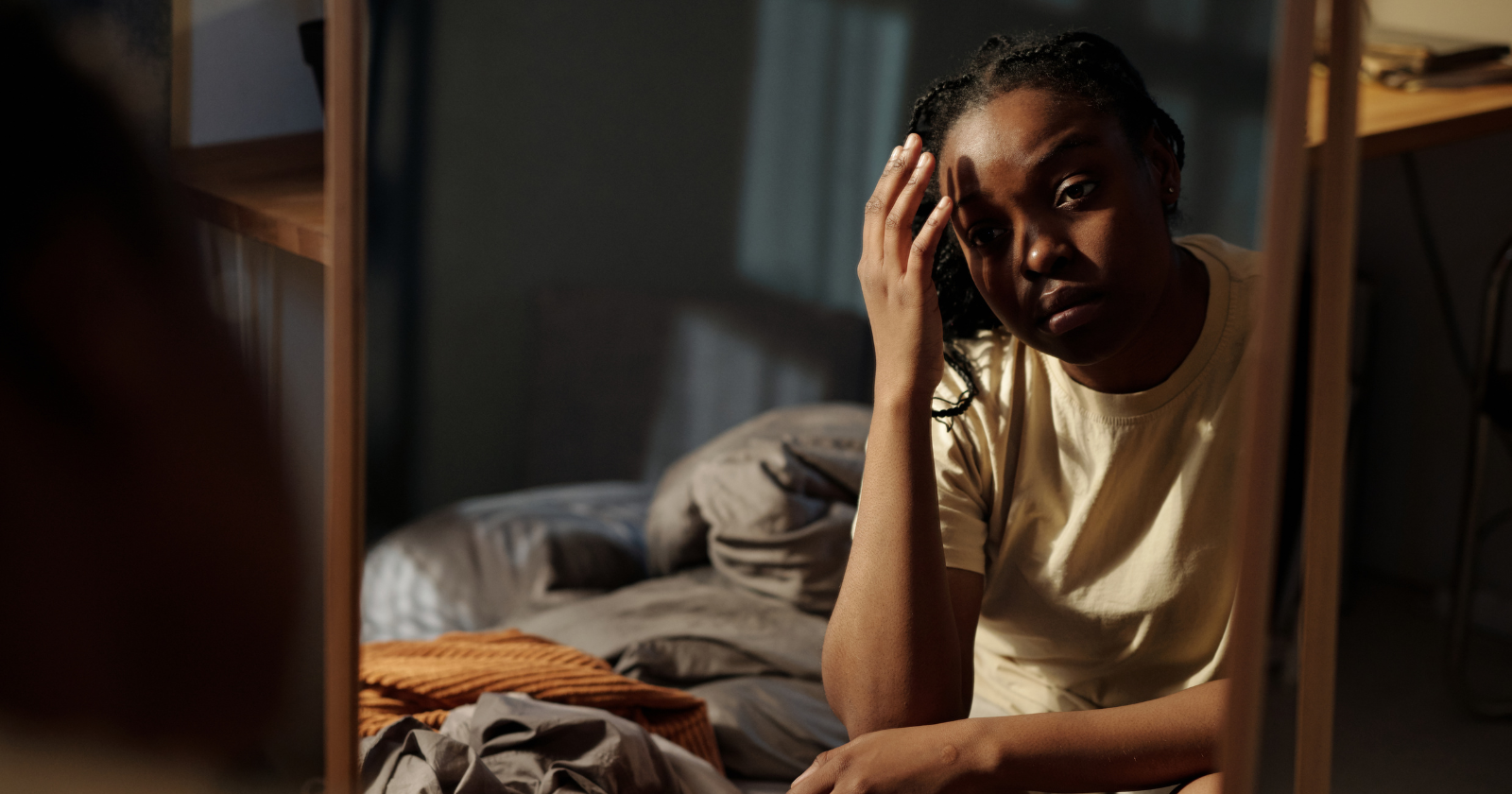
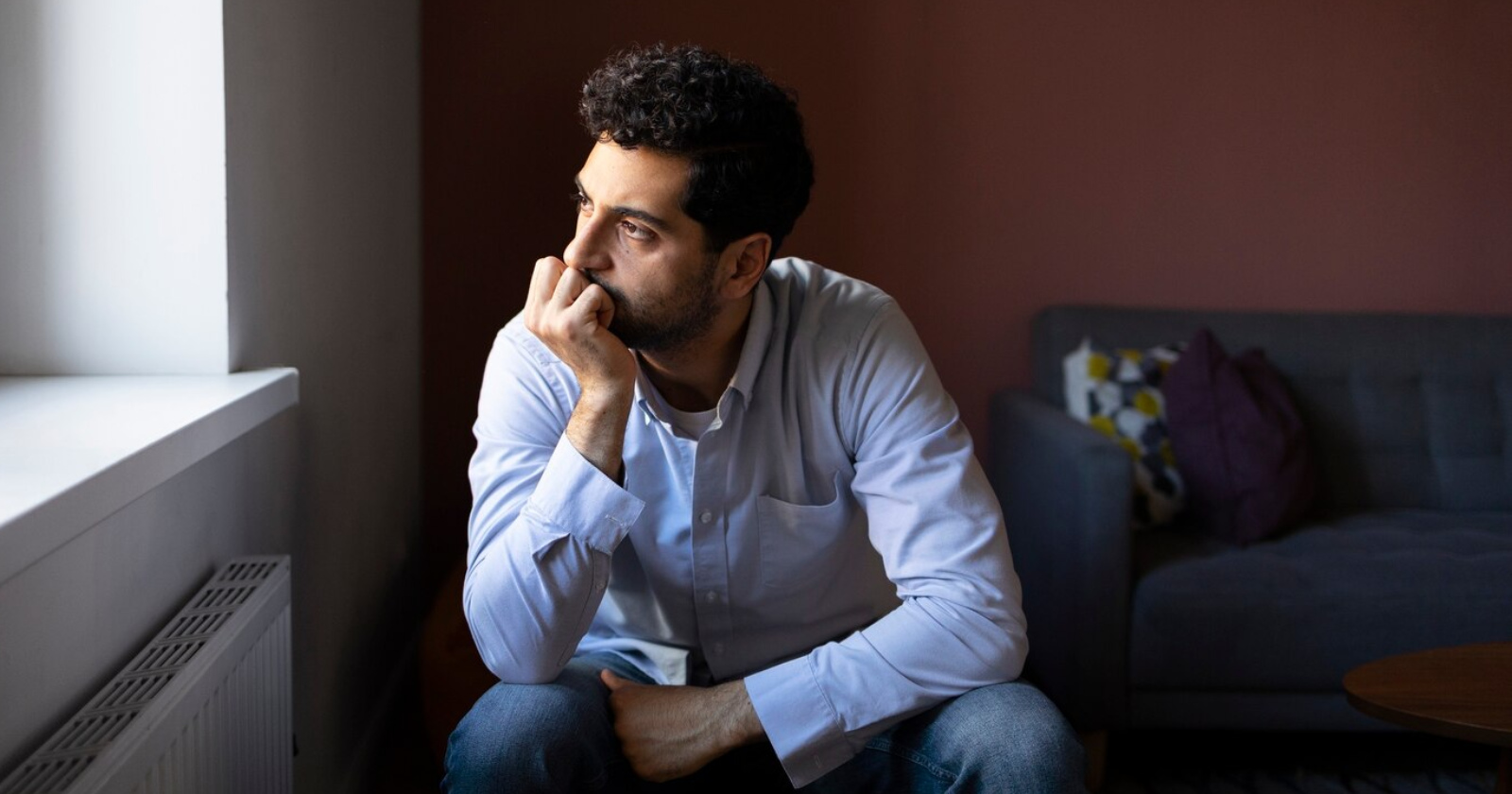
I can't work up the courage to talk to any of my friends when I'm having mental health issues. It hits the worst for me usually at 4-5 am, and I never want to wake anyone up when I'm having panic attacks that late due to my intrusive thoughts, even though being around people helps. I'm in a safe place and have a therapist/medication, but it feels like I'm not getting better every time I find myself back in this situation.
You can ask him to be your boyfriend. Or, if you don't want to be that direct, you can tell him that you are interested in taking the relationship to the next level and you want to know what he's interested in. If he feels you're heading toward a committed relationship, it's fair to ask questions like, how long is this road to a relationship? Are there any obstacles that you see? How fast are we traveling?
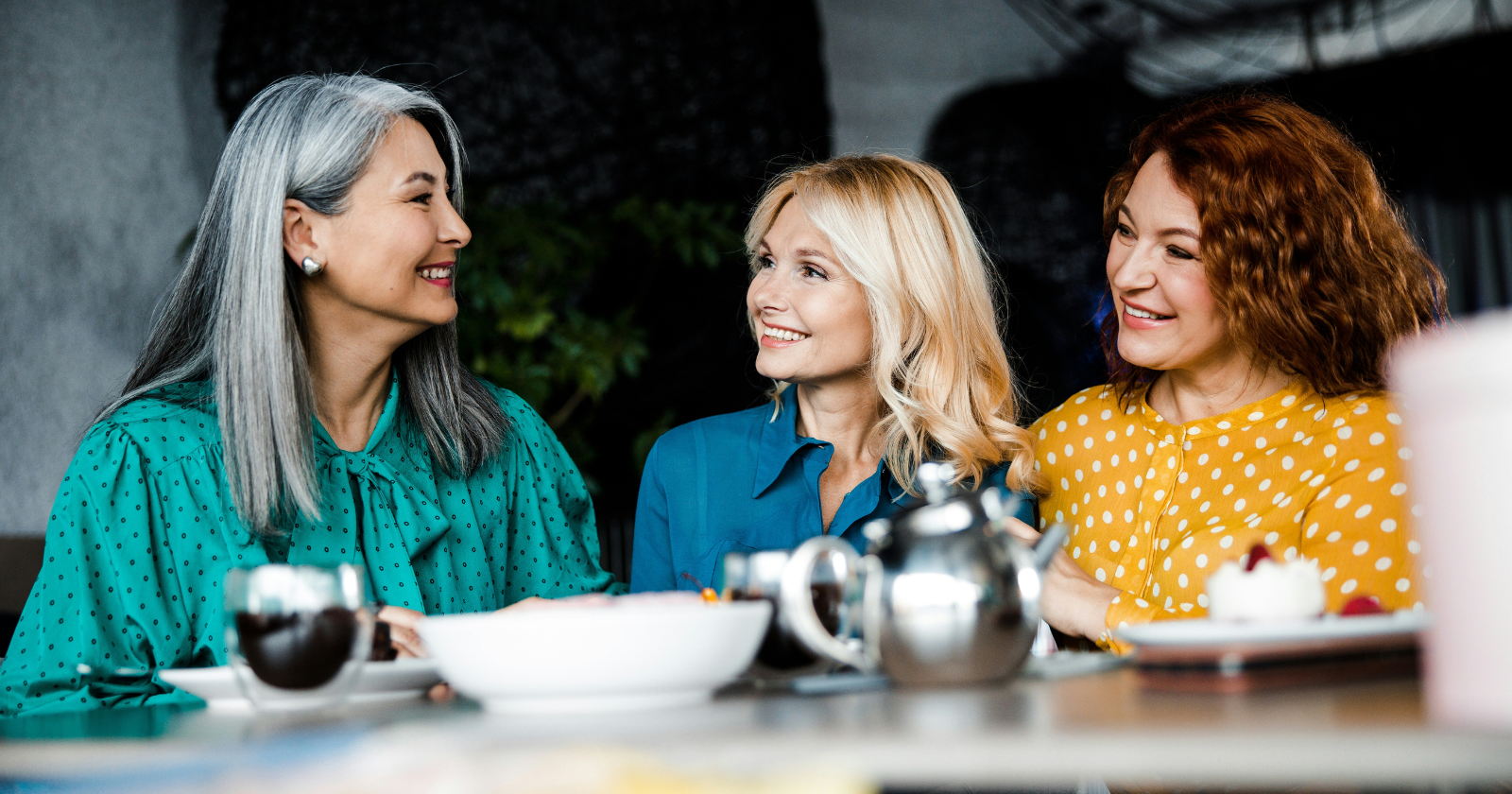
Almost two in three women over 50 in the UK struggle with their mental health as they deal with menopause, relationship breakdowns and changes to their appearance, a survey has found. Brain fog, parents dying, children leaving home and financial pressures can also trigger difficulties such as sleeping problems, feeling anxious or overwhelmed, and a loss of zest for life.
BBC Jodie was surrounded by smiling faces at her 21st birthday party, but most were people she had not known for more than a month. The party had been organised for her by the London International Christian Church - a Bible-based non-denominational church, according to their website - into which she had recently been baptised. She was told by her "discipler", or church mentor, she says, that she could not invite any friends from outside the church - only a handful of family members.
In 2022, the world watched aghast as Russian troops invaded the European country of Ukraine. A group of psychologists viewed this as an opportunity to conduct a natural experiment to monitor how the stress and fears of being in a country under attack and at war would impact people's viewing of pornography. By this point, it was well-established that many people use pornography as a way to cope with loneliness, stress, and depression.
mobile phones were far from universal and our social lives were mostly physical and local. In the 25 years since, technology has changed how we live in profound ways. Most people check their phone within minutes of waking and return to it on average 186 times a day. Computers and the systems that sit behind them mediate every aspect of modern life, shaping how we move through the world.
Early in my career, I was going through a difficult chapter in work and life. Having moved down to London from Glasgow, I felt socially untethered, unsure of where I belonged. I yearned to feel part of a gang like I'd done back home, but I had no clue about how to find one. A bruising experience of redundancy hadn't helped matters.
The smell of fried fish and peeled oranges was already drifting through the room, rising from the kitchen and spilling onto other students' plates. It turned her stomach. An hour earlier, she'd been hungry, but now her appetite vanished. Fish and oranges were among several smells that quietly shut down her desire to eat, transforming hunger into aversion. Emma also noticed that her friends didn't seem affected by the odors that overwhelmed her.
Defined by dietitian Christy Harrison, author of and The Wellness Trap, diet culture refers to the harmful belief that our health and value is defined by our body size and shape. This system insists that worth is tied to weight, leading to deep food shame and the marginalization of anyone who doesn't fit a narrow "ideal." It functions by labeling food as "good" or "bad," eventually tricking us into believing we are "good" or "bad" based on what we eat.
As the days draw in and temperatures drop, sacking off work Christmas drinks in favour of a night in can seem like an appealing option. But avoiding socialising with your colleagues or friends could do you more harm than good in the long run, putting you at greater risk of developing Alzheimer's, according to scientists. They said their findings showed social interaction, such as Christmas drinks and family gatherings, can boost your cognitive health as well as your mental health.
You can't download a crafting experience. While you may look up instructions, the digital world doesn't offer the feeling of a pencil on a sketchpad, wool yarn through your fingers, or shaping clay into a new vessel. It's an analog experience that more people are craving: sitting down to create something, meeting a new group of people, or being exposed to new ideas.
"It is a beautiful feeling that allows you to discover new things, but it also makes you feel very unhappy and lonely." This paradoxical description comes from a research participant in TĂ¼rkiye in our multi-country investigation of social connection. In TĂ¼rkiye-a culture synonymous with çay (tea) shared among friends and legendary hospitality- loneliness wears an unexpected face. TĂ¼rkiye reports high loneliness rates despite cultural traditions emphasizing warmth and connection.
The industry, born in Japan in the early `990s, now accounts for about 300 businesses in the country. Ideas ping-ponged about and the screenplay underwent various changes, all as a tumultuous period of isolation and upheaval spread out across the globe during the COVID-19 pandemic and shutdown. Not so ironically, a primary theme in Rental Family is our need to get out there, find authentic connections and form tight-knit communities beyond bloodlines.
AI can do a lot of things. It can write your emails. It can make your grocery list. It can even interview you for a job. But now, more and more people are depending on AI for things that require real human qualities: life coaching, therapy, even companionship. Scott Galloway, best-selling author and professor of marketing at New York University's Stern School of Business, says the real problem with synthetic relationships is what they lack: any kind of struggle or challenge that comes with maintaining real
"Having just finished my addictions, I had difficulty interacting with people and making social connections," Gilbert said during a recent interview. "The only lifestyle I knew was going to bars, just drinking. I get emotional remembering I was very lonely at the time." Gilbert then started coming to Openhouse and connected with Andrew, a young volunteer in our Friendly Visitor Program where volunteers of all ages are paired with LGBTQ+ older adults for social connection and companionship.
One minor but arresting fact of U.S. history is the huge amount of alcohol the average American consumed in 1830: 7.1 undiluted gallons a year, the equivalent of four shots of 80-proof whiskey every day. Assuming some children wimped out after the first drink, this statistic suggests that large numbers of Jacksonian-era adults were rolling eight belts deep seven days a week, with all the attendant implications for social and political life.
I love every quiet corner of home: my armchair, angled for a perfect view of bird goings-on and bleak skies outside; my marshmallowy bed; the sofa, stacked with blankets; the kitchen (I don't cook, but it's where snacks live). What could be nicer than sinking into the stifling embrace of multiple heated throws as a jacket potato crisps up in the oven and I succumb to a smorgasbord of good winter telly?
Social isolation has been rising in the United States for the past two decades, which was only exacerbated by the COVID pandemic. This has long been a growing public health concern (Office of the Surgeon General, 2023). The strength of social connection has been shown to be a strong short- and long-term predictor of mental and physical health (OSG, 2023).
While the saying goes no man is an island, I beg to differ, as I am married to one. My husband has little to no patience with anyone, family included. He has always been negative, and as he grows older, it has grown 10 times worse. Over the past 15 years, my husband has alienated most of his (our) friends to the point where he no longer has any contact with them. He literally walks away from them in public.
"In my opinion, it's because the natural, human interaction that used to be part of daily life is no longer there. For example, growing up, my neighborhood was FULL of kids who all played outside. Riding their bikes, running around, inevitably meeting other kids, and navigating those interactions. There was no internet, no phones - just human interaction. A lot is learned through that."
Earlier this year, a CNN story featured a Japanese prison that looked more like a nursing home. The story was striking: Some older adults in Japan are so lonely that they intentionally commit minor crimes to gain access to regular meals, healthcare, and companionship behind bars. This poignant example is not an anomaly. It signals a profound global challenge: how societies care for an aging population.
Earlier this year, I could typically be found in my college apartment in Syracuse, New York. The space may not have been ideal, with its cracking plaster and creaking staircase, but when the lease came to an end, my roommate and I weren't ready to say goodbye. Our apartment had been the home of weekly wine nights, tarot readings, and movie screenings.
According to a piece by The Guardian, Bupa surveyed 8,000 workers on their feelings toward hybrid work and office responsibilities earlier this year. Gen Z's apparent drive for offices and traditional desks appears to be fuelled by an innate loneliness, with 38% saying they feel 'socially isolated' due to their work setup. This is notably more than their older peers.