#adhd
#adhd
[ follow ]
#mental-health #autism #neurodiversity #dopamine #neurodivergence #comedy #anxiety #parenting #social-media



#autism
Psychology
fromPsychology Today
3 weeks ago6 Ways ADHD Can Hide Autism
ADHD can overshadow autistic traits, leading to misdiagnosis and misunderstanding of individuals with both conditions.
Mental health
fromPsychology Today
1 month agoNeurodivergence and Post-Diagnosis Grief Among Adults
Late diagnosis of ADHD, autism, or dyslexia often leads to 'post-diagnosis grief' among adults, reflecting on lost opportunities and struggles without support.



#neurodiversity



Mental health
fromIndependent
1 month agoAsking for a friend: 'My son has just been diagnosed with autism and ADHD. My husband also got tested and has ADHD. How will all this affect our relationship?'
Navigating the challenges of neurodiversity in a family can be overwhelming, especially with multiple diagnoses affecting communication and relationships.


fromwww.amny.com
3 weeks agoLenox Hill dispensary Maryjane seeks connection with their community | amNewYork
When asked what his favorite thing about cannabis was, Maryjane General Manager Kepler's answer was simple: The impact. He recalls a time when two parents came to the Lenox Hill shop with their son, who had Attention-Deficient Hyperactivity Disorder (ADHD.) Maryjane was able to provide them with a strain that would help. When the parents came back for a second dose, they quickly expressed this was the happiest and calmest they've seen their son.
Cannabis
#social-media
Social media marketing
fromBuffer: All-you-need social media toolkit for small businesses
1 month agoYes, You Can Create Content: A Neurodivergent's Guide to Getting Started
Developing a personalized system for content creation can help neurodivergent individuals maintain consistency and overcome challenges associated with ADHD and autism.
Social media marketing
fromBuffer: All-you-need social media toolkit for small businesses
1 month agoYes, You Can Create Content: A Neurodivergent's Guide to Getting Started
Developing a personalized system for content creation can help neurodivergent individuals maintain consistency and overcome challenges associated with ADHD and autism.


Humor
fromwww.theguardian.com
1 month agoShaun Ryder on highs, lows and Happy Mondays: Heroin isn't a party drug you can't just do it at the weekend'
Shaun Ryder's memoir reveals how neurodiversity connected Happy Mondays members, with the band's chaotic energy defining an era through magnetic excess and authenticity.
fromPsychology Today
2 months ago3 Common Cognitive Patterns Experienced by People With ADHD
Polyvagal theory, introduced in 1994 by psychologist Stephen Porges, highlights the role of the autonomic nervous system in regulating our health and behavior. Our lived experience of engaging with the world is impacted by external environmental cues, internal physical sensations, and relational experiences (e.g., an impression of connection, safety, and trust between individuals). Neuroception is our body's unconscious surveillance system that shifts us into one of three autonomic states needed to respond to a situation: rest-and-digest (social and safe), fight-or-flight (mobilization), or shutdown/collapse (immobilization).
Psychology
fromwww.theguardian.com
2 months agoI'm worried my boyfriend's use of AI is affecting his ability to think for himself | Annalisa Barbieri
Blumenthal wondered if we are on the verge of a new diagnostic category of chatbot overdependence syndrome' as we head into an age in which we become increasingly reliant on AI. When used judiciously, AI aids us, but it could have disastrous consequences if we become dependent on it and lose the capacity for ordinary functioning. AI can take you down a rabbit hole, but it can also support you and help you structure your thoughts, schedule stuff and get things done
Mental health
fromFast Company
2 months agoWhy the ADHD brain is a perfect pairing for AI
In 2013, when Meredith O'Connor was 16, the music video for her debut single "Celebrity" went viral. Afterward, she channeled her own stardom into championing childhood mental health: As a hyperactive kid, O'Connor says she was often the subject of bullying, and when her music career gave her a platform, she was eager to use it to advocate on behalf of other victims. "I knew my fan base was younger, but I didn't know how many people would resonate with mental health challenges," she says. "I realized there were millions of gifted people that are being marginalized, and that's when I really wanted to start the mental health study."
Mental health
Mental health
fromTODAY.com
3 months agoShe Was Told College Wasn't In Her Future. Overcoming Homelessness and Loss, She Proved Everyone Wrong
Undiagnosed ADHD and low expectations led to hardship, homelessness, and illness before perseverance enabled a successful career as a forensic psychologist and professor.
fromThe Verge
3 months agoHow I Built the Star Trek control panel of my dreams
I have ADHD and have found Home Assistant to be a valuable tool for managing executive dysfunction. I use it for audible calendar reminders, laundry reminders, timers, and monitoring my doorbell camera and my nanny cam for my dog. Its also a great source of pure nerdy joy for me. And I recently took the most joyously nerdy step yet in my home automation fixation.
UX design
fromBusiness Insider
3 months agoI switched my smartwatch for an analog one. I feel much calmer.
In the middle of December 2025, I decided to switch my digital smartwatch for a classic analog watch, as part of my effort to make my life just a bit less digital in 2026. The added bonus is that I really liked the look of a classic watch. I went to my local jewellery store and picked out a mid-range watch. I didn't want to get an expensive one just in case my resolution didn't work out.
Digital life
Productivity
fromYanko Design - Modern Industrial Design News
3 months agoHOVSTEP Helps ADHD Focus with Helicopter Missions That Actually End - Yanko Design
HOVSTEP turns each time block into a visible mission with a helicopter-themed clock and app-linked timer, creating deliberate beginnings, middles, and ends.
fromPsychology Today
3 months ago'You Don't Outgrow ADHD and You Don't Outlast It'
Although awareness and recognition of attention-deficit/hyperactivity disorder ( ADHD) have increased over the past few decades, particularly through the pandemic years, its effects are still trivialized in the public discourse. The core symptoms are brushed off as stereotyped nuisances of flitting attention, bouncing legs, and misjudged spontaneity, and more exotic but similarly misleading characterizations and "look squirrel" memes that provide clickbait on social media. These misrepresentations create an image of an ADHD diagnosis as divorced from "real-life problems."
Mental health


fromPsychology Today
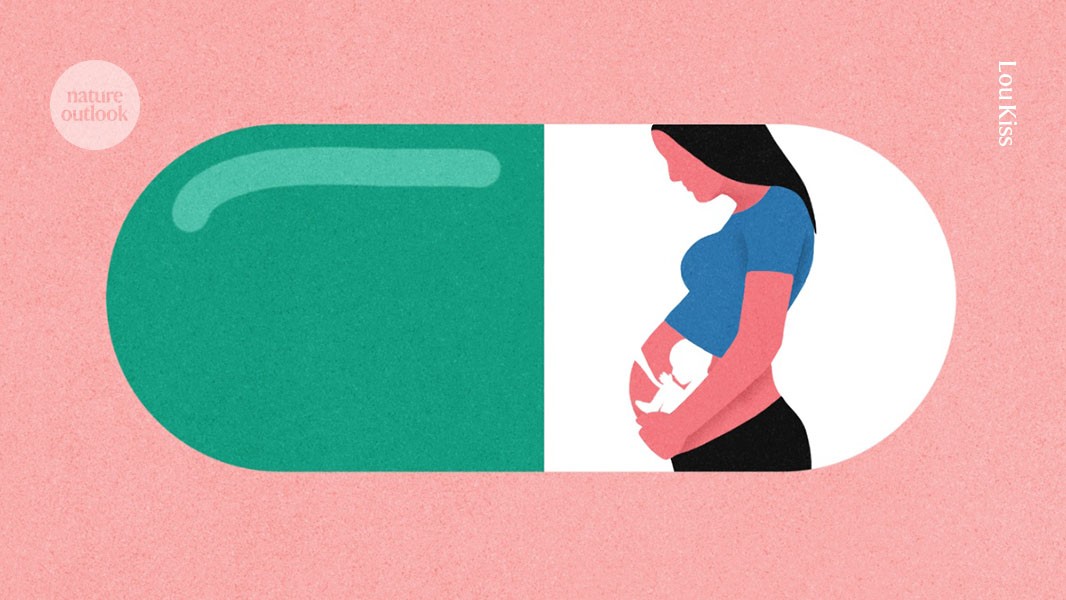
3 months agoADHD Medications Work Differently Than Previously Thought
Attention-deficit-hyperactivity disorder (ADHD) includes a mix of ongoing challenges, such as having difficulty paying attention, hyperactivity, and impulsivity. In the U.S., ADHD afflicts an estimated 7 million children, ages 3 to 17. According to one study, among American children, the prevalence of this diagnosis rose from 6.1 percent in 1997-1998 to 10.2 percent in 2015-2016.[1] Children with ADHD often struggle with low self-esteem, have troubled relationships, and demonstrate poor school performance. Symptom severity and frequency may lessen with age, and while some people never completely "outgrow" their ADHD symptoms, they can develop ways to live with them successfully.
Mental health


[ Load more ]