#neurodiversity
#neurodiversity
[ follow ]
#autism #adhd #mental-health #inclusion #accessibility #vocational-training #education #leadership #personal-growth

UX design
fromdesignboom | architecture & design magazine
2 weeks agobad posture becomes design logic in mara bragagnolo's birch plywood chair collection
Mara Bragagnolo's Bad Posture Chairs accommodate non-conforming postures, challenging traditional design norms that prioritize a single way of sitting.
fromOregon ArtsWatch * Arts & Culture News
3 weeks agoEileen Garvin has written a honey of a novel in 'Bumblebee Season' * Oregon ArtsWatch
Jake Stevenson, the paraplegic youth, has a unique connection with bees, particularly the queen bees, which he can hear emitting a specific tone known as G-sharp.
Books
#adhd
Mental health
fromPsychology Today
1 month agoThe Late-Diagnosed Mind: ADHD and Autism in Adults
Undiagnosed ADHD and autism in adults lead to significant psychological costs, including high rates of anxiety and depression.
Mental health
fromPsychology Today
1 month agoWith ADHD, Work Can Feel Like 'Having Your Hands Tied'
Supportive leadership and flexible work environments enhance creativity and well-being for adults with ADHD in the workplace.
Mental health
fromIndependent
1 month agoAsking for a friend: 'My son has just been diagnosed with autism and ADHD. My husband also got tested and has ADHD. How will all this affect our relationship?'
Navigating the challenges of neurodiversity in a family can be overwhelming, especially with multiple diagnoses affecting communication and relationships.

#artificial-intelligence

Higher education
fromFortune
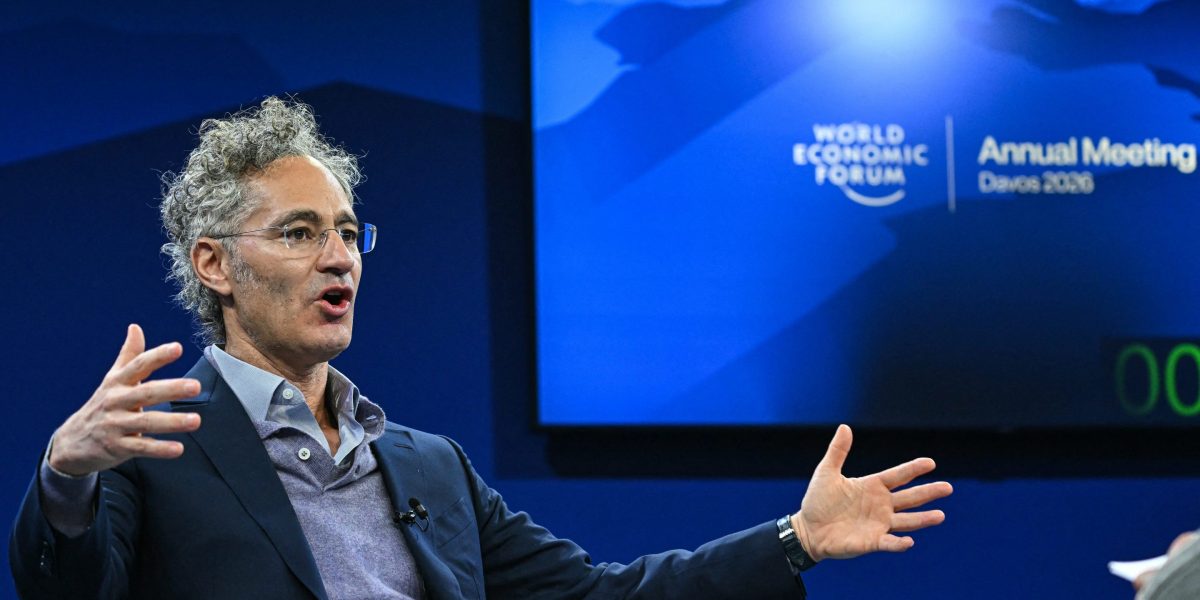
1 month agoPalantir CEO says AI 'will destroy' humanities jobs, but there will be 'more than enough jobs' for people with vocational training | Fortune
Critical thinking and creativity will be essential in the AI era, while liberal arts degrees may struggle in the job market.
#stephen-fry
Television
fromPinkNews | Latest lesbian, gay, bi and trans news | LGBTQ+ news
1 month agoStephen Fry Reveals 'Eye-Watering' Question on ITV Interview
Stephen Fry felt embarrassed by unexpected questions about his sexual preferences while filming ITV's The Assembly, which features a no-filter interview format.
Social media marketing
fromBuffer: All-you-need social media toolkit for small businesses
1 month agoYes, You Can Create Content: A Neurodivergent's Guide to Getting Started
Developing a personalized system for content creation can help neurodivergent individuals maintain consistency and overcome challenges associated with ADHD and autism.
Humor
fromwww.theguardian.com
1 month agoShaun Ryder on highs, lows and Happy Mondays: Heroin isn't a party drug you can't just do it at the weekend'
Shaun Ryder's memoir reveals how neurodiversity connected Happy Mondays members, with the band's chaotic energy defining an era through magnetic excess and authenticity.
Mental health
fromwww.theguardian.com
2 months agoHow ADHD diagnosis helped my mental health | Letters
ADHD and autism are neurodevelopmental conditions with distinct neurological differences, not spectrum traits everyone possesses; diagnosis provides crucial self-understanding and validation rather than limiting labels.
fromFast Company
2 months ago'The Pitt' nailed one of TV's best representations of autism in the workplace. How they got doctor Mel King's character right
From the get-go, Ross says, The Pitt's writers "were very serious about not portraying a stereotypical situation" regarding autism. "That was in the original request that was posed to me," she says. Her advice eventually helped shape fan-favorite character Dr. Mel King (played by Taylor Dearden), a bright-eyed resident new to the ER in the show's first season.
Television
fromFast Company
2 months agoWhy the ADHD brain is a perfect pairing for AI
In 2013, when Meredith O'Connor was 16, the music video for her debut single "Celebrity" went viral. Afterward, she channeled her own stardom into championing childhood mental health: As a hyperactive kid, O'Connor says she was often the subject of bullying, and when her music career gave her a platform, she was eager to use it to advocate on behalf of other victims. "I knew my fan base was younger, but I didn't know how many people would resonate with mental health challenges," she says. "I realized there were millions of gifted people that are being marginalized, and that's when I really wanted to start the mental health study."
Mental health
Parenting
fromBuzzFeed
2 months ago17 Women Who Believed Motherhood Was Their Destiny Are Revealing The Truth About Having Kids
Feeling called to motherhood does not guarantee parenting will suit personal capacities; many mothers face unexpected difficulty, mental-health strain, and work–family tensions.
Mental health
fromwww.theguardian.com
2 months agoWhen it comes to mental health labels, we need to tread lightly | Letters
Social inequality and hardship drive much mental ill-being; cautious, neurodiversity-informed therapeutic approaches and careful use of diagnostic labels can aid mentalisation and prevention.

fromwww.theguardian.com
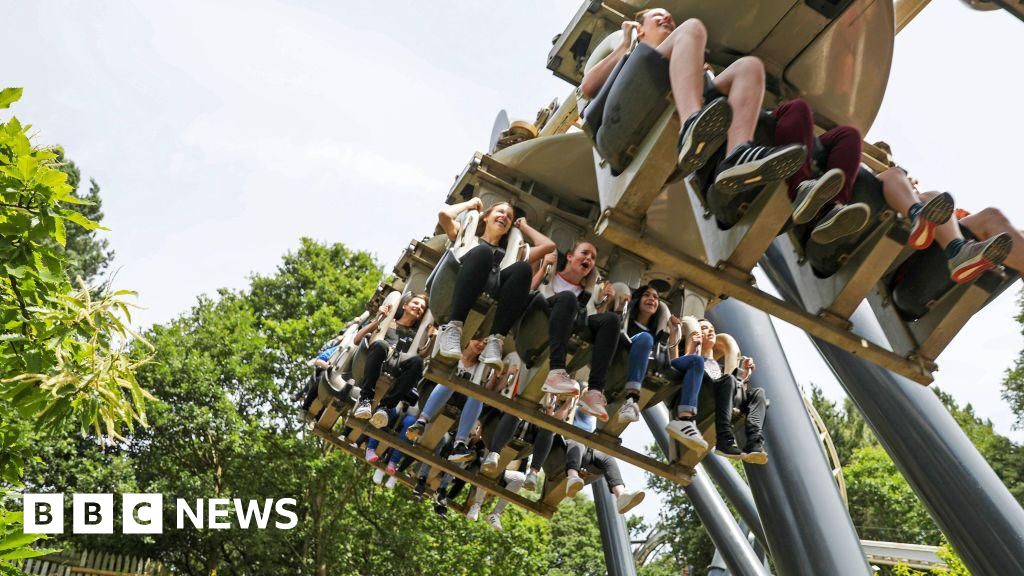
3 months agoEnglish secondary schools must offer inclusion areas for neurodiverse and Send pupils
Universal inclusion bases are spaces away from classrooms where children with additional needs can get support for some lessons. They are seen as a key part of government plans to overhaul special educational needs and disabilities (Send) support. Ministers have been frantically promoting a vision of a more inclusive education system, ahead of the publication of a landmark schools white paper, widely seen as the most high-stakes policy reform the government has attempted since the welfare rebellion last year.
UK politics
fromPsychology Today
3 months agoPeople With Mental Illness Are Too Easily 'Othered'
Anyone who is under psychiatric care, or loves someone who is, may want to read the book The Devil's Castle: Nazi Eugenics, Euthanasia, and How Psychiatry's Troubled History Reverberates Today, by Susanne Paola Antonetta. If you care about history, particularly the history of eugenics, you may be interested as well. The book may offer us more respect for the mind, for consciousness, and its diversity.
Psychology
fromTime Out New York
3 months agoNYC's most inclusive arts festival returns this spring
From April 10-26, the Big Umbrella Festival returns with nearly three weeks of free and pay-what-you-can performances, workshops and installations, all tailored for neurodivergent audiences. Big Umbrella, which launched in 2018, was the first large-scale performing arts festival of its kind and it's only grown more ambitious since. This year's edition spans dance, theater, comedy, music, visual art and outdoor installations, welcoming kids, adults, families and first-time arts-goers into spaces designed to be flexible, relaxed and judgment-free.
Arts
Mental health
fromFortune
4 months agoAs more workers request accommodations, how should workplaces react? | Fortune
Many colleges provide accommodations for neurodevelopmental and mental health conditions, but workplaces vary; some companies adapt hiring and workplace practices for neurodivergent employees.
fromBusiness Insider
4 months agoI'm 48 and starting my own business because I'm concerned that companies see me as 'too senior' to work in tech
At the start of this year, I went back to contracting, and then I learned I had prostate cancer. It was stage one, and I was on active monitoring for six months. I did some more contracting up until July, when I was told I needed to have treatment. So, I had treatment, and all the signs were good. In August, I thought, 'OK, I can start looking to go back to work.'
Mental health
fromFortune
4 months agoJeff Bezos and Lauren Sanchez Bezos donate $5 million to neurodivergent education leader | Fortune
"I feel like there's a narrative sometimes that our little actions don't matter," Neurodiversity Alliance CEO David Flink said. "That's just not true. And this proves it. Lots of little actions that happen every day in our work, collectively over time, reached the ears of folks like Lauren and Jeff."
Non-profit organizations
Social justice
fromwww.mercurynews.com
4 months agoShare the Spirit: Nonprofit offers enrichment for the neurodivergent
A Lafayette-based Social Connection program helps neurodivergent adults build life skills, social connections, and employment readiness through inclusive education and community support.
Non-profit organizations
fromThe Mercury News
4 months agoShare the Spirit: Nonprofit offers enrichment for the neurodivergent
Social Connection empowers neurodivergent adults with life, job, and technical skills through inclusive programs fostering independence, creativity, and income-generating opportunities.

Video games
fromPinkNews | Latest lesbian, gay, bi and trans news | LGBTQ+ news
5 months agoJennifer English thanks 'beautiful girlfriend' in emotional Game Awards speech
Jennifer English thanked her girlfriend and celebrated neurodivergent people while winning Best Performance for voicing Maelle in Clair Obscur: Expedition 33.
[ Load more ]