#extreme-dieting
#extreme-dieting
[ follow ]
#weight-loss #nutrition #healthy-eating #protein-intake #ultra-processed-foods #protein #diet #meal-planning #health


fromPsychology Today
1 day agoThe Role of Food in Mental Health and Mental Illness
Research increasingly demonstrates that healthy nutrition improves mental health, and an entirely new subspecialty has formed to support this. Nutritional psychiatry is expanding rapidly, with research growing 15-fold from 2000 to 2024, reflecting the increasing acceptance of diet's role in mental health.
Alternative medicine


#body-image
Wellness
fromenglish.elpais.com
2 weeks agoThe return of extreme thinness disguised as health: They used to tell you you were fat; now they tell you you have inflammation'
Extreme thinness is re-emerging as a beauty ideal, disguised as health and well-being, driven by social media and modern interventions.

Wellness
fromenglish.elpais.com
2 weeks agoThe return of extreme thinness disguised as health: They used to tell you you were fat; now they tell you you have inflammation'
Extreme thinness is re-emerging as a beauty ideal, disguised as health and well-being, driven by social media and modern interventions.



fromBoston Herald
1 month agoIf you're struggling to lose weight, could chilling your carbs help?
Most of the carbohydrates in these foods - as well as most of the calories - come from starch, of which there are two types: hard-to-digest amylose and easily digested amylopectin. The latter is processed quickly and spikes blood sugar. The former is processed slowly and moderates blood sugar.
Health
Food & drink
fromWIRED
1 month agoFactor Offers High Protein Meal Delivery Options
Factor meal delivery provides convenient, reasonably tasty healthy meals for busy people, with quality proteins and Mexican dishes standing out, though presentation and vegetable quality lag behind home-cooked alternatives.
Health
fromScienceDaily
1 month agoScientists discover diet that tricks the body into burning fat without exercise
Reducing methionine and cysteine amino acids in diet triggers thermogenesis in mice, causing significant weight loss comparable to constant cold exposure without requiring increased exercise or reduced food intake.
fromwww.scientificamerican.com
1 month agoFollowing one of these five diets may be the key to living longer
By following more than 100,000 people in the U.K. for years, researchers found that people whose food choices scored high in any one of five diet categories tended to live longer than people who scored the lowest. Specifically, the team found that even after adjusting for confounding factorssuch as whether people smoked, how much exercise they took and what their education and ethnicity wasstudy participants who tended to eat according to any one of the five diets were 18 to 24 percent less likely to die of any cause. For women, that roughly translated into an extra 1.5 to 2.3 years of life. And for men, it added about 1.9 to three years.
Food & drink

fromAlternative Medicine Magazine
2 months agoThe Personalized Vitamin Routine That Fits Her Life
vyv (pronounced v-eye-v), a new personalized vitamin and supplement brand designed for women ages 20 to 30 who want wellness to feel intuitive, flexible, and easy to keep up with. Think less pressure, fewer bottles, and way more "this actually works for my life." vyv is the younger sister brand to Persona™ Nutrition, designed with a fresh lens for Gen Z/Millennial females juggling packed schedules, shifting hormones, and big goals-without asking them to become supplement experts along the way.
Alternative medicine
fromFast Company
2 months agoThese 5 small shifts in your diet can lower your risk for chronic disease
The Dietary Guidelines for Americans aim to translate the most up-to-date nutrition science into practical advice for the public as well as to guide federal policy for programs such as school lunches. But the newest version of the guidelines, released on Jan. 7, 2026, seems to be spurring more confusion than clarity about what people should be eating. The latest dietary guidelines, published on Jan. 7, 2026, have received mixed reviews from nutrition experts.
Public health
fromPsychology Today
1 month agoIt's Not Just What You Eat, but When You Eat That Matters
Rather than simply extending the fasting window or cutting more calories, the intervention group was simply asked to finish eating at least three hours before their usual bedtime. That meant no snacking while watching TV after dinner and no "just one more bite" at 10 p.m. (my personal downfall). This relatively simple intervention ensured that the overnight fast overlapped with the body's natural sleep-wake rhythm.
Medicine
fromBon Appetit
2 months agoThe Best High-Protein Meal Delivery Services
We are in the midst of a high protein craze. Every week I get dozens of protein-packed pitches to my inbox, and I'm sure you've seen the protein bars plastered all over subway cars, protein-ified menu items at fast-casual chains like Starbucks and Sweetgreen, and protein versions of classic products (protein pasta, protein crackers, protein...yogurt?) lining practically every aisle at the grocery store.
Food & drink
Wellness
fromBusiness Insider
2 months agoA doctor who studies metabolism said new research convinced him to make 3 changes to his routine
Gradual dietary and lifestyle changes—more diverse whole foods and fermented foods, strength training, better sleep, and reduced stress—support metabolic health and fat loss.
Health
fromSilicon Canals
2 months agoDietitians explain why eating the same breakfast daily might be sabotaging your metabolism - Silicon Canals
Eating the same breakfast daily can reduce metabolic efficiency, cause nutrient gaps, increase early hunger and weight plateaus; adding variety supports metabolism and sustained energy.
fromIndependent
2 months agoBargain hunter: 11 wellness deals to save you money on workouts, supplements and gadgets
January might be coming to a close, but the focus on wellness doesn't have to die with it. If anything, it's a good time to check in with those 2026 goals and see what you want to prioritise for the rest of the year. To that end, we've gathered some of the best deals we've seen in the past few weeks that will help you tick off every good intention you set this month.
Wellness
fromArs Technica
2 months agoA weird, itchy rash is linked to the keto diet-but no one knows why
There are also clear downsides to the diet. Ketones are acidic, and if they build up too much in the blood, they can be toxic, causing ketoacidosis. This is a particular concern for people with type 1 diabetes and for people with chronic alcohol abuse. For everyone else, there's a list of common side effects, including nausea, vomiting, constipation, diarrhea, bad breath, headache, fatigue, and dizziness. Ketogenic diets are also linked to high cholesterol and kidney stones.
Medicine
fromArs Technica
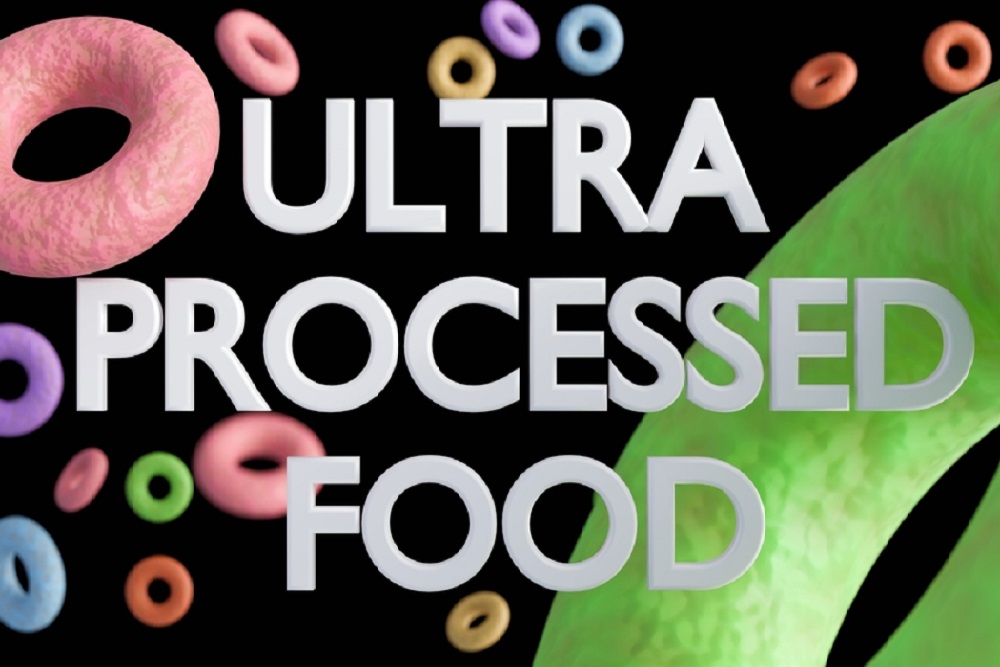
2 months agoAvoiding ultraprocessed foods supports healthier aging
We compared how participants fared while eating their habitual diets with how they responded to the two diets that were low in ultraprocessed foods. During the periods when participants ate fewer ultraprocessed foods, they naturally consumed fewer calories and lost weight, including total and abdominal body fat. Beyond weight loss, they also showed meaningful improvements in insulin sensitivity, healthier cholesterol levels, fewer signs of inflammation, and favorable changes in hormones that help regulate appetite and metabolism.
Food & drink
fromBusiness Insider
2 months agoA busy dietitian shares what she eats for good gut health
Rachel Swanson, a registered dietitian at LifeSpan Medicine and author of "Trying!: A Science-Backed Plan to Optimize Your Fertility," splits her time between New York City and Miami, spending about half the year in each. She also takes small-group workout classes three times a week, focusing on strength training. She says eating enough nutrients, especially protein for muscle-building, is crucial for her. She generally aims for around 0.7 grams of protein per pound of body weight, the protein intake usually recommended for physically active people.
Food & drink
fromBusiness Insider
2 months agoHow to lose fat while maintaining muscle, according to the personal trainers of celebrities and business execs
When we say we want to lose weight, we typically mean shedding fat but not muscle. Muscle helps us to look "toned" and supports our metabolism. To lose fat without losing muscle, eat enough protein and strength train regularly, two top trainers said. If you want to lose fat without losing muscle, there are three things you need to know.
Health
[ Load more ]