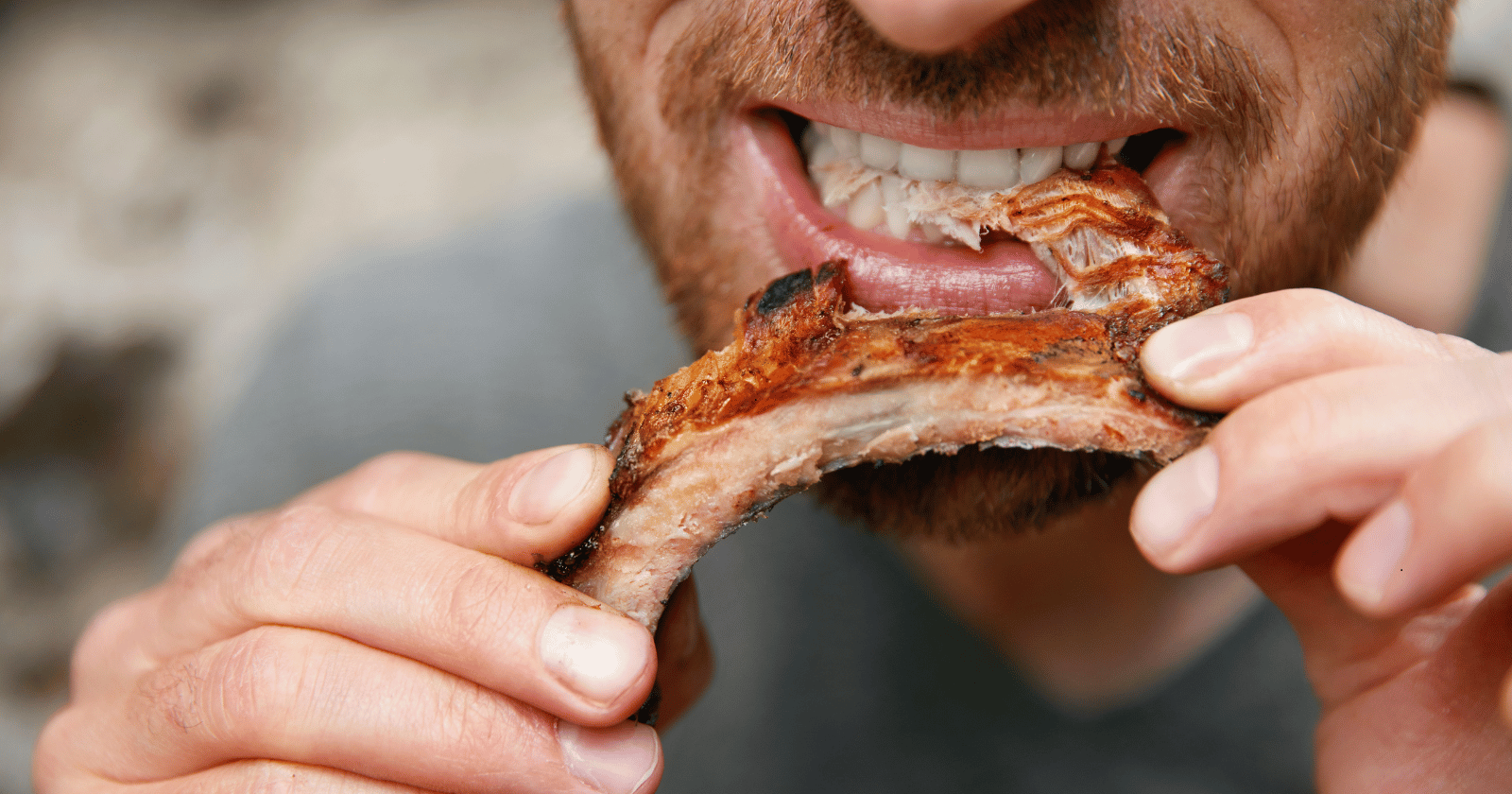
Like nearly everyone with misophonia, my young adult son avoids sights and sounds that trigger reactions. He removes himself or keeps away. These strategies appear universal. For example, someone triggered by chewing might avoid both a movie theater and a buffet. Avoidance is extremely effective. No trigger, no reaction, no problem. Coping costs no money. People consult neither doctor nor Tarot deck for this informal strategy. Avoidance is ubiquitous in misophonia.
For these individuals, extreme emotional distress, panic, anger, frustration, and even disgust have been noted (Brout, 2018). Misophonia is a neurophysiological condition in which the amygdala becomes activated by sounds that should not be alarming or dangerous (Kumar, 2017). The context of triggers-such as whether or not something is rude, offensive, or otherwise disgusting can affect the emotional aftermath of a trigger, but it does not change the aversive fight-flight-freeze response.
Misophonia is an intricate condition characterized by an intense emotional and physiological fight-flight-freeze response to specific auditory or visual triggers. Crucially, it is understood as a primary neurophysiological disorder, not a phobia or a fear-based condition, a distinction that fundamentally dictates the appropriate therapeutic approach. Treatment must therefore focus on surrounding the moment of distress and adapting to the complex emotions and behaviors that arise, rather than targeting the trigger itself.
Suicide is a topic that is often challenging to mention for those struggling with these thoughts, their families, and those around them. Misophonia is likely a neurophysiological condition that causes significant distress from otherwise normal auditory stimuli such as chewing, snapping, sneezing, and more (Brout, 2018). Distress is a major component of misophonia, and it may not be shocking to some that misophonia has been linked to self-harm and suicidal ideation (Edelstein, 2013; Alekri, 2019). Despite this link, misophonia suicide awareness is rarely a detailed topic of conversation in social media and peer support communities.
Looking back, I can see my childhood behavior as a reflection of misophonia, a disorder that triggers extreme reactions to specific sounds or actions around us.