#stigma
#stigma
[ follow ]
#mental-health #autism #hiv #adhd #schizophrenia #addiction #neurodiversity #parenting #suicide-prevention #awareness














Independent films
fromFilmmaker Magazine
1 month ago"Absolutely Not a Genre Film": Julia Ducournau in Conversation with Robert Eggers on Alpha
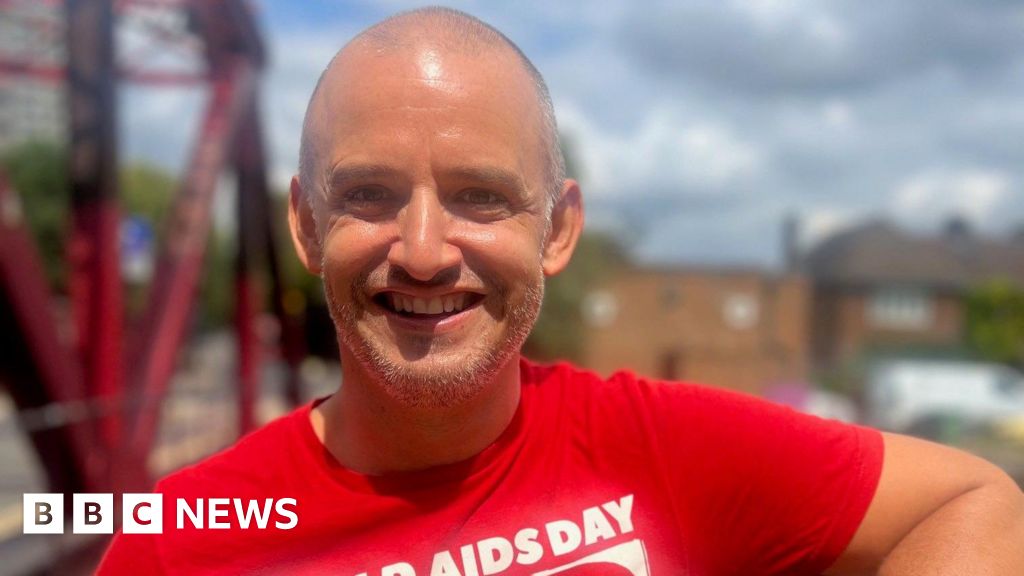
Julia Ducournau's latest film is a grounded family drama exploring themes of transformation and stigma during a viral outbreak reminiscent of the AIDS epidemic.




fromwww.theguardian.com
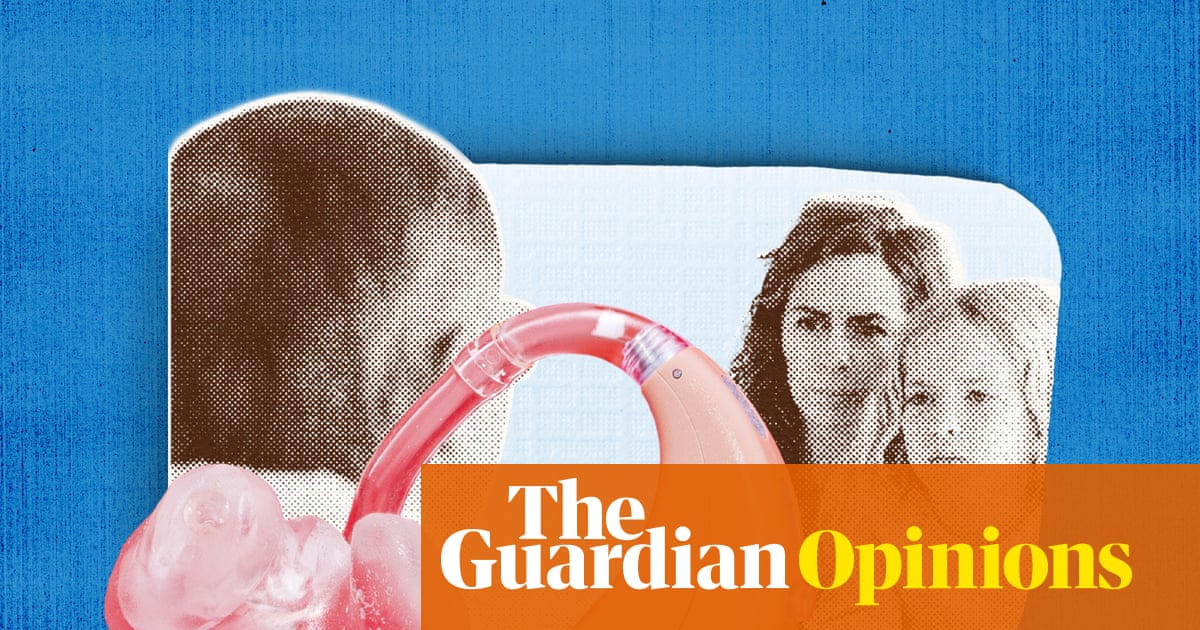
3 months agoThey're taught that showing feelings is shameful': eight reasons men don't go to therapy and why they should
Jake's marriage to Louise is in trouble, and she has insisted he come and see me. If not for Louise, you wouldn't be here, would you? I enquire tentatively. He looks sheepish at first; then emboldened, he gives an emphatic No. As is almost always the case, Jake's wife has registered a problem that has passed him by, and prompted his visit.
Mental health
Mental health
fromInside Higher Ed | Higher Education News, Events and Jobs
3 months agoStudents Trust Mental Health Services-but Few Use Them
Most college students trust campus counseling but largely avoid using on-campus mental health services due to stigma, accessibility limits, and preference for off-campus care.
fromPsychology Today
3 months agoWhy UAP Disclosure Challenges Mental Health Ethics
If you saw something in the sky that you genuinely could not explain-something now officially categorized as an unidentified anomalous phenomena, or UAP-would you tell your therapist or psychiatrist? For many people, the honest answer is no. Not because they doubt their own perception, but because they worry about what might happen next. They fear being seen as unstable, having the experience reframed as a symptom, or having it documented in a way that could affect future care, employment, or credibility.


fromFast Company
3 months agoHow Reddit, TikTok, and AI are changing the game for substance use researchers
In the past, researchers studying peoples' experiences with addiction relied mostly on clinical observations and self-reported surveys. But only about 5% of people diagnosed with a substance use disorder seek formal treatment. They are only a small sliver of the population who have a substance use disorder-and until recently, there has been no straightforward way to capture the experiences of the other 95%.
Public health
fromwww.theguardian.com
5 months agoPapua New Guinea grapples with HIV epidemic as it battles stigma and US aid cuts
After battling illness for years, Nancy Karipa tested positive for HIV in 1999. She had just given birth to her first child. It was a crossroads moment for me, with the fear of denial, but I chose action, Karipa, who is now in her 50s, said at an Aids awareness event in Papua New Guinea's capital Port Moresby in December. She and the baby received treatment, and her child remains healthy.
Public health
fromPsychology Today
5 months agoThe Mental Illness Recovery Paradox
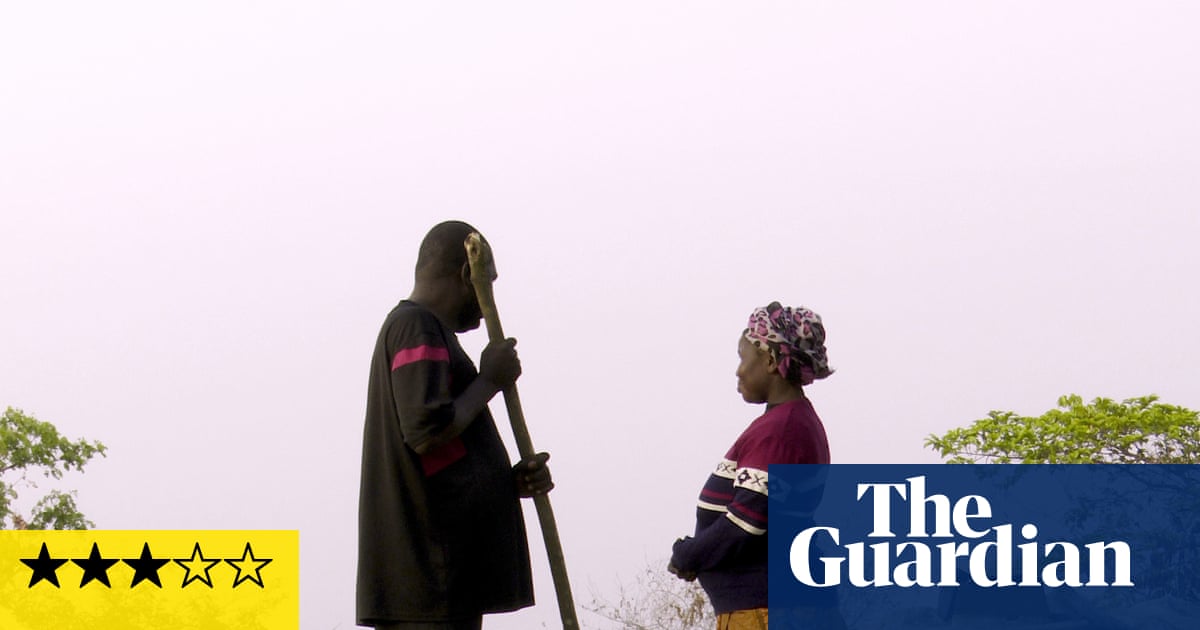
Most people think the hardest part of a mental health crisis is the illness itself. In my case that would entail the acute experience of psychotic depression. And it is often true that acute mental ill health is extraordinarily disorienting and frightening. I wouldn't wish my previous symptoms of psychotic depression on anyone and they have been the hardest experience of my life.
Mental health



Mental health
fromBusiness Insider
6 months agoI never thought my family would need SNAP benefits. Then, my husband was laid off just after I had our third kid.
A family exhausted savings after job loss postpartum, relied on SNAP benefits while facing stigma and emotional strain in grocery interactions.
Mental health
fromwww.theguardian.com
6 months agoHeard the one about the three vicars who went to the cinema and were taught a lesson in tolerance? | Ravi Holy
Depicting Tourette syndrome blends comedic moments with respectful awareness, and real-life tics in public spaces can disrupt events and challenge accommodation practices.



Social justice
fromwww.independent.co.uk
8 months agoIPP prisoners are dogged by stigma and set up to fail' on release, report warns
Released long-term prisoners face stigma, lack digital skills and basic essentials, and risk recall, leaving them ill-equipped to rebuild housing, employment and social ties.
fromPsychology Today
8 months agoThe Risks of Labeling Brain Injury
In the 1980s, one of my psychology professors at the University of Toronto advocated against using labels for psychological or psychiatric diagnoses. "Why not?" I questioned. "How else will we know what illness they have? Labels being bad sounds like psychological mumbo jumbo." By the end of that school year, I understood how labels stigmatize and limit recovery. Humans use labels to distinguish between themselves and those not like them.
Mental health
Social justice
fromPinkNews | Latest lesbian, gay, bi and trans news | LGBTQ+ news
8 months agoGareth Thomas was spat on and called an 'AIDS spreader'
Gareth Thomas shared personal experiences of abuse and stigma following his HIV positive revelation, promoting resilience and understanding in the face of discrimination.
Social justice
fromIndependent
9 months agoCiara Kelly: The softer society is on drugs, the more mainstream they become. We should be debating the merits of liberal attitudes
Compassion and acceptance of drug addiction have increased over the past 25 years, with reduced stigma and improved understanding.
[ Load more ]