Mindfulness
fromEntrepreneur
1 day agoThe 1 Skill Leaders Need Most in an Age of Constant Change
Understanding and regulating one's own mind is a key competitive edge in a rapidly changing world influenced by AI and information overload.
Ever walked into a room and instantly felt the tension, even though no one said a word? Or found yourself inexplicably exhausted after spending time with certain people? I used to think I was just overly sensitive. After getting my psychology degree, I'd find myself completely drained after social gatherings, carrying emotions that didn't even feel like mine. It wasn't until I dove deeper into Eastern philosophy and mindfulness practices that I realized something profound: I was absorbing other people's emotions like a sponge.
"Piano piano" is an old Italian saying that sounds nonsensical, but is actually full of wisdom, especially if you, like me, are finding yourself wishing away these frigid winter days and hoping spring and summer gets here fast. These days, I've found myself rushing from one thing to the next, frustrated at the smallest things, from post office lines to just missing my train. And I'm ready to make a change.
On a cool, rainy afternoon in the wilds of Laikipia, Kenya, I am lying in savasana, or corpse pose, beside a log fire in the pool house of Enasoit Camp. The teacher, Laura Bunting, gently intones a yoga nidra to our small, all-female group, during which I slip in and out of a hypnotic half-light state, only vaguely aware of the sound of rain on the thatched roof and the percussive efforts of a nearby woodpecker.
A simple mindful practice that can slow down emotional reaction, invite a breath, and encourage you to pause before you post. Social media has made it easy to broadcast our thoughts and feelings far and wide in an instant. At the same time, we often don't even consider the huge numbers of people who will read what we share. How many friends do you have across your socials? 300 to 400? 500 plus? How often do you really pause before you post?
There is a particular form of blindness that afflicts the fortunate-a blindness to the quiet miracles of ordinary existence. We walk through our days surrounded by what a patient once called "unexperienced happiness," moving through gifts we no longer recognize as gifts, breathing blessings we've forgotten are blessings. It often takes a brush with loss to restore our sight. This is a meditation that can perhaps grant us more mindfulness than hundreds of seminars. It's about the obvious that we sometimes simply no longer see.
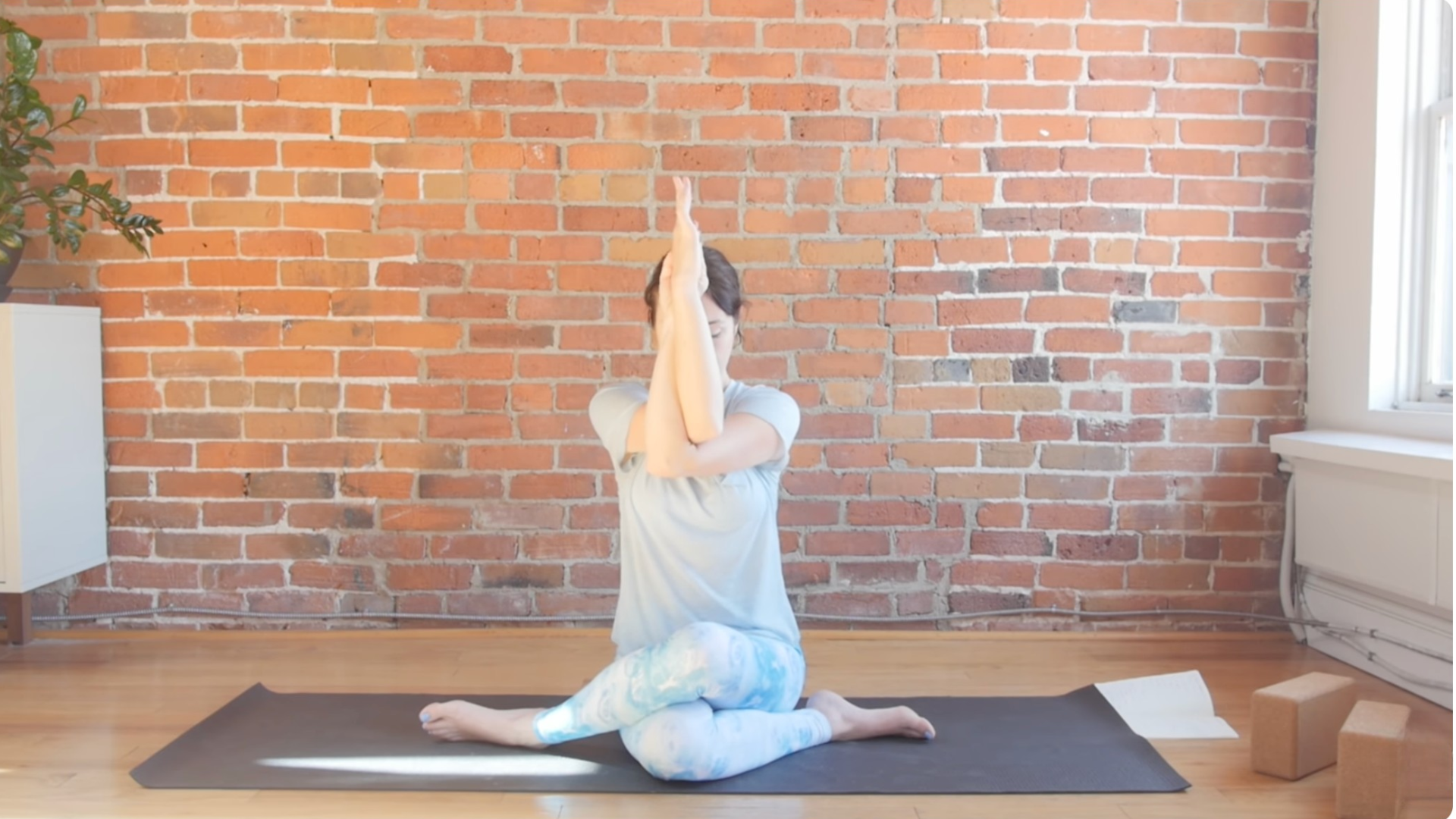
Turning on a yoga practice on YouTube was my method of choice for slowing down. I quickly scrolled through the overwhelming number of options for "slow" and "gentle" yoga practices, a task which was almost enough to dissuade me from taking a break. "I can rest later," I thought. But I knew better. Later usually turns into late at night which turns into tomorrow which easily turns into never.
The monks are part of a 2,300-mile pilgrimage for peace from a Buddhist temple in Fort Worth, Texas, across nine states to Washington DC. Dressed in vibrant orange robes, they have walked about 20 miles daily, eating one meal a day and practicing loving-kindness a form of mindfulness that can be thought of as a form of non-violent resistance. Their journey is a slow-moving meditation meant to embody peace, rather than argue for it.
You feel an unpleasant sensation - like a sinking feeling of anxiety in your stomach as the game begins, and you think, "I'm anxious. Here we go again. I'm about to blow it." You feel your pain increasing, and the thoughts churn: "Great. I'll probably miss a whole week of work." Imagined catastrophes fill your mind. Manage these thoughts with the 3 C's: Catch it, Check it, and Change it.
When Michael Pollan traveled to a cave in New Mexico to try to understand consciousness, he learned what good meditation is really made of. "The recipe was simpler (and much less appetizing) than I would have imagined," he writes: " To transcend the self, force yourself to be alone with it long enough to get so bored and exhausted that you are happy to let it go. "
After studying psychology and spending years observing human behavior, I've realized something profound: Exceptional emotional strength is about developing the capacity to sit with yourself, especially when things get tough. The fascinating thing is that psychology has identified specific behaviors that indicate this rare form of resilience. These are simple actions that, when done alone, reveal a depth of emotional maturity most people never develop.
I've been thinking about this a lot lately, especially after watching my wife's Vietnamese grandmother at a recent family gathering. At 82, she moves through life with this remarkable lightness, even though she's lived through more hardship than I can imagine. She doesn't speak much English, but her presence speaks volumes. What makes someone age into that kind of person? The one who glows from within, who seems genuinely content, who younger people naturally gravitate toward?
Instead, they practice something called "friluftsliv" - literally "free air life" - and in February, when winter feels endless, this practice becomes almost sacred. It's their secret weapon against the darkness, and after trying it myself during a particularly rough winter, I can tell you it works better than any supplement I've ever taken. The word itself sounds complicated, but friluftsliv is beautifully simple. It means spending time outdoors, regardless of weather conditions. Not despite the cold and darkness, but because of it.
Remaining present in the modern world includes noticing the good. We're not talking toxic positivity here. We're referring to a simple commitment to also noticing what's good in the world even as you navigate what's not. Whether you find these reminders burrowed in a news story, the feeling of being on your mat or out on a run, or the eyes of a loved one doesn't matter. Noticing them does.
Why would you do that? It's a way to remove distraction, calm your nervous system and practise mindfulness. And get clean. Yes, you also get clean. But this is more about finding those small, intentional moments that release you from the cares of your day. It sounds like an accident waiting to happen. You don't have to shower in complete darkness just in dim light, even by candlelight.
Last week, I tried to watch a movie without doing anything else. Just watching. No phone, no laptop, no second screen. I made it exactly 12 minutes before my hand started twitching toward my pocket like some kind of digital zombie. And that's when it hit me. This isn't about being lazy or unmotivated. This constant restlessness, this inability to truly relax, it's something else entirely.
We've become professional overthinkers, analyzing every interaction, second-guessing our decisions, and living everywhere except right here, right now. The constant mental chatter is exhausting. Trust me, as someone who once spent an entire weekend mentally rewriting a two-sentence email I'd already sent, I get it. But here's what I've learned: staying present isn't about emptying your mind or achieving some zen-like state of perpetual calm.
I had no idea what to practice, when to practice, or for how long. As a result, my practice lacked structure, variety, and inspiration. Then, I discovered an online yoga & meditation platform rooted in Himalayan wisdom. It wasn't just about movement; it was about building a relationship with myself. I started with 15 minutes a day. That was it. Sometimes, just breathwork. Other times, meditation. And occasionally, a full-body kriya that left me buzzing with energy.
Anger is a deeply human emotion that arises frequently in our lives. Often, it serves as a shield, concealing more vulnerable feelings like fear, shame, rejection, and helplessness. Many of us have a challenging relationship with anger. Anger, like other emotions, usually comes with an "action tendency"-a motivation to do something. We experience anger when our needs are unmet, and we want to take action to correct the situation.
Whenever there's a spare minute, your first instinct is to reach for your phone and scroll. But what if you didn't? Experts confirm the benefits of this new take on old ways to pass time
Ever wonder why some people seem to stay mentally sharp well into their 70s and 80s while others start struggling with brain fog in their 60s? According to research from Harvard Medical School, the difference often comes down to daily habits-and here's the kicker: even small changes made after 60 can significantly improve cognitive function and protect against decline. The brain is remarkably adaptable at any age.
"Oh, you know me; I'm a perfectionist." Many, if not most, of us have either heard someone else say something like that or we've uttered it ourselves. But what does that really mean? What if there's more than one kind of perfectionism, and what kinds of coping techniques might be useful for someone who identifies as a perfectionist? In a recent study, researchers built on prior work by looking at changes in how much people were using mindfulness and self-compassion techniques over a two-week period.